Selling a home comes with a variety of responsibilities, but if your property was built before the 1980s, asbestos might be one of the most serious issues you’ll need to address. Asbestos was once commonly used in insulation, roofing, flooring, and other materials, but it’s now known to pose major health risks when disturbed. For home sellers, asbestos can significantly impact buyer interest, property value, and legal obligations. To sell successfully and safely, it’s essential to understand the proper steps for managing asbestos. With the right approach, you can mitigate risks and position your home competitively in the market.
Understand Where Asbestos May Be Found
Before listing your home, it’s important to know where asbestos may exist within the property. Common areas include insulation around pipes, attic insulation, floor tiles, ceiling textures, siding, and roofing materials. In most cases, asbestos is not dangerous unless it becomes disturbed and releases fibers into the air. However, buyers may be concerned about potential exposure and future removal costs. Having your home inspected by a certified asbestos professional can identify whether asbestos is present and assess its condition. This knowledge gives you a clear path forward in addressing it responsibly and legally.
Options for Asbestos Removal or Encapsulation
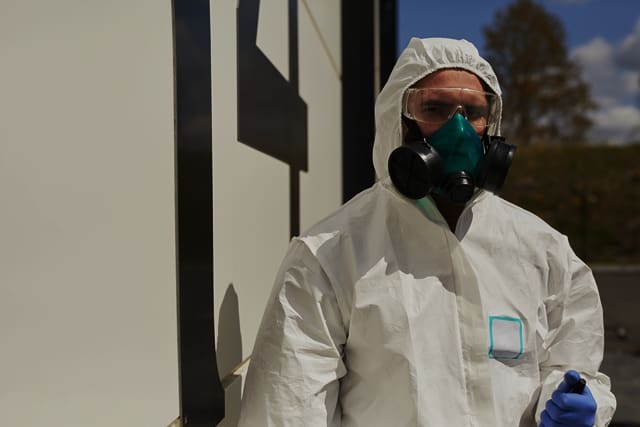
Once asbestos has been identified, sellers have two primary options: removal or encapsulation. Removal involves hiring licensed professionals to safely eliminate all asbestos-containing materials from the home. This method is more expensive but may increase the home’s value and reduce negotiation issues. Encapsulation, on the other hand, seals asbestos in place to prevent exposure, and can be a more budget-friendly option. Regardless of the method, always work with certified asbestos abatement contractors to ensure safety and compliance with local laws. Investing in proper remediation can reassure buyers and speed up the selling process.
How a Real Estate Agent Can Help
Hiring an experienced real estate agent is invaluable when navigating a sale that involves asbestos. Agents understand the legal implications, market expectations, and disclosure requirements related to asbestos. They can recommend reliable inspectors and abatement professionals, help you interpret the inspection results, and determine the best strategy to position your home. Additionally, a knowledgeable agent can craft your listing language to acknowledge the issue without scaring away potential buyers. With their expertise, agents can turn what seems like a liability into a manageable part of your home’s sales narrative.
Legal Disclosure Requirements

When selling a home with asbestos, full disclosure is not just good practice—it’s often a legal requirement. Many states mandate that sellers inform buyers if they are aware of asbestos-containing materials on the property. Failing to disclose known asbestos can result in legal action after the sale is complete. Including this information in your seller disclosure form not only ensures compliance but also builds trust with potential buyers. Transparency can actually reduce buyer hesitation, especially if they see you’ve taken steps to assess and manage the risk properly.
Communicating with Potential Buyers
Honesty and clarity are key when discussing asbestos with potential buyers. Be prepared to present documentation from inspections and any remediation work that’s been completed. Buyers will appreciate your transparency and may feel more confident moving forward with the transaction. Consider offering to split the cost of remediation or reducing the asking price to reflect the presence of asbestos. Having a clear, professional plan in place demonstrates your commitment to safety and compliance. This proactive approach often makes the difference between a failed sale and a successful closing.
Conclusion
Handling asbestos when selling your home doesn’t have to be overwhelming if you take the right steps early. From identifying the presence of asbestos to navigating disclosure laws and hiring certified professionals, you can protect your investment while being transparent with buyers. A knowledgeable real estate agent will further streamline the process, helping you market the property responsibly and reach the closing table with confidence. By managing asbestos properly, you not only reduce legal risks—you enhance the appeal of your home in a competitive market.
#AsbestosSafety #HomeSellingTips #RealEstateAdvice #HomeInspection #PropertyDisclosure #AsbestosRemoval #SellYourHome #RealEstateAgentHelp
Expert Assistance:
To reach out to Richard for expert assistance in the Decatur & Atlanta markets, reach out here.
You can also ask Richard for a copy of his contribution to the best-selling book Top Dollar – by completing the form linked here.