
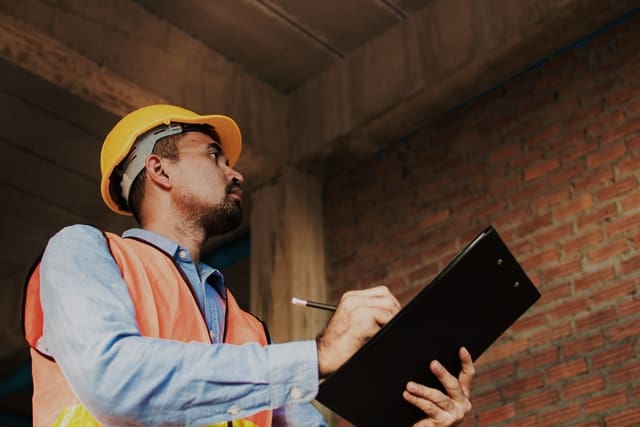
A home inspection is one of the most important steps in the homebuying process, providing a clear understanding of a property’s condition before closing. Buyers who know what to look for can avoid expensive surprises and negotiate repairs or price adjustments. This process goes beyond a simple walk-through; it involves a detailed assessment of structural, mechanical, and safety elements. By arming yourself with inspection knowledge, you can make informed decisions that safeguard your financial and personal investment. Understanding the fundamentals of home inspections will set you on the path to homeownership success.
Structural Integrity and Foundation
One of the first areas to evaluate in a home inspection is the structural integrity, which includes the foundation, framing, and load-bearing walls. Cracks in the foundation, uneven flooring, and sticking doors or windows can be indicators of structural issues. These problems can lead to costly repairs and compromise the safety of the home if not addressed early. Inspectors will look for signs of water intrusion, settlement, or shifting, all of which can weaken the building over time. Identifying these issues before purchase gives you leverage for repairs or renegotiations.
Roofing and Exterior Condition

The roof is a home’s first line of defense against the elements, making its condition a key factor in any inspection. Missing or damaged shingles, signs of leaks, or inadequate drainage systems can result in long-term water damage. The inspector will also assess the gutters, downspouts, siding, and overall exterior for signs of wear and tear. Neglecting roofing issues can lead to mold, rot, and structural deterioration that may cost thousands to repair. A solid roof not only protects the home but also preserves its value for years to come.
Plumbing and Electrical Systems
A thorough inspection will include evaluating the home’s plumbing and electrical systems for safety and functionality. Plumbing inspections look for leaks, water pressure issues, and signs of corrosion in pipes. Electrical evaluations ensure that wiring, outlets, and panels meet current safety codes and can handle the home’s power needs. Faulty systems in either category can present serious safety hazards and costly fixes. Ensuring these systems are in top shape before purchase prevents future headaches and unexpected expenses.
The Benefits of Hiring a Real Estate Agent

Navigating the home inspection process can be overwhelming for buyers, but a skilled real estate agent can make it significantly easier. Agents help coordinate inspections, recommend trusted professionals, and interpret detailed inspection reports. Their experience enables them to spot potential red flags and guide buyers toward the best negotiation strategies. They can also advise on which repairs are essential and which can be delayed, helping you prioritize your investment. With a real estate agent’s expertise, buyers can approach the process with confidence and clarity.
Final Steps and Negotiation After the Inspection
Once the inspection is complete, buyers should carefully review the findings and determine the next course of action. This may include requesting repairs, negotiating a lower purchase price, or even walking away if major issues are uncovered. Having documented inspection results strengthens your position during these negotiations. It’s also wise to budget for potential future repairs that the inspection may have identified as minor but likely to worsen over time. Ultimately, using inspection results strategically ensures that your home purchase is both financially and structurally sound.
Conclusion
A home inspection is a crucial safeguard in the buying process, allowing you to identify problems before they become costly burdens. By focusing on structural integrity, roofing, plumbing, and electrical systems, you can ensure the property meets your safety and comfort standards. Partnering with a knowledgeable real estate agent further enhances your ability to navigate inspection findings and make smart negotiations. A well-conducted inspection not only protects your investment but also gives you peace of mind. With the right preparation, you can approach your home purchase with confidence and security.
#HomeInspection #RealEstateTips #HomeBuying #PropertyInspection #HouseHunting #FirstTimeHomeBuyer #RealEstateAdvice #HomeMaintenance #BuyingAHome
For a copy of our home buying process, please fill out the form on this page. The guide will be emailed immediately.
If you are looking for assistance in the metro Atlanta area, please reach out to us. We would love the opportunity to help you with your home purchase or sale.
If you are in another part of the country, we may be able to refer you to an agent in your market.
