Selling a home is a significant milestone that involves multiple stages, each requiring careful planning and timing. For homeowners looking to list their property, understanding the full timeline from start to finish can alleviate stress and help set realistic expectations. From the initial decision to sell to handing over the keys at closing, every phase plays a crucial role in a successful transaction. With proper guidance, strategic marketing, and professional support, sellers can navigate the process smoothly and achieve a favorable outcome. In this guide, we’ll break down each step of the home selling timeline and highlight the importance of preparation and expert help.
Preparing Your Home for the Market
Before listing your home, preparation is essential to attract serious buyers and maximize your return. Start by decluttering, deep cleaning, and making necessary repairs. Consider small upgrades such as fresh paint, updated fixtures, or improved landscaping to enhance curb appeal. Staging your home can also make a significant difference in how buyers perceive the space. The goal is to present your property in the best possible light to stand out in a competitive market.
The Importance of Hiring a Real Estate Agent

Working with a licensed real estate agent can significantly enhance your selling experience. Agents bring industry knowledge, marketing expertise, and negotiation skills to the table. They handle complex paperwork, coordinate showings, and ensure that deadlines are met throughout the process. An experienced agent acts as your advocate, helping you avoid costly mistakes and guiding you through each stage with confidence. Their network of professionals—from photographers to attorneys—also adds value to your sale.
Setting the Right Listing Price
Determining the correct listing price is a strategic decision that can impact the speed and success of your sale. Overpricing may lead to your home sitting on the market too long, while underpricing could mean leaving money on the table. A comparative market analysis (CMA) conducted by a real estate professional can help you find the sweet spot. This analysis takes into account recent sales of similar properties in your area, market trends, and your home’s unique features. Pricing your home competitively increases the likelihood of multiple offers and a faster closing.
Marketing Your Home Effectively
Once your home is ready and priced, the next step is a strong marketing campaign. This is when having a real estate agent on your side can make a significant difference in how quickly your home can sell. A mix of professional photography, virtual tours, and compelling listing descriptions can help capture buyer attention. In today’s digital world, online exposure is crucial, so your property should be listed on major real estate websites and social media platforms. Open houses and private showings also play a vital role in generating interest. The more visibility your home receives, the greater the chances of attracting qualified buyers quickly.
Reviewing Offers and Negotiating Terms

When offers begin to roll in, it’s important to carefully review each one with your real estate agent. Price is just one factor—pay attention to contingencies, financing terms, and the proposed closing timeline. Your agent can help you compare offers and negotiate the best possible terms. Counteroffers are common and can be used to fine-tune the agreement in your favor. This stage may involve some back-and-forth, but a well-negotiated offer sets the foundation for a smooth closing.
Completing Inspections and Appraisals
After accepting an offer, the buyer typically schedules a home inspection and appraisal. The inspection identifies any issues that may need addressing before closing, while the appraisal ensures the home is worth the agreed-upon price. Sellers should be prepared to negotiate repairs or concessions if problems arise. Your agent can help you respond strategically to inspection results and keep the deal on track. Staying proactive during this stage helps prevent unexpected delays or deal breakers.
Closing the Deal
The final step in the timeline is closing, where all legal documents are signed, and ownership officially transfers to the buyer. Before closing day, ensure all conditions have been met and necessary repairs completed. You’ll also need to review the closing disclosure, which outlines final costs and proceeds. On the day of closing, both parties sign the paperwork, and funds are disbursed accordingly. Once everything is finalized, you hand over the keys, and the sale is complete.
Conclusion
Selling a home from listing to closing is a journey that involves careful planning, expert guidance, and clear communication. By understanding each stage of the timeline, sellers can navigate the process more confidently and make informed decisions. From preparing the property and setting the right price to closing day success, every step contributes to a smooth and rewarding experience. With the help of a skilled real estate agent and a proactive approach, you can achieve a timely and profitable home sale.
#homeforsale #homesellingtips #realestateagent #homesellingtimeline #closingprocess #realestatemarketing #sellyourhome #houseforsale #homeowners

Expert Assistance:
To reach out to Richard for expert assistance in the Decatur & Atlanta markets, reach out here.
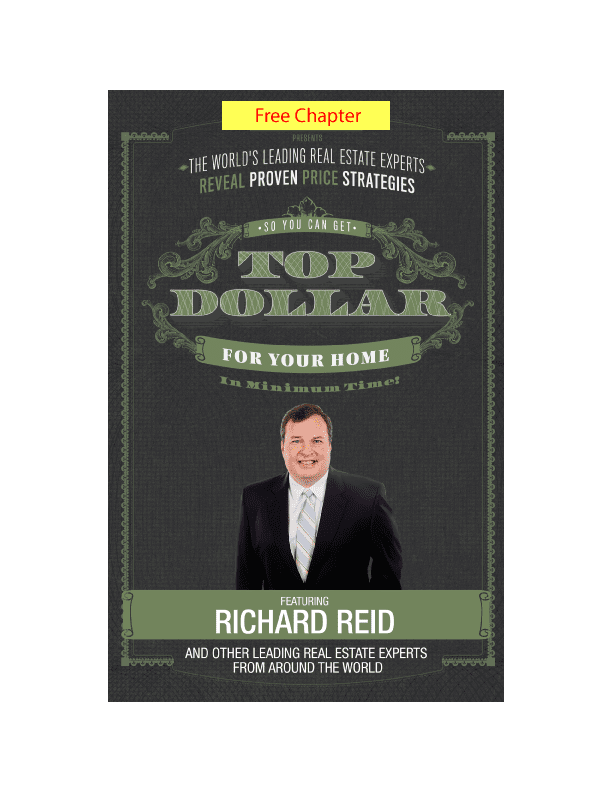
You can also ask Richard for a copy of his contribution to the best-selling book Top Dollar – by completing the form linked here.