

Preparing to sell your home involves more than just listing it on the market. One of the most critical steps is understanding the various inspections that buyers typically require before finalizing a purchase. These inspections can affect the selling timeline, negotiations, and ultimately the final sale price. Knowing what to expect helps you prepare your home in advance, making the process smoother and potentially more profitable. From general home inspections to specialized evaluations, every seller should be informed to avoid surprises during the transaction.
General Home Inspection
A general home inspection is almost always requested by the buyer once an offer has been accepted. This inspection covers the overall condition of the property, including structural elements, roofing, electrical systems, plumbing, HVAC, and more. Any defects found can become negotiation points, potentially affecting the final sale price. Sellers can benefit from having a pre-listing inspection to identify and fix major issues in advance. Addressing concerns proactively helps create transparency and builds buyer confidence, potentially speeding up the closing process.
Pest and Termite Inspection

In many regions, especially those with warmer climates, a pest or termite inspection is standard. This evaluation checks for signs of infestations, wood damage, or conditions that may attract pests, such as moisture or wood-to-ground contact. If termites or other pests are discovered, the buyer may request treatment and repairs before proceeding with the purchase. A clean report can reassure buyers and help avoid last-minute delays. It’s often a good idea for sellers to conduct their own pest inspection before listing and make any necessary corrections ahead of time.
Sewer and Septic Inspection
Buyers purchasing older homes or properties with septic systems often request a sewer scope or septic inspection. These specialized evaluations identify blockages, root intrusion, or failing septic components that could be expensive to repair. Even in homes connected to municipal systems, sewer inspections can reveal significant issues that are otherwise hidden. Sellers who preemptively inspect and address these concerns demonstrate transparency and can reduce the risk of post-inspection negotiations. Including a clean bill of health for the sewer or septic system in your disclosures can be a selling point.
Radon, Mold, and Environmental Inspections
Depending on your location, additional environmental inspections such as radon testing, mold assessments, or asbestos checks may be required. These inspections are especially common in areas with known environmental risks or in homes built before certain safety regulations. Buyers are increasingly cautious about indoor air quality and potential health hazards. Taking care of these tests beforehand and mitigating any issues shows responsibility and can streamline the buyer’s decision-making process. Providing clear and thorough documentation of these inspections adds another layer of trust.
Roof Inspection
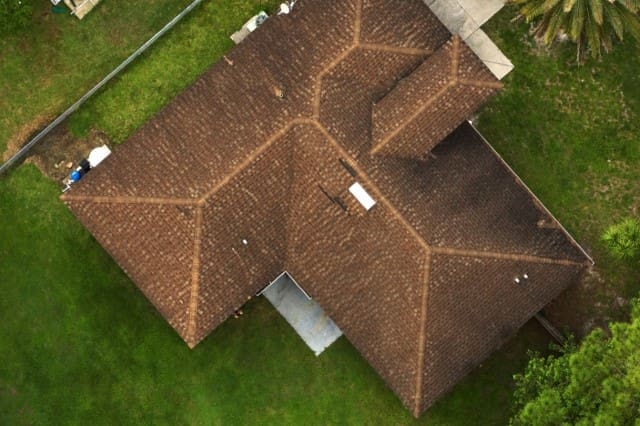
The condition of the roof is a significant concern for most buyers, and a roof inspection may be conducted as part of or separate from the general home inspection. Inspectors will assess the age of the roof, look for missing shingles, leaks, or signs of water damage. A damaged or aging roof can be a dealbreaker for some buyers, or at the very least a costly point of negotiation. Sellers should consider having their roof evaluated and repaired before listing to improve their home’s marketability. Providing documentation of recent repairs or replacements can also be advantageous.
The Value of Hiring a Real Estate Agent
Navigating the inspection process as a seller can be overwhelming without the guidance of a seasoned real estate agent. A knowledgeable agent understands what inspections are standard in your market and can advise you on what to expect, how to prepare, and how to respond to findings. They can also help you coordinate pre-listing inspections, recommend reputable professionals, and negotiate repair requests strategically. Having an agent ensures that you’re not leaving money on the table or overlooking key details. Their expertise can turn potential roadblocks into manageable steps toward closing.
Conclusion
Selling your home successfully means being prepared for every step of the process, especially inspections. By understanding what buyers are looking for—from general condition to environmental safety—you can take proactive measures that enhance your home’s appeal and reduce the risk of surprises. Preparing for inspections doesn’t just benefit the buyer; it positions you as a responsible and trustworthy seller. With the right approach and the support of a professional agent, you can move through the sale with greater confidence and efficiency. A well-prepared home is often the difference between a good sale and a great one.
#homeinspection #homesellingtips #realestatechecklist #roofinspection #termites #prelistinginspection #realestateagent #homesellersguide

For a copy of our home buying process, please fill out the form on this page. The guide will be emailed immediately.
If you are looking for assistance in the metro Atlanta area, please reach out to us. We would love the opportunity to help you with your home purchase or sale.
If you are in another part of the country, we may be able to refer you to an agent in your market.
