
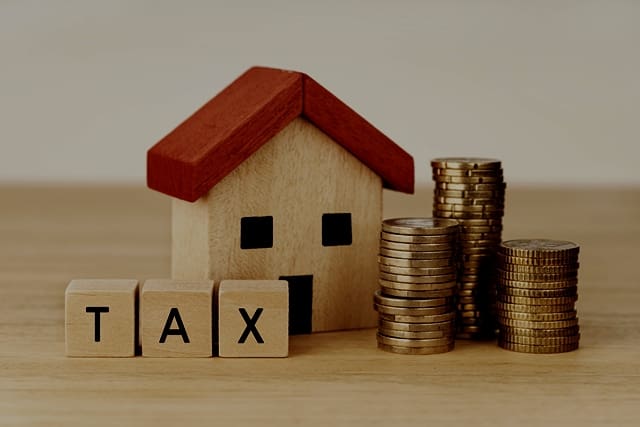
Property taxes play a crucial role in determining how affordable a home truly is for potential buyers. While most people focus on the purchase price and mortgage interest rates, property taxes can significantly affect monthly housing costs. These taxes are based on the assessed value of a property and vary widely depending on location and local government rates. For homeowners, understanding how property taxes contribute to total housing expenses can help in making smarter financial decisions. Buyers who overlook this factor may find themselves facing higher costs than anticipated, impacting their overall affordability.
How Property Taxes Affect Monthly Payments
When calculating home affordability, property taxes directly influence the monthly mortgage payment through escrow. Lenders typically require homeowners to pay property taxes as part of their mortgage, dividing the annual tax amount into manageable monthly installments. Higher tax rates can make an otherwise affordable home financially challenging, while lower rates can create room in the budget for upgrades or larger homes. Because property taxes are tied to local government budgets and services, they often fluctuate over time. For that reason, understanding your area’s tax trends is key to predicting long-term affordability and avoiding financial surprises.
Regional Differences in Property Tax Rates

Property tax rates can vary dramatically across states, counties, and even neighborhoods. For example, homeowners in areas with high-value public services—such as top-rated schools, parks, and infrastructure—often pay higher taxes. In contrast, properties in rural or less developed areas may carry lower rates but fewer local amenities. These variations make location a vital consideration when determining affordability. Prospective buyers should research property tax rates alongside home prices to get a complete financial picture. In many cases, relocating just a few miles can lead to substantial annual savings.
Why Hiring a Real Estate Agent Helps with Property Tax Insights
Hiring a real estate agent is one of the best ways to navigate the complexities of property taxes and home affordability. Experienced agents understand how local tax assessments impact property values and can provide valuable insight into which neighborhoods offer the best balance of cost and quality of life. They can also guide buyers through property tax history, potential reassessments, and how these factors influence mortgage qualifications. A knowledgeable agent helps buyers make more informed decisions and ensures they don’t overextend their budgets. Their expertise can be the difference between a comfortable purchase and unexpected financial strain.
Long-Term Planning and Property Taxes

Considering property taxes in long-term financial planning is essential for sustainable homeownership. As property values rise, tax assessments usually follow, increasing annual tax bills. Homeowners who anticipate these changes can better manage future expenses and avoid being caught off guard by rising costs. Additionally, certain exemptions or deductions—such as homestead exemptions or senior discounts—can reduce the overall tax burden. Planning ahead with the help of a financial advisor or tax professional ensures that property ownership remains both affordable and stable over time.
Conclusion: Balancing Taxes and Home Affordability
Understanding the role of property taxes is fundamental to accurately assessing home affordability. These taxes influence not only monthly payments but also long-term financial health. Homebuyers should evaluate property tax rates, anticipate changes, and work closely with real estate agents to make informed decisions. By considering property taxes early in the buying process, homeowners can maintain a balanced budget and secure lasting financial comfort. Knowledge truly empowers buyers to achieve homeownership with confidence and clarity.
#RealEstateTips #HomeAffordability #PropertyTaxes #HomeBuying #RealEstateAdvice

Richard has extensive experience in all aspects of buying and selling residential property. He has sold more than 400 homes and well over $100 million in residential real estate. There’s no need to guess. Get expert advice that will allow you to buy and sell with confidence and ease.
For neighborhood guides about Decatur and other intown neighborhoods, click here.
To learn more about the value of your home, please complete the form here.
If you are looking to purchase a home, please reach out here. We would love to help you have a wonderful buying experience.
You can always reach us through the Contact Us page here as well.
