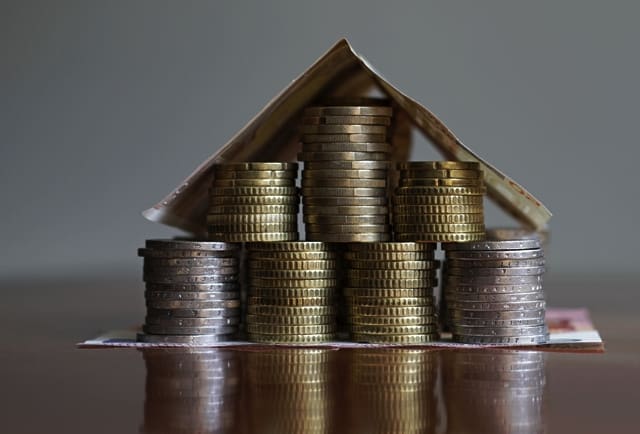
Buying a home comes with more expenses than many buyers expect, especially when it comes to closing costs. These expenses can include lender fees, title insurance, appraisal costs, taxes, and prepaid items that quickly add up to thousands of dollars. For many buyers, asking the seller to help cover some of these costs can make purchasing a home more affordable and financially manageable. However, buyers often wonder whether asking for seller-paid closing costs is appropriate and how much they should realistically request during negotiations. Understanding how seller concessions work can help buyers make informed decisions while improving their chances of securing a successful real estate deal.
What Are Seller-Paid Closing Costs?
Seller-paid closing costs, often called seller concessions, are expenses the seller agrees to pay on behalf of the buyer during the transaction. These concessions can reduce the amount of cash a buyer needs at closing, making homeownership more accessible for first-time buyers and those trying to preserve savings. Typical costs covered by sellers may include loan origination fees, title fees, escrow charges, or even prepaid property taxes and homeowners insurance. The amount sellers are willing to contribute often depends on market conditions, the home’s price, and the strength of the buyer’s offer. In a buyer’s market where homes are sitting longer, sellers may be more open to offering concessions to attract offers and close deals quickly.
Get Professional Assistance
Hiring a real estate agent can make a major difference when negotiating seller-paid closing costs and navigating the home-buying process. Experienced agents understand local market conditions and can advise buyers on whether asking for concessions is realistic in a particular situation. They also help buyers structure competitive offers that protect their financial interests while improving the likelihood of acceptance. Real estate agents can negotiate effectively on behalf of buyers, identify opportunities for savings, and explain loan-specific concession limits that buyers may not fully understand on their own. Having professional representation can reduce stress, streamline negotiations, and help buyers make confident financial decisions throughout the transaction.
How Much Should You Ask For?

The amount buyers should request for seller-paid closing costs depends on their financial situation, loan type, and the local housing market. Many buyers request between 2% and 6% of the home’s purchase price, although loan programs often set limits on seller concessions. Conventional loans may allow lower percentages depending on the down payment amount, while FHA and VA loans may permit higher contributions from sellers. Buyers should carefully estimate their closing expenses and consult their lender before making a request so they ask for an amount that is both realistic and beneficial. Asking for too much in a competitive seller’s market could weaken the offer and reduce the chances of acceptance.
When Asking for Seller Concessions Makes Sense
Requesting seller-paid closing costs can be a smart strategy for buyers who want to maintain emergency savings after purchasing a home. Even financially qualified buyers may prefer to use their cash reserves for moving expenses, furniture, renovations, or unexpected repairs after move-in. Buyers entering the market with smaller down payments may especially benefit from negotiating seller concessions to lower upfront costs. Additionally, if a property has been on the market for an extended period or needs repairs, buyers may have stronger leverage to request closing cost assistance. Understanding the timing and market dynamics can help buyers determine whether asking for concessions is likely to succeed. Your real estate agent will consider all of these factors when crafting the offer.
How Market Conditions Affect Negotiations
The local real estate market plays a major role in whether sellers are willing to contribute toward closing costs. In highly competitive seller’s markets, buyers often compete against multiple offers, making seller concessions less common and harder to negotiate. In slower markets with increased inventory, sellers may be more flexible and willing to cover some costs to keep the transaction moving forward. Interest rates can also influence negotiations because higher rates may reduce buyer affordability and encourage sellers to offer incentives. Buyers who understand current market trends can structure stronger offers that balance purchase price, concessions, and negotiation strategy effectively.
Potential Downsides to Consider
While seller-paid closing costs can benefit buyers, there are some potential drawbacks to keep in mind. Sellers may counter by increasing the purchase price to offset the concessions they agree to provide, which could affect the home’s appraised value and the buyer’s monthly mortgage payment. In competitive markets, requesting concessions may make a buyer’s offer less attractive compared to offers with fewer contingencies or higher cash contributions. Buyers should also remember that seller concessions are subject to lender guidelines and appraisal requirements. Carefully evaluating both the short-term savings and long-term financial impact is important before deciding how much to request.
Conclusion
Asking for seller-paid closing costs can be a valuable strategy for buyers looking to reduce upfront expenses and make homeownership more affordable. The right amount to request depends on the buyer’s financial goals, loan type, and the strength of the local housing market. Buyers who understand negotiation strategies and current market conditions are better prepared to make competitive offers while protecting their finances. Working with a knowledgeable real estate agent can provide valuable guidance throughout the process and improve negotiation outcomes. By approaching seller concessions strategically, buyers can create a smoother and more financially manageable path toward purchasing a home.
#SellerPaidClosingCosts #HomeBuyingTips #RealEstateAdvice #FirstTimeHomeBuyer #ClosingCosts #HomePurchase #RealEstateMarket #BuyerTips #RealEstateNegotiation #MortgageTips