
Buying, selling, or owning real estate comes with a variety of legal considerations, and one of the most important is understanding property easements. Many property owners are unaware of easements until they encounter a situation involving utility companies, neighboring properties, or access rights. A property easement can impact how land is used, maintained, and developed. Whether you are a first-time homebuyer or a seasoned investor, understanding easements can help you avoid surprises and make informed real estate decisions. Knowing how easements work is an essential part of protecting your property interests and ensuring a smooth transaction.
Understanding Property Easements
A property easement is a legal right that allows a person, company, or government entity to use a portion of another person’s property for a specific purpose. Although the property owner retains ownership of the land, the easement holder has certain rights to access or use it as outlined in the easement agreement. Easements are commonly established to provide access to roads, utilities, drainage systems, or shared driveways. They are often recorded in public records and typically remain attached to the property even when ownership changes. Understanding the existence and scope of an easement is critical because it may affect how a property can be used or improved in the future.
Common Types of Easements
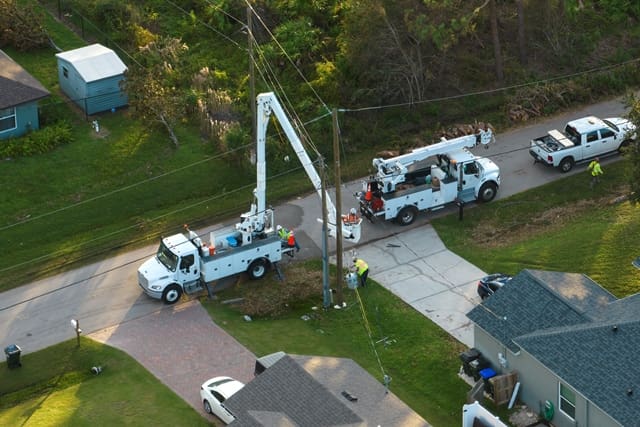
There are several different types of easements that property owners may encounter. Utility easements are among the most common and allow utility companies to install, maintain, and repair infrastructure such as power lines, water pipes, and communication cables. Access easements provide a legal route for a neighboring property owner to reach a road or another section of land. Drainage easements help manage stormwater runoff and protect surrounding properties from flooding. Conservation easements may limit development to preserve natural resources or environmentally sensitive areas. Each type of easement serves a unique purpose and can have varying effects on property ownership and land use.
How Easements Affect Property Owners
Property easements can influence a homeowner’s ability to make changes or improvements to their land. For example, building a structure over a utility easement may be prohibited because utility companies require access for maintenance and repairs. Property owners may also need to accommodate access rights granted to neighbors or local governments. While easements do not necessarily reduce property value, they can impact future development plans and should be carefully reviewed before purchasing a property. Understanding these restrictions allows owners to avoid costly mistakes and legal disputes. Being aware of easement locations and terms can help property owners make better long-term decisions regarding their real estate investments.
The Importance of Reviewing Easements During a Home Purchase
Before purchasing a property, buyers should thoroughly review title reports, surveys, and other legal documents to identify any existing easements. Easements are often discovered during the title search process and can reveal important information about how the property may be used. Buyers who fail to investigate easements may later find unexpected limitations on construction projects, landscaping plans, or property access. Understanding easements before closing helps eliminate surprises and allows buyers to evaluate whether the property meets their needs. A careful review can also provide opportunities to negotiate concerns before the transaction is finalized.
Resolving Easement Questions and Disputes

Occasionally, disagreements arise regarding easement boundaries, maintenance responsibilities, or permitted uses. Property owners should review the recorded easement documents and consult legal professionals when questions arise. Open communication between affected parties can often resolve misunderstandings before they escalate into larger conflicts. In some cases, surveys and title research may be necessary to clarify the exact location and scope of an easement. Taking a proactive approach to addressing easement concerns can help preserve property rights and maintain positive relationships between neighbors and other stakeholders.
Conclusion
Property easements are an important aspect of real estate ownership that can significantly influence how land is used and maintained. While easements provide valuable access and utility benefits, they can also create restrictions that property owners should fully understand. Reviewing easements before buying or selling a property is an essential step in protecting your investment and avoiding unexpected challenges. Working with knowledgeable professionals, including real estate agents, can make it easier to navigate easement-related issues and ensure a successful transaction. By understanding property easements, homeowners and buyers can make informed decisions and confidently manage their real estate assets.
#PropertyEasement #RealEstateTips #HomeBuyingGuide #PropertyRights #RealEstateEducation #Homeownership #RealEstateAgent #TitleSearch #PropertyOwnership #RealEstateInvesting