Deciding when to sell your home is one of the most important choices a homeowner can make. Timing the market, assessing your personal needs, and understanding property trends all play a crucial role in making the right decision. Selling too early or waiting too long can impact your potential profits and your overall satisfaction with the sale. Recognizing the signs that it’s time to sell can give you a competitive edge and ensure a smoother transition to your next chapter. In this post, we’ll explore seven clear indicators that suggest your home may be ready for the market.
1. Neighborhood Changes
Changes in your neighborhood, whether positive or negative, can influence your desire to stay in your home. An increase in crime rates, declining property values, or changes in local amenities may prompt you to consider selling. Conversely, if your neighborhood is rapidly improving and property values are rising, selling now could allow you to capitalize on market demand. Understanding these shifts helps you make informed decisions that align with your long-term financial and personal goals. Staying aware of your surroundings ensures you’re not caught off guard by market trends or lifestyle changes.
2. Your Home Feels Too Small

If your family is growing or your lifestyle needs have changed, feeling cramped in your current home is a strong sign it may be time to sell. A home that no longer meets your space requirements can lead to stress and a diminished quality of life. Buyers are often looking for more open layouts, additional bedrooms, or functional office space, which your current property may lack. Selling now allows you to upgrade to a home that better fits your lifestyle and future plans. Recognizing that your home no longer accommodates your daily needs is an important first step in the decision-making process.
3. Maintenance and Repair Costs
When your home requires frequent repairs or costly maintenance, selling may be more practical than continuing to invest in an aging property. Roof replacements, plumbing issues, or outdated systems can become financial burdens that outweigh the benefits of staying. Buyers tend to prefer move-in-ready homes, meaning high repair costs could reduce your selling price if you try to renovate extensively. Assessing the balance between maintenance expenses and potential resale value can help determine whether selling is the smarter option. Avoiding long-term financial strain is a key reason many homeowners choose to put their property on the market.
4. Emotional Readiness
Sometimes, the signs to sell are more emotional than practical. Feeling disconnected from your home, lacking enjoyment in your space, or desiring a fresh start can indicate it’s time for a change. Emotional readiness can impact how you approach the selling process and your satisfaction with your next home. Recognizing these feelings early can help you plan a sale that supports both your financial goals and personal happiness. Emotional clarity is just as important as financial and physical considerations when deciding to sell.
5. Financial Incentives
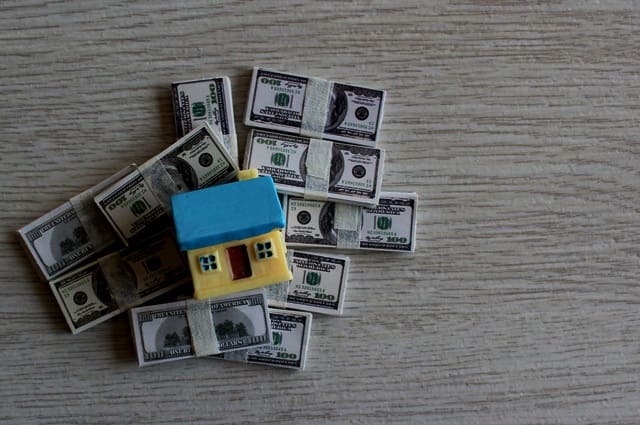
Market conditions and personal finances play a significant role in the decision to sell. Low-interest rates, high demand for homes in your area, or a seller’s market can create favorable conditions for a profitable sale. Additionally, life changes such as job relocation, retirement, or inheritance can influence your financial strategy. Selling when the market and your personal finances align can maximize your return and reduce stress. Being proactive rather than reactive ensures you’re making the most strategic move possible.
Benefits of Hiring a Real Estate Agent
Working with a professional real estate agent can make the selling process smoother and more profitable. Agents provide market insights, pricing strategies, and negotiation skills that most homeowners cannot access on their own. They can handle paperwork, coordinate showings, and market your home effectively to attract qualified buyers. Having an expert by your side reduces stress and increases the likelihood of achieving your desired sale price. Real estate agents are invaluable partners in ensuring a successful and efficient home sale.
Conclusion
Selling your home is a major decision that involves financial, practical, and emotional considerations. By recognizing the seven signs outlined in this post, you can better determine whether the time is right to list your property. Whether it’s space needs, neighborhood changes, costly repairs, financial incentives, or emotional readiness, each factor contributes to a well-informed choice. Partnering with a skilled real estate agent further enhances your chances of a smooth and profitable transaction. Paying attention to these signals ensures that you make the best move for your future and maximize the value of your home.
#homeforsale #realestate #homesellingtips #sellmyhome #propertymarket #realestateagent #homeselling #houseforsale
Expert Assistance:
To reach out to Richard for expert assistance in the Decatur & Atlanta markets, reach out here.
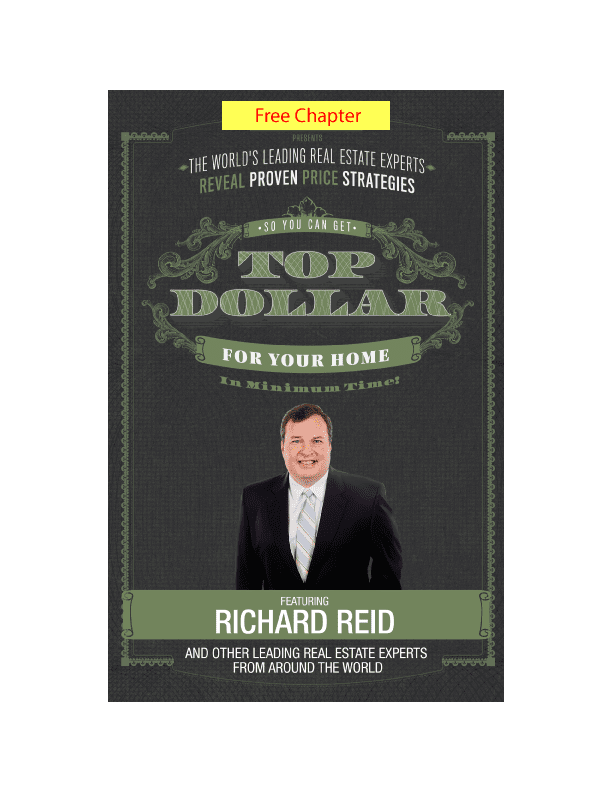
You can also ask Richard for a copy of his contribution to the best-selling book Top Dollar – by completing the form linked here.