

Buying a home is one of the biggest financial decisions you’ll make, and determining how much house you can realistically afford is critical. Many buyers enter the process with a dream budget that doesn’t match their financial reality, leading to stress and disappointment. By understanding the key factors that influence affordability—like income, debt, savings, and credit—you can confidently navigate the home-buying process. This blog post breaks down how to calculate your homebuying budget and make informed choices. Whether you’re a first-time buyer or upgrading your current space, knowing your limits will help you buy smarter and stay financially secure.
Understanding Your Income and Expenses
Your income is the foundation of what you can afford when it comes to purchasing a home. However, it’s not just about how much you earn—it’s about what remains after paying for essentials and obligations. To get a clear picture, start by documenting your take-home pay and monthly expenses, including groceries, utilities, transportation, and discretionary spending. Avoid using gross income in your affordability estimate, as it doesn’t reflect what’s actually available for mortgage payments. Be realistic and honest with your numbers to create a solid budget that aligns with your lifestyle. This evaluation is essential in determining how much home you can comfortably afford without stretching your finances too thin.
How Debt-to-Income Ratio Impacts Affordability

Lenders rely heavily on your debt-to-income (DTI) ratio when deciding how much they’re willing to loan you. This ratio compares your monthly debt payments to your gross monthly income. Ideally, your DTI should be under 36%, with no more than 28% going toward housing costs. High debt levels can reduce your borrowing power and increase interest rates. Before shopping for homes, consider paying down credit card balances, auto loans, or student debt to improve your ratio. Managing your debt wisely can significantly enhance your chances of qualifying for a mortgage that suits your budget.
The Importance of a Down Payment and Savings
Your down payment plays a major role in affordability, often determining your loan size, interest rate, and monthly payment. A larger down payment reduces your loan-to-value ratio, potentially saving you thousands over the life of your mortgage. Ideally, you should aim for 20% down to avoid private mortgage insurance (PMI), but many buyers put down less. In addition to the down payment, you’ll need cash reserves for closing costs, moving expenses, and home maintenance. Building a savings cushion before buying ensures you can handle unexpected costs without jeopardizing your financial health.
How a Real Estate Agent Helps You Stay Within Budget
A knowledgeable real estate agent can be an invaluable ally in helping you stay financially grounded during your home search. Agents understand local market conditions, price trends, and negotiation tactics that can lead to better deals. They’ll help you identify homes that fit your criteria and budget, avoiding overpriced listings or properties with hidden costs. Agents also work closely with lenders and can assist in interpreting loan estimates and financial documents. With a skilled agent on your side, you gain expert guidance that ensures you make a sound investment without overextending your budget.
Why Getting Pre-Approved Is Crucial
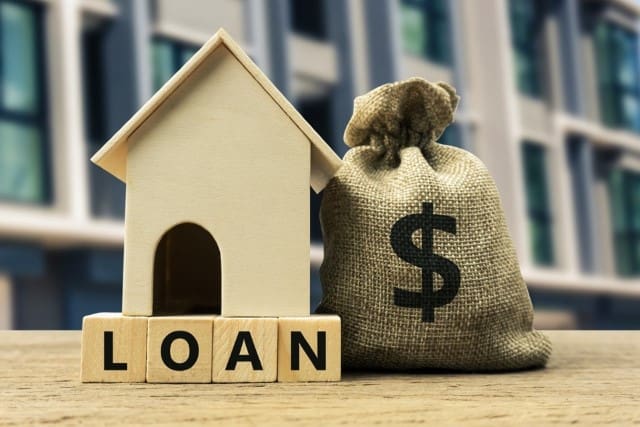
Getting pre-approved for a mortgage is one of the smartest steps you can take before starting your home search. It provides a clear picture of how much a lender is willing to offer based on your income, credit, and debt. Pre-approval also strengthens your offer when bidding on a home, giving you an edge in competitive markets. Keep in mind that pre-approval isn’t a blank check—stay within your personal budget even if you qualify for more. Use this process as a guide, not a goal, to avoid committing to a mortgage that becomes a financial burden.
Conclusion: Buy Smart, Not Beyond Your Means
Buying a home should be an exciting and rewarding experience—not a source of financial strain. By understanding your income, evaluating debt, saving for upfront costs, and working with a professional, you can make a well-informed decision. Knowing how much house you can truly afford gives you peace of mind and long-term stability. Resist the urge to chase your dream home at the expense of your financial health. Instead, focus on purchasing a home that meets your needs and fits comfortably within your means.
#HomeBuyingTips #RealEstateAdvice #MortgagePlanning #HouseHunting #FinancialWellness #HomeAffordability #RealEstateExpert #SmartHomeBuying

For a copy of our home buying process, please fill out the form on this page. The guide will be emailed immediately.
If you are looking for assistance in the metro Atlanta area, please reach out to us. We would love the opportunity to help you with your home purchase or sale.
If you are in another part of the country, we may be able to refer you to an agent in your market.
