Understanding how to calculate the square footage of your home is essential whether you are preparing to sell, refinance, or simply want to know your property’s value. Square footage plays a major role in determining listing prices, property taxes, and buyer interest in competitive real estate markets. Many homeowners underestimate the importance of accurate measurements, which can lead to pricing errors or appraisal issues later on. By learning a few simple calculation methods, you can confidently assess your home’s size and ensure you are presenting accurate information. This guide will walk you through everything you need to know to calculate square footage like a professional.
Why Square Footage Matters
Square footage is one of the most critical factors buyers consider when evaluating a home, making it a key component of your property’s marketability. Larger homes typically command higher prices, but only when the measurements are accurate and verifiable. Misstating square footage can lead to legal complications, failed appraisals, or lost buyer trust during negotiations. In competitive markets, accurate square footage can give your listing a strong advantage in search engine results and property filters. Understanding this metric ensures your home is positioned correctly and competitively from the start.
How to Measure Square Footage Step by Step
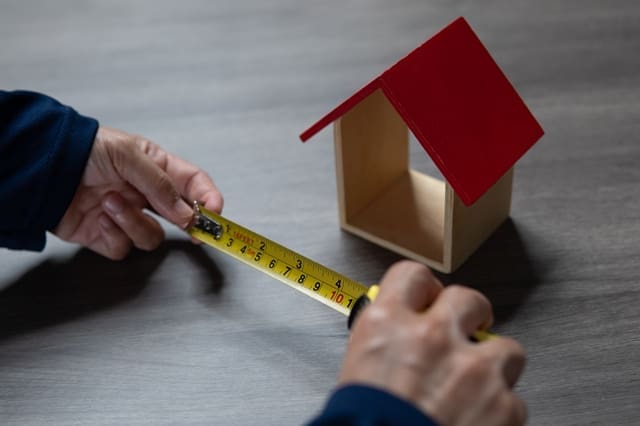
To calculate square footage, begin by breaking your home into measurable sections such as rectangles or squares. Measure the length and width of each room using a tape measure, ensuring you record dimensions in feet for consistency. Multiply the length by the width of each space to determine its individual square footage, then add all sections together for the total. Be sure to include only heated and livable areas, as garages, unfinished basements, and outdoor spaces are typically excluded. Accuracy is key, so double-check your measurements and consider using a digital measuring tool for improved precision.
Special Considerations for Unique Layouts
Not all homes have simple layouts, so it’s important to account for irregular shapes, multiple levels, and architectural features. For triangular or irregular spaces, divide the area into smaller rectangles or use geometric formulas to estimate square footage accurately. Staircases are generally counted once, and only finished basements that meet local standards should be included in total square footage. Additionally, ceiling height requirements can impact whether certain areas are considered livable space. Taking these factors into account ensures your calculations align with industry standards and avoid discrepancies during appraisals.

How Your Agent Can Help
While calculating square footage can be done independently, hiring a real estate agent offers significant advantages in ensuring accuracy and compliance with local regulations. Agents have access to professional tools, industry knowledge, and appraisal standards that help prevent costly errors. They can also verify measurements against public records and recommend adjustments based on market expectations. Beyond measurements, agents provide strategic pricing guidance, marketing expertise, and negotiation skills that maximize your home’s value. Partnering with a professional not only saves time but also increases confidence throughout the selling process.
Common Mistakes to Avoid
One of the most common mistakes homeowners make is including non-livable areas such as garages, porches, or unfinished basements in their calculations. Another frequent error is measuring from interior walls instead of exterior walls, which can lead to underreported square footage. Rounding numbers too aggressively or failing to account for odd-shaped spaces can also create inaccuracies. These mistakes may seem minor but can significantly impact your home’s perceived value and buyer trust. Avoiding these pitfalls ensures your listing remains credible and competitive in the real estate market.
Conclusion
Calculating the square footage of your home is a fundamental skill that can influence pricing, marketing, and overall success in real estate transactions. By following proper measurement techniques and understanding what counts as livable space, you can ensure your numbers are accurate and reliable. Whether you are preparing to sell or simply want a better understanding of your property, taking the time to calculate square footage correctly is a worthwhile investment. For the best results, consider working with a real estate professional who can verify your data and guide you through the process. Accurate information builds trust, attracts serious buyers, and ultimately leads to smoother, more successful transactions.
#RealEstateTips #HomeSelling #SquareFootage #RealEstateMarketing #HomeValue #PropertyTips #RealEstateAgent #HomeMeasurement #SellYourHome #RealEstateSEO