Rental scams are becoming increasingly common, putting property owners at risk of financial loss, legal trouble, and reputational damage. As the rental market grows more competitive, scammers are finding new ways to exploit both landlords and tenants. Property owners must stay vigilant and proactive to safeguard their investments from fraudulent activity. Understanding how rental scams work is the first step toward prevention and long-term success. This guide will walk you through practical strategies to protect your investment property while maintaining a trustworthy rental process.
Common Types of Rental Scams
Rental scams can take many forms, and recognizing them early can save you significant stress and money. One common scheme involves fake tenants who submit fraudulent applications using stolen identities or falsified income documents. Another growing issue is payment scams, where renters attempt to use counterfeit checks or request refunds after overpaying. Some scammers even impersonate property owners, listing your rental online and collecting deposits from unsuspecting tenants. These situations can damage your credibility and create legal complications if not addressed quickly. Staying informed about these tactics helps you identify red flags before they escalate into costly problems.
How to Screen Tenants Effectively
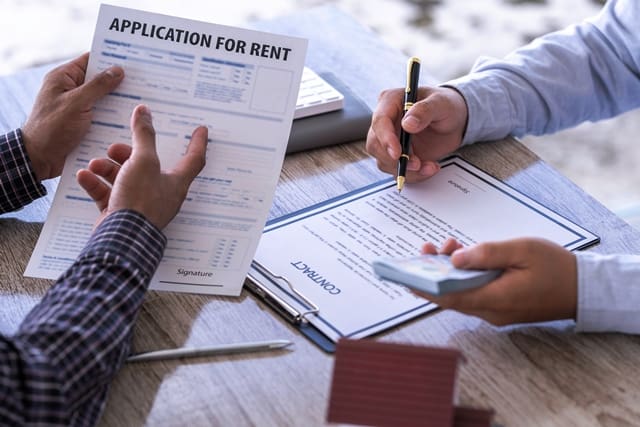
Thorough tenant screening is one of the most effective ways to protect your rental property from scams. Start by requiring a detailed application that includes employment history, references, and consent for background and credit checks. Verifying income and contacting previous landlords can help confirm the applicant’s legitimacy. It is also important to trust your instincts if something feels off during the screening process. Consistency in your screening criteria ensures fairness while minimizing risk. By implementing a structured screening system, you create a strong first line of defense against fraudulent renters.
Securing Payments and Lease Agreements
Establishing secure payment methods and clear lease agreements is essential in preventing rental fraud. Always require payments through verified platforms or direct bank transfers rather than accepting cash or unconventional methods. Avoid accepting overpayments or issuing refunds without confirming that funds have cleared. A detailed lease agreement should outline payment terms, due dates, and penalties for late or missed payments. Digitally signed documents can add an extra layer of security and documentation. These practices not only protect your finances but also create a transparent and professional relationship with tenants.
Monitoring Your Property Listings
Keeping a close eye on where and how your property is listed online is crucial in preventing impersonation scams. Regularly search for your property address on popular rental websites to ensure no unauthorized listings exist. Use watermarking on photos and include unique descriptions that are difficult for scammers to replicate. Promptly report any suspicious listings to the platform to have them removed. Maintaining control over your property’s online presence reduces the likelihood of fraudulent activity. This proactive approach helps preserve your reputation and protects potential tenants from being misled.
Benefits of Hiring a Real Estate Agent

Working with a real estate agent can significantly reduce your exposure to rental scams and streamline your property management process. Agents have access to professional tools and databases that help verify tenant information and detect inconsistencies. They also handle marketing, screening, and lease preparation with a high level of expertise and compliance. Their experience allows them to spot red flags that property owners might overlook. In addition, agents can ensure your property is listed securely across trusted platforms. Partnering with a professional not only saves time but also provides peace of mind that your investment is protected.
Legal Protections and Documentation
Understanding your legal rights and responsibilities as a landlord is critical in protecting your property. Proper documentation of all transactions, communications, and agreements can serve as evidence if disputes arise. Familiarize yourself with local and state rental laws to ensure compliance and avoid penalties. Keeping organized records also helps you respond quickly to any suspicious activity. Consulting with a legal professional or property manager can further strengthen your protection strategy. Taking these steps ensures you are prepared to handle any challenges that may come your way.
Conclusion
Protecting your investment property from rental scams requires a combination of awareness, diligence, and proactive strategies. By understanding common scams, implementing thorough tenant screening, and securing your payment processes, you can significantly reduce your risk. Monitoring your property listings and maintaining proper documentation further strengthens your defense against fraud. Enlisting the help of a real estate agent adds an extra layer of security and expertise to your efforts. Ultimately, staying informed and consistent in your approach will help you safeguard your property and maintain long-term success in the rental market.
#RentalScams #PropertyManagement #LandlordTips #RealEstateInvesting #RentalProperty #TenantScreening #InvestmentProtection #RealEstateTips