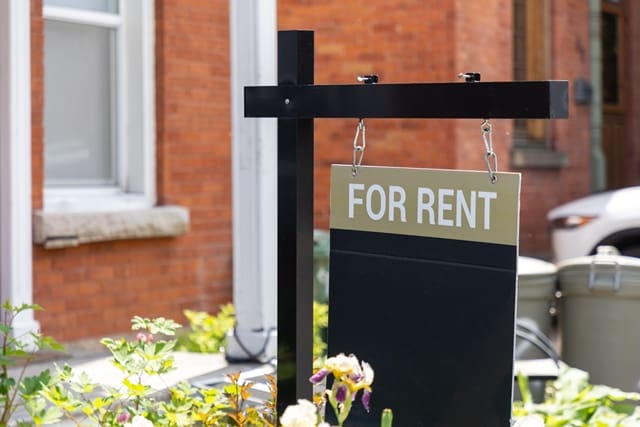
Owning a rental property can be one of the most rewarding ways to build long-term wealth, generate passive income, and diversify your investment portfolio. However, every landlord eventually faces an important decision: should you self-manage your rental property or hire a professional property manager? The answer depends on several factors, including your experience, available time, proximity to the property, and overall investment goals. Understanding the advantages and disadvantages of each option can help you maximize your rental income while minimizing stress and costly mistakes. Whether you are a first-time landlord or a seasoned real estate investor, making the right management decision can significantly impact your property’s profitability and your overall experience.
What Does Self-Managing a Rental Property Involve?
Self-managing a rental property means taking responsibility for every aspect of the rental process without hiring a third party. This includes advertising vacancies, screening tenants, preparing lease agreements, collecting rent, coordinating repairs, responding to maintenance requests, and handling tenant communications. Many landlords appreciate the direct control they have over every decision and the opportunity to build stronger relationships with their tenants. Self-management also requires staying informed about landlord-tenant laws, fair housing regulations, and local rental ordinances to remain legally compliant. While this approach can save money on management fees, it requires a significant investment of time and effort throughout the year.
The Benefits of Managing Your Rental Property Yourself
Many rental property owners choose self-management because it allows them to maximize cash flow by avoiding monthly property management fees. Direct involvement gives landlords greater oversight of maintenance expenses, tenant selection, lease negotiations, and property improvements. Self-managing also allows owners to respond quickly to issues and maintain complete control over the property’s condition and financial performance. Investors who own only one or two local rental properties often find this approach manageable because they can personally oversee daily operations. Additionally, hands-on experience helps landlords gain valuable knowledge about real estate investing that can benefit future property purchases.
The Challenges of Self-Managing Rental Properties
Despite the financial savings, self-managing rental properties comes with several challenges that many landlords underestimate. Tenant emergencies can happen at any hour, requiring immediate attention regardless of weekends, holidays, or vacations. Evictions, lease disputes, maintenance coordination, and accounting responsibilities can become overwhelming, particularly for landlords with full-time careers or multiple properties. Keeping up with changing housing laws and maintaining accurate financial records also demands ongoing attention and organization. Without proper systems in place, self-management can become stressful and time-consuming, reducing the enjoyment and profitability of owning rental real estate.
The Advantages of Hiring a Property Manager
Hiring a professional property manager allows rental property owners to delegate the daily responsibilities associated with operating an investment property. Experienced property managers typically have established systems for marketing vacancies, screening tenants, collecting rent, scheduling maintenance, handling inspections, and enforcing lease agreements. Their industry expertise often helps reduce vacancy periods, improve tenant retention, and minimize legal risks through proper documentation and compliance with housing regulations. Property managers also maintain networks of trusted contractors who can often complete repairs quickly and at competitive prices. For investors who own multiple rental properties or live far from their investments, professional management offers convenience, efficiency, and greater peace of mind.
Understanding the Costs of Property Management
The primary drawback of hiring a property manager is the additional expense, which typically ranges from 8% to 12% of the monthly rental income, along with potential leasing, renewal, or maintenance coordination fees. Although these costs reduce immediate cash flow, they may be offset by fewer vacancies, better tenant retention, and more efficient property operations. Professional managers can also help landlords avoid costly legal mistakes and reduce the likelihood of expensive property damage caused by poorly screened tenants. When evaluating management costs, investors should compare them against the value of their own time and the potential financial benefits of professional oversight. In many cases, paying for expert management can improve long-term profitability despite the monthly expense.
Questions to Ask Before Making Your Decision

Choosing between self-management and hiring a property manager begins with evaluating your personal circumstances and investment objectives. Consider whether you have enough time to respond promptly to tenant requests, coordinate repairs, and manage administrative responsibilities. Think about your familiarity with landlord-tenant laws, lease enforcement, accounting, and conflict resolution. Also consider how close you live to your rental property and whether you plan to expand your investment portfolio in the future. Answering these questions honestly will help determine whether hands-on management or professional assistance is the better fit for your situation.
Conclusion
There is no universal answer to whether landlords should self-manage or hire a property manager because every investor has unique goals, resources, and experience. Self-management offers greater control and lower operating costs, making it attractive for hands-on landlords with available time and local properties. Professional property management provides convenience, expertise, and operational efficiency that can be especially valuable for busy investors or those with growing portfolios. Carefully weighing the financial costs against the value of your time, stress reduction, and long-term investment goals will help you make the right decision. By choosing the management approach that best aligns with your circumstances, you can protect your investment, improve tenant satisfaction, and maximize the long-term success of your rental property.
#RentalProperty #PropertyManagement #RentalInvesting #RealEstateInvesting #LandlordTips #PassiveIncome #InvestmentProperty #PropertyManager #RentalIncome #RealEstate