
When preparing a home for sale, many homeowners focus on renovations, landscaping, paint colors, and staging, but lighting can be just as influential. The right lighting can make rooms feel larger, cleaner, warmer, and more inviting from the moment buyers walk through the door. It can also improve listing photos, which is especially important because many buyers form an initial impression of a property online. Strategic lighting helps highlight desirable architectural details while minimizing areas that feel dark or uninviting. Although lighting alone cannot guarantee a specific increase in selling price, thoughtful improvements can strengthen a home’s overall presentation and potentially contribute to stronger buyer interest and offers.
Bright Rooms Can Create a Better First Impression
A bright, welcoming interior can immediately influence how buyers perceive a property. Dark rooms may appear smaller, dated, or less functional, even when the actual space is attractive. Increasing the amount of useful light can make ceilings feel higher and living areas feel more spacious. During showings, buyers are more likely to notice attractive finishes, flooring, cabinetry, and architectural details when those features are properly illuminated. A strong first impression can encourage buyers to spend more time exploring the property and can help the home stand out from competing listings.
Natural Light Can Increase Buyer Appeal
Natural light is one of the most desirable lighting characteristics buyers often notice during a home tour. Large windows, unobstructed glass doors, and strategically positioned mirrors can help distribute daylight throughout a room. Homeowners can improve natural lighting by opening curtains and blinds, trimming exterior vegetation that blocks windows, and cleaning glass before showings. Light-colored walls and reflective surfaces can also help bounce daylight deeper into a space. While natural light does not automatically add a specific dollar amount to a property, homes that feel bright and open can create stronger emotional appeal for prospective buyers.
Layered Lighting Makes Every Room More Functional
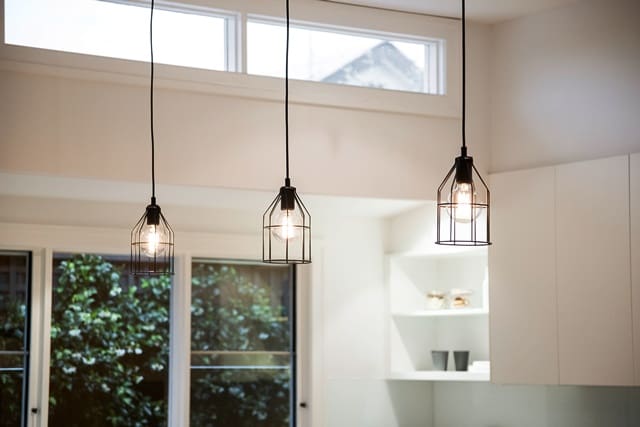
Effective home lighting usually involves more than a single ceiling fixture. Layered lighting combines ambient, task, and accent lighting to create different levels of illumination throughout a room. In a kitchen, for example, overhead lighting can provide general brightness while under-cabinet lights illuminate countertops and pendant fixtures add visual interest. Living rooms can benefit from a combination of ceiling fixtures, floor lamps, table lamps, and accent lighting. Creating multiple lighting layers can make a home feel more thoughtfully designed and can help buyers envision how they would use each space.
Kitchen Lighting Can Highlight Valuable Features
The kitchen is often one of the most closely examined areas during a home showing, making lighting particularly important. Under-cabinet lighting can draw attention to countertops and backsplashes while pendant fixtures can create a focal point over an island. Bright, neutral illumination can also help buyers accurately see cabinet finishes, appliances, flooring, and work surfaces. Poorly positioned fixtures can create shadows that make even attractive kitchens look less appealing. Improving kitchen lighting can therefore be a relatively manageable way to strengthen the presentation of one of the home’s most important selling features.
Bathroom Lighting Can Make a Major Difference
Bathrooms can benefit significantly from thoughtful lighting because buyers want these spaces to feel clean, bright, and functional. Vanity lighting positioned around or beside a mirror can reduce harsh shadows and create more even illumination. Additional recessed or ceiling lighting can brighten the entire room without overwhelming the space. Accent lighting can also emphasize upgraded tile, architectural details, or attractive fixtures. When buyers walk into a well-lit bathroom, they may have an easier time appreciating the condition and quality of the space.
Exterior Lighting Can Boost Curb Appeal
The impact of lighting does not stop at the front door. Exterior lighting can make a property more attractive during evening showings while helping illuminate walkways, landscaping, entryways, patios, and architectural features. A well-lit front entrance can create a welcoming appearance and make the property feel more cared for. Landscape lighting can also draw attention to mature trees, attractive plantings, retaining walls, or outdoor living areas. Because curb appeal influences a buyer’s first impression, exterior lighting can complement other improvements designed to make the property stand out.
Avoid Overly Bright or Harsh Lighting
More light is not always better when preparing a home for sale. Extremely bright bulbs, cool blue-toned lighting, and exposed fixtures can make rooms feel harsh or uncomfortable. Different rooms may require different lighting temperatures and brightness levels depending on their purpose and design. Bedrooms and living areas often benefit from warmer, more relaxing illumination, while kitchens and work areas may need brighter task lighting. A balanced lighting plan can make the property feel polished while avoiding the artificial appearance that can result from using the same intense lighting throughout the house.
Better Lighting Can Improve Real Estate Photos
Real estate photography is one of the most important parts of a home’s online marketing strategy, and lighting plays a major role in image quality. Rooms photographed with balanced lighting can appear brighter, more spacious, and more inviting on listing websites and social media. Additional lamps, properly positioned fixtures, and open window coverings can help reduce dark corners and harsh shadows. Professional photographers can also use specialized equipment and techniques to capture a property’s best features. Better photographs may generate greater online interest, giving sellers more opportunities to attract qualified buyers to showings.
Smart Lighting Can Add Modern Appeal

Modern lighting technology can also contribute to the perceived value of a home. Smart bulbs, programmable fixtures, dimmers, motion sensors, and automated exterior lighting can give buyers additional control over how a property is illuminated. These features can be particularly appealing in homes marketed around convenience, energy efficiency, or modern design. However, sellers should focus on practical improvements rather than installing expensive technology solely because it is trendy. The goal is to create lighting that enhances the home’s functionality and appearance without making the upgrade difficult for buyers to understand or use.
Hire a Real Estate Agent for Strategic Selling Advice
A real estate agent can help homeowners determine which lighting improvements are most likely to support the property’s overall marketing strategy. Agents can evaluate the home from a buyer’s perspective and identify rooms, features, or exterior areas that need better illumination before listing. They can also coordinate with professional photographers and other home-preparation professionals to ensure the property is presented effectively online and during showings. An experienced agent can help sellers prioritize improvements based on the home’s price range, location, competition, and likely buyer expectations. This guidance can help homeowners avoid spending thousands of dollars on upgrades that may not provide meaningful value while focusing instead on changes that improve the property’s marketability.
Small Lighting Improvements Can Have a Large Impact
One advantage of improving home lighting is that sellers do not necessarily need to undertake a major renovation. Replacing outdated fixtures, adding under-cabinet lighting, installing brighter entryway fixtures, updating bathroom vanity lights, and adding exterior pathway lighting can all improve presentation. Cleaning windows and light fixtures can also make existing illumination more effective without requiring a large investment. Sellers should consider the condition, style, and price point of the home before choosing upgrades. When lighting improvements work together with staging, photography, landscaping, and appropriate pricing, they can contribute to a more compelling overall presentation.
Make Lighting Part of Your Home Selling Strategy
Lighting should be considered an important component of preparing a home for sale rather than an afterthought. From natural daylight and kitchen fixtures to bathroom illumination and exterior landscape lighting, each area can influence how buyers experience the property. Strategic lighting can help rooms appear more functional, highlight desirable features, improve listing photographs, and strengthen the home’s overall visual appeal. It is impossible to guarantee that a particular lighting upgrade will add thousands of dollars to a home’s final selling price, because market conditions, location, pricing, condition, and buyer demand all affect the outcome. However, sellers who use lighting strategically can create a brighter, more polished property that may attract more attention and make a stronger impression on prospective buyers.
#RealEstate #HomeSelling #HomeValue #RealEstateTips #SellingAHome #HomeLighting #CurbAppeal #RealEstateMarketing #HomeStaging #SellerTips
Expert Assistance:
To reach out to Richard for expert assistance in the Decatur & Atlanta markets, reach out here.
You can also ask Richard for a copy of his contribution to the best-selling book Top Dollar – by completing the form linked here.