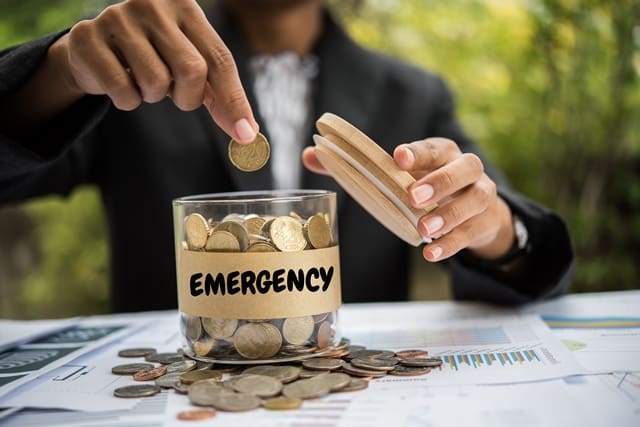
An emergency fund is one of the most important parts of a household financial plan because unexpected expenses can happen at any time. A broken water heater, major car repair, medical bill, job loss, or urgent home repair can quickly put pressure on a household budget. Having money set aside for emergencies can help you handle these expenses without immediately relying on credit cards or loans. The right emergency fund amount depends on your household income, monthly expenses, job stability, debt, and lifestyle. Understanding how much money you need in an emergency fund can help you create a realistic savings goal while protecting your broader financial plans.
What Is a Household Emergency Fund?
A household emergency fund is money reserved specifically for unexpected and necessary expenses. It is different from savings for planned purchases such as vacations, holiday spending, home renovations, or a new vehicle. Emergency savings are generally intended for situations that are urgent, necessary, and difficult to predict. Keeping these funds separate from everyday spending can make it easier to preserve them until a genuine financial emergency occurs. A dedicated emergency fund can also provide a financial cushion when an unexpected expense arrives at an inconvenient time.
How Much Emergency Savings Should You Have?
A common starting point is to save enough money to cover three to six months of essential household expenses. The appropriate target can vary significantly from one household to another because financial circumstances are not identical. Someone with stable employment, low debt, and multiple sources of household income may approach emergency savings differently from someone with variable income or a single primary income source. Households with significant financial responsibilities may also want to consider maintaining a larger cash reserve. Instead of choosing an arbitrary dollar amount, calculate your essential monthly expenses and use that figure to establish a personalized emergency fund goal.
Calculate Your Essential Monthly Expenses
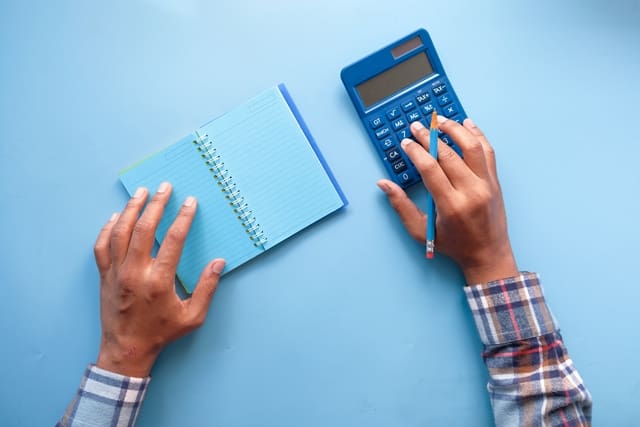
The first step toward determining your emergency fund target is identifying the expenses your household would need to continue paying during a financial setback. Essential expenses may include mortgage or rent, utilities, groceries, insurance, transportation, minimum debt payments, childcare, and necessary medical costs. Review several months of bank and credit card statements to identify recurring expenses and separate necessities from discretionary spending. Once you determine your essential monthly cost of living, multiply that amount by the number of months you want your emergency fund to cover. This calculation gives you a practical savings target that reflects your household rather than a generic recommendation.
When Three Months of Expenses May Be Enough
A three-month emergency fund can provide a meaningful financial cushion for households with relatively stable circumstances. Two-income households may have different emergency savings needs than households that depend primarily on one income. Stable employment, predictable expenses, adequate insurance coverage, and limited debt can also influence how much cash a household chooses to keep available. Reaching three months of essential expenses can be an important milestone for people who are starting to build an emergency fund. However, households should periodically reassess the target because income, expenses, employment, and family responsibilities can change.
When Six Months or More May Make Sense
Some households may prefer an emergency fund that covers six months of essential expenses or potentially more. A larger reserve can be particularly relevant when household income is variable, employment is less predictable, or finding replacement income could take longer. Homeowners may also encounter expensive repairs involving roofs, plumbing, heating and cooling systems, or major appliances that are difficult to postpone. Families with dependents or substantial recurring financial obligations may want additional savings to create more flexibility during an extended disruption. The goal is not simply to accumulate a large cash balance but to create a reserve that realistically matches your household’s financial risks.
Should Homeowners Have a Larger Emergency Fund?
Homeownership can introduce unexpected expenses that renters may not face directly, which makes emergency savings especially important for homeowners. Property taxes, insurance, maintenance, appliances, plumbing, electrical systems, and heating and cooling equipment can all create substantial expenses. A household should consider these potential costs when determining how much cash should remain available for emergencies. An emergency fund does not replace a separate home maintenance budget because planned maintenance and unexpected emergencies serve different purposes. Keeping both types of savings in your financial plan can help prevent a routine home expense from becoming a financial crisis.
How to Build an Emergency Fund on a Tight Budget
Building an emergency fund does not require saving thousands of dollars immediately. Start with a smaller initial goal, such as $500 or $1,000, and gradually increase it as your budget allows. You can direct tax refunds, bonuses, cash gifts, side-income, or money saved from reducing recurring expenses toward your emergency savings. Even relatively small automatic transfers can accumulate over time when they happen consistently. The most important step is to establish a savings habit and increase your contribution when your income or financial circumstances improve.
Keep Your Emergency Fund Separate From Other Savings
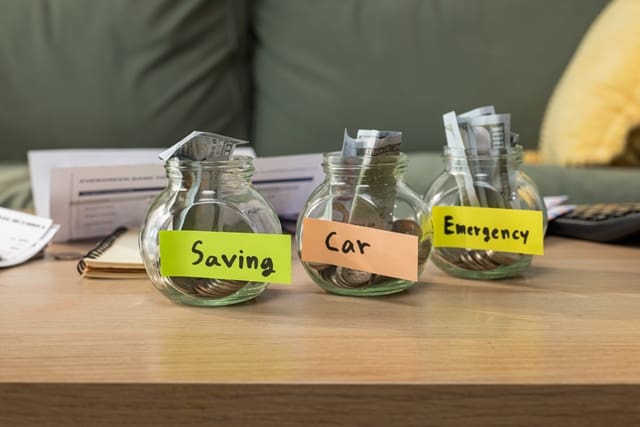
Separating emergency savings from money intended for everyday spending can make it easier to protect the fund. Many households choose a savings account that provides convenient access while keeping the money away from their primary checking account. The emergency fund should generally prioritize safety and accessibility rather than aggressive investment growth because the money may be needed unexpectedly. Automating transfers after each paycheck can also make building the fund easier and more consistent. Once the account reaches its target, periodically review the balance to make sure it still reflects your current household expenses.
Avoid Using Credit Cards as Your Emergency Fund
Credit cards can provide access to money when an unexpected expense occurs, but relying on them as a primary emergency strategy can create additional financial pressure. Interest charges can make an emergency expense significantly more expensive when a balance is carried over time. An emergency fund allows you to use money you have already saved instead of immediately creating new debt. Credit can still be useful in certain situations, but having cash reserves can give your household more flexibility when unexpected costs arise. Building savings before an emergency happens can therefore be an important part of reducing financial vulnerability.
How Hiring a Real Estate Agent Can Benefit Your Financial Planning
A real estate agent can be a valuable resource when housing decisions are part of your household’s broader financial planning. When buying a home, an experienced agent can help you understand purchase prices, local market conditions, property taxes, potential maintenance considerations, and other costs that affect the true cost of homeownership. When selling, an agent can provide information about comparable properties, pricing strategies, marketing, negotiations, and transaction expenses. Understanding these factors can help homeowners and buyers make housing decisions that fit more realistically within their overall budgets. Working with a knowledgeable real estate professional can also help you identify housing-related costs that should be considered alongside your emergency savings goals.
Review Your Emergency Fund Every Year
An emergency fund should change as your household’s financial circumstances change. A new mortgage, higher rent, marriage, divorce, new child, career change, business ownership, or significant increase in monthly expenses can all affect the amount of savings you may need. Review your essential expenses at least annually and recalculate your emergency fund target when major financial changes occur. It is also important to replenish the account after using it for a legitimate emergency so that the money is available for the next unexpected event. Treating emergency savings as an ongoing part of your financial plan can make it easier to maintain an appropriate financial cushion.
Conclusion: Build an Emergency Fund That Fits Your Household
The amount of money you need for a household emergency fund depends on your essential expenses, income stability, debt, family responsibilities, homeownership costs, and other financial circumstances. A three-to-six-month reserve is a commonly used framework, but your personal target may be different depending on your household’s needs. Start by calculating your essential monthly expenses and establish an initial savings milestone that feels achievable. Then build your emergency fund gradually through automatic savings and occasional extra contributions. A well-planned emergency fund can help your household handle unexpected expenses while protecting your long-term financial and homeownership goals.
#EmergencyFund #EmergencySavings #PersonalFinance #HouseholdBudget #FinancialPlanning #Homeownership #MoneyManagement #FinancialSecurity