An appraisal gap occurs when a home’s appraised value comes in lower than the buyer’s agreed-upon purchase price. For sellers, this situation can create uncertainty because the buyer’s lender typically bases the mortgage amount on the appraised value rather than simply the contract price. For example, if a buyer agrees to purchase a home for $450,000 but the appraisal comes in at $430,000, there is a $20,000 appraisal gap. The buyer may need to bring additional cash to closing, renegotiate the purchase price, or potentially exercise an appraisal contingency depending on the terms of the contract. Understanding appraisal gaps before accepting an offer can help sellers make better decisions and avoid unexpected complications during the transaction.
Why Appraisal Gaps Happen
Appraisal gaps can happen for several reasons, even when a seller believes the home is accurately priced. A competitive housing market may push buyers to make offers above recent comparable sales because they want to win the property. Appraisers, however, generally rely heavily on comparable properties and other objective factors when determining market value. Rapidly changing home prices can also make it difficult to find recent comparable sales that support a higher contract price. Unique property features, limited comparable inventory, or an unusually aggressive offer can further increase the possibility of an appraisal coming in below the purchase price.
How an Appraisal Gap Can Affect Sellers
The biggest concern for sellers is that an appraisal gap can threaten the financial terms or timing of a home sale. If the buyer cannot or does not want to cover the difference, the parties may need to renegotiate the purchase price. In some situations, a buyer may have an appraisal contingency that allows them to terminate the contract under certain circumstances. Even when the buyer remains committed to purchasing the property, negotiations can delay the closing process and create additional stress. Sellers should therefore consider the buyer’s financing, appraisal provisions, and overall strength of the offer rather than focusing exclusively on the highest purchase price.
The Importance of Pricing Your Home Correctly
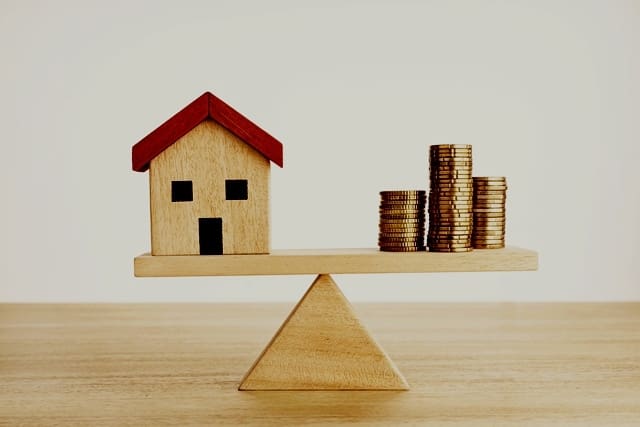
Strategic pricing is one of the most effective ways sellers can reduce appraisal risk. Setting an asking price based on recent comparable sales, current market conditions, property improvements, and buyer demand can help establish realistic expectations. Overpricing a property may create a disconnect between the contract price and the value supported by comparable sales. Sellers should also be careful about assuming that improvements automatically increase appraised value dollar for dollar. A well-supported pricing strategy can attract serious buyers while making it easier to justify the contract price if the property eventually goes through an appraisal.
What Sellers Should Know About Comparable Sales
Comparable sales, often called “comps,” play an important role in the appraisal process. Appraisers typically examine recently sold properties that are similar to the subject property in location, size, condition, features, and other relevant characteristics. Sellers should understand which nearby sales support their asking price and whether those properties are truly comparable. A home that has recently sold for a high price may not provide strong support if it is substantially larger, newer, or otherwise different from the seller’s property. Reviewing comparable sales before listing can help sellers establish a defensible price and recognize potential appraisal challenges before accepting an offer.
Strong Offers Are About More Than Price
When multiple buyers compete for a property, sellers may naturally gravitate toward the offer with the highest purchase price. However, the highest offer is not always the strongest offer when appraisal risk is considered. Sellers should examine the buyer’s financing, down payment, earnest money, contingencies, closing timeline, and willingness to address a potential appraisal shortfall. An offer that is slightly lower but includes stronger financial terms may ultimately present less risk than an offer substantially above asking price with limited resources available to cover an appraisal gap. Evaluating the entire offer can help sellers choose a contract that has a better chance of reaching the closing table.
Appraisal Gap Clauses Can Reduce Seller Risk
Some buyers include appraisal gap provisions in their offers to demonstrate that they are willing to cover some or all of a difference between the contract price and appraised value. The amount a buyer agrees to contribute can vary significantly, so sellers should carefully review the exact language of the offer and contract. A buyer might agree to cover an appraisal shortfall up to a specific dollar amount, while another buyer may offer to cover the entire gap. Sellers should not assume that an appraisal gap clause guarantees the transaction will close because the buyer’s financial ability and the specific contract terms still matter. Understanding these provisions before accepting an offer can help sellers compare competing contracts more effectively.
What Happens When the Appraisal Comes in Low

When an appraisal comes in below the contract price, the buyer, seller, and real estate professionals may need to determine how to proceed. One option is for the buyer to increase their cash contribution to make up the difference while keeping the purchase price unchanged. Another possibility is for the seller to reduce the purchase price, either partially or completely, to bring the transaction closer to the appraised value. The parties may also negotiate another solution, such as splitting the difference or adjusting other terms of the transaction. The best solution depends on the contract, the buyer’s financial position, current market conditions, and how motivated each party is to complete the sale.
The Impact of a Real Estate Agent
Hiring an experienced real estate agent can be especially beneficial when sellers are concerned about appraisal gaps. A knowledgeable agent can analyze comparable sales, evaluate current market conditions, and help establish a pricing strategy that is supported by available market data. When offers arrive, an agent can help sellers look beyond the purchase price and evaluate financing terms, contingencies, appraisal provisions, and the buyer’s overall ability to close. If an appraisal comes in low, the agent can also help facilitate communication and negotiations between the parties while keeping the transaction focused on the seller’s goals. Having professional guidance throughout the process can help sellers make informed decisions and potentially reduce the financial and emotional impact of an appraisal problem.
Sellers Should Prepare for Appraisal Questions
Preparation can make a difference when an appraisal is scheduled. Sellers and their agents should make sure relevant information about the property is available, including details about significant improvements, renovations, upgrades, and features that may help demonstrate the home’s value. Although an appraiser independently determines the property’s value, accurate information can provide useful context about the home. Sellers should also keep documentation related to major improvements when available because it may help establish what has been updated and when. The goal is not to influence an appraiser improperly, but rather to make sure relevant property information is accurately communicated during the valuation process.
Negotiating After an Appraisal Gap

An appraisal gap does not automatically mean that a home sale will fall apart. Buyers and sellers often have several potential ways to keep a transaction moving forward when the appraisal is lower than the contract price. A seller may agree to reduce the price, a buyer may contribute additional cash, or both parties may agree to share the financial difference. Sellers should consider the alternatives carefully, including the potential cost and uncertainty associated with putting the home back on the market. The right decision will depend on the seller’s financial objectives, the strength of the current buyer, and the likelihood of obtaining a better offer if the transaction ends.
Protecting Your Home Sale From Appraisal Surprises
Sellers cannot completely eliminate appraisal risk, but they can take steps to manage it. Pricing the property realistically, understanding comparable sales, reviewing offers carefully, and paying attention to appraisal-related contract terms can all help reduce potential surprises. Sellers should also consider the financial strength of prospective buyers rather than assuming that a high offer will automatically translate into a successful closing. Working with experienced real estate professionals can provide valuable insight before and after an appraisal takes place. By preparing for the possibility of an appraisal gap, sellers can enter negotiations with a clearer understanding of their options and priorities.
Conclusion
Appraisal gaps are an important consideration for anyone selling a home, particularly in competitive real estate markets where buyers may offer more than recent comparable sales appear to support. A low appraisal can lead to renegotiation, additional buyer cash, delays, or even a canceled transaction depending on the contract terms. Sellers can reduce their exposure by using a data-driven pricing strategy and carefully evaluating the financial strength and contingencies associated with each offer. Understanding appraisal gap clauses and preparing relevant property information can also help sellers navigate the appraisal process more confidently. With careful planning and professional guidance, sellers can better protect their home sale while making informed decisions when appraisal values and contract prices do not match.
#RealEstate #HomeSelling #AppraisalGap #HomeAppraisal #SellingAHome #RealEstateTips #HomeSellerTips #RealEstateMarket #PropertyValue #RealEstateAgent
Expert Assistance:
To reach out to Richard for expert assistance in the Decatur & Atlanta markets, reach out here.
You can also ask Richard for a copy of his contribution to the best-selling book Top Dollar – by completing the form linked here.