

Finding the right home involves more than evaluating its appearance, location, size, and asking price. Seasonal weather can reveal problems that might otherwise go unnoticed during a typical home showing. A property that looks beautiful on a sunny afternoon may have drainage problems during heavy rain, inadequate insulation during winter, or insufficient ventilation during the hottest months of summer. Understanding how different weather conditions affect a home can help buyers recognize potential warning signs before committing to a purchase. Paying attention to seasonal changes also provides a better understanding of how comfortable, durable, and manageable a property may be throughout the year. Buyers who consider weather-related concerns during their home search can make more informed decisions and avoid unexpected repair expenses.
Heavy Rain Can Expose Drainage and Water Intrusion Problems
Rainy weather provides an excellent opportunity to evaluate how effectively a property handles water. Look for standing water in the yard, pooling near the foundation, overflowing gutters, and areas where water appears to collect around the home. These conditions may indicate inadequate grading, clogged drainage systems, damaged downspouts, or other water management problems. Inside the property, pay attention to musty odors, water stains on ceilings, discolored walls, bubbling paint, and dampness in basements or crawl spaces. A real estate agent can help buyers recognize potential concerns during showings and recommend appropriate questions about previous water intrusion, drainage improvements, and repairs. Although a rainy-day showing may not be convenient, it can provide valuable information about how the property performs under challenging conditions.
Winter Weather Can Reveal Insulation and Heating Issues
Cold temperatures can expose problems that are difficult to identify during warmer months. Buyers should pay attention to whether rooms maintain consistent temperatures, whether windows allow noticeable drafts, and whether exterior doors have adequate weatherstripping. Uneven heating throughout the house may indicate insulation deficiencies, ductwork problems, or an aging HVAC system. Ice dams, excessive frost, and unusual condensation around windows can also suggest ventilation or insulation concerns, depending on the climate and construction of the property. An experienced real estate agent can help buyers understand which questions to ask about heating system maintenance, energy efficiency, and previous winter-related repairs. These observations can help buyers determine whether a home will provide comfortable living conditions without requiring substantial improvements.
Summer Heat Can Reveal Roofing and Ventilation Problems
Hot summer weather can put considerable stress on a home’s roofing system, attic ventilation, insulation, and air conditioning equipment. During a showing, notice whether the interior feels unusually warm, particularly in upstairs bedrooms or rooms located directly beneath the attic. Excessive indoor heat may indicate inadequate insulation, poor ventilation, inefficient windows, or an HVAC system that struggles to cool the property. Buyers should also look for signs of roof deterioration, including missing shingles, damaged flashing, and visible areas of wear. An experienced home inspector can evaluate the roof and attic for conditions that may contribute to heat buildup or premature material deterioration. A real estate agent can also help buyers review available information about the age of major systems and determine whether additional professional evaluations are warranted.
Spring Weather Can Uncover Foundation and Landscaping Concerns
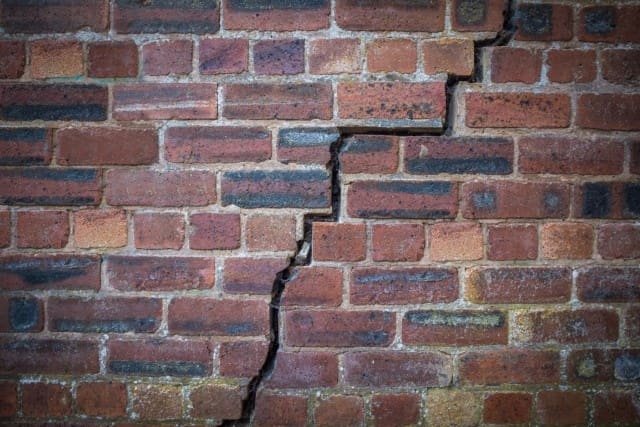
Spring often brings melting snow, increased rainfall, saturated soil, and changing ground conditions that can reveal problems around a property’s foundation. Buyers should examine exterior walls for cracks, areas where the ground slopes toward the house, and locations where water collects after storms. Uneven walkways, shifting retaining walls, and soil erosion may also indicate drainage or ground stability concerns that deserve further investigation. Inside the home, look for new cracks around doors and windows, sticking doors, and signs of moisture in lower-level spaces. While some foundation cracks are relatively minor, others may require evaluation by a qualified structural professional. A knowledgeable real estate agent can help buyers identify visible warning signs, understand the importance of further inspections, and avoid dismissing potentially expensive issues simply because a property looks appealing.
Windstorms Can Reveal Problems With Roofing, Siding, and Trees
Strong winds and severe storms can expose weaknesses in a home’s exterior that may not be obvious during calm weather. Missing shingles, loose siding, damaged gutters, and deteriorating fencing can indicate previous storm damage or deferred maintenance. Buyers should also examine mature trees near the home, particularly branches that extend over the roof or appear damaged, leaning, or unstable. Fallen branches and improperly maintained landscaping can create safety hazards and lead to expensive property damage during future storms. Ask whether the homeowner has experienced previous storm-related insurance claims and whether any repairs were completed by qualified professionals. A real estate agent can help buyers obtain available property disclosures, identify questions about previous damage, and understand when a specialized inspection may be appropriate.
Seasonal Changes Can Reveal Pest and Moisture Problems
Different seasons can make certain pest and moisture problems more noticeable. Warm, humid weather may encourage mold growth, increase insect activity, and expose areas where moisture collects around the property. During cooler months, rodents and other pests may seek shelter inside attics, crawl spaces, garages, and wall cavities. Buyers should look for droppings, damaged wood, mud tubes, unusual odors, and evidence of previous pest treatments. Pay particular attention to crawl spaces, basements, utility rooms, and areas beneath sinks where moisture problems can remain hidden. A real estate agent can help buyers request information about previous pest inspections, moisture remediation, and professional treatments so they have a clearer understanding of the property’s maintenance history.
Landscaping and Outdoor Features Can Respond Differently to Each Season
A property’s outdoor appearance can change dramatically throughout the year, making it important to look beyond attractive landscaping during a single season. A lush lawn in spring may conceal drainage problems, while dormant grass in winter may make bare areas, erosion, and uneven grading easier to recognize. Summer heat can expose irrigation problems, dying plants, and trees that provide insufficient shade for outdoor living spaces. Buyers should also evaluate patios, decks, driveways, retaining walls, and outdoor drainage systems for signs of seasonal deterioration. A real estate agent familiar with the local market can help buyers consider how landscaping, mature trees, and outdoor features may affect maintenance costs and future resale appeal. Understanding how the property responds to changing conditions helps buyers evaluate whether its outdoor spaces will remain functional and attractive throughout the year.
Why an Experienced Real Estate Agent Matters
An experienced real estate agent provides valuable guidance when buyers are evaluating how seasonal weather may affect a property’s condition and long-term ownership costs. Agents who understand local housing conditions can help buyers recognize common regional concerns, such as heavy rainfall, humidity, severe storms, freezing temperatures, or seasonal flooding. They can also help buyers identify questions that deserve attention before submitting an offer, including the age of the roof, previous water intrusion, drainage improvements, and HVAC maintenance. When potential problems arise, an experienced agent can help coordinate appropriate inspections, communicate with the seller, and navigate negotiations involving repair requests or other property concerns. Their knowledge of local market conditions can also help buyers determine whether the asking price reasonably reflects the property’s condition. Having professional representation throughout the process provides an additional layer of guidance when buyers must make important decisions about a significant financial investment.
Schedule Home Inspections to Investigate Weather-Related Concerns

Although observing a property during different seasons can reveal useful information, a visual evaluation should never replace a professional home inspection. Buyers should work with a qualified inspector who can examine major components, including the roof, foundation, electrical system, plumbing, HVAC equipment, attic, and visible drainage conditions. Depending on the property’s location and observed concerns, additional evaluations by roofing contractors, structural engineers, pest professionals, or drainage specialists may be appropriate. Buyers should also review seller disclosures and available documentation regarding previous repairs, insurance claims, water damage, and improvements. A real estate agent can help coordinate inspection appointments, track important deadlines, and communicate concerns that may need to be addressed before closing. Taking these steps gives buyers a more complete understanding of the home’s condition rather than relying exclusively on what they can see during a showing.
Consider the Cost of Seasonal Maintenance Before Making an Offer
A home’s purchase price represents only part of the financial commitment involved in ownership. Seasonal weather can affect ongoing maintenance expenses, particularly when a property has aging systems, mature trees, extensive landscaping, or exterior features that require regular attention. Buyers should consider potential expenses associated with gutter cleaning, roof maintenance, HVAC servicing, weatherproofing, pest prevention, and drainage improvements. Properties located in areas with heavy rainfall or extreme temperatures may also require additional maintenance to protect their long-term condition. A real estate agent can help buyers compare similar properties, evaluate available maintenance information, and consider how visible repair needs may affect an offer. Understanding these potential expenses before purchasing can help buyers establish a realistic budget and avoid stretching their finances too far.
Conclusion: Let Seasonal Weather Help You Make a Smarter Home Purchase
Seasonal weather can reveal important details about a home that might otherwise remain hidden during a traditional showing. Heavy rain can expose drainage and water intrusion problems, winter temperatures can highlight insulation deficiencies, and summer heat can reveal roofing and ventilation concerns. Spring conditions may uncover foundation issues, while strong winds can expose weaknesses in exterior materials and landscaping. Buyers who pay attention to these seasonal warning signs and follow up with appropriate professional inspections are better positioned to understand the true condition of a property. Working with an experienced real estate agent adds valuable market knowledge, negotiation support, and guidance throughout the buying process. By looking beyond a home’s immediate appearance and considering how it performs throughout the seasons, buyers can make more confident decisions and find a property that better supports their long-term needs.
#HomeBuyingTips #HomeSearch #RealEstateAdvice #HomeInspection #SeasonalWeather #HomeMaintenance #PropertyCondition #FirstTimeHomeBuyers #RealEstateAgent #SmartHomeBuying #Homeownership #BuyingAHome

For a copy of our home buying process, please fill out the form on this page. The guide will be emailed immediately.
If you are looking for assistance in the metro Atlanta area, please reach out to us. We would love the opportunity to help you with your home purchase or sale.
If you are in another part of the country, we may be able to refer you to an agent in your market.
