
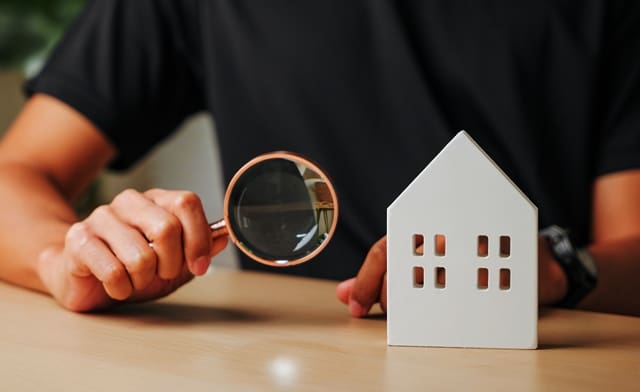
Buying a home is a major investment, and a professional home inspection is one of the most important steps buyers can take before closing. However, even the most thorough home inspector cannot identify every problem hidden inside or outside a property. A home inspection is generally a visual evaluation of accessible areas and components at the time of the inspection, rather than an exhaustive investigation of every possible defect. Some issues are concealed behind walls, beneath floors, inside plumbing systems, or underground where an inspector cannot reasonably access them. Understanding the limitations of a home inspection can help buyers make informed decisions and avoid assuming that an inspection report guarantees a problem-free home.
Inspectors Can Only See What Is Accessible
One of the biggest reasons an inspector cannot find every problem is that many parts of a home are inaccessible. Furniture, stored belongings, insulation, finished walls, flooring, landscaping, and other materials can prevent an inspector from seeing certain components. An inspector may report that an area was inaccessible rather than attempting to dismantle or damage a finished surface to investigate what is underneath it. Important components such as wiring inside walls, plumbing beneath concrete slabs, and structural framing behind drywall may remain hidden during a standard inspection. Buyers should carefully review the inspection report for areas that were not inspected because limited access can leave potential defects undiscovered.
Some Problems Only Appear Under Certain Conditions

Certain home defects are difficult to identify because they do not appear during a scheduled inspection. A roof may perform normally during a dry afternoon but leak during heavy rain or wind-driven storms. Plumbing problems may only become apparent when multiple fixtures operate simultaneously or when temperatures drop significantly. Heating and cooling equipment can also behave differently during extreme weather than it does during a mild inspection day. Because inspectors evaluate the property under the conditions present at the time, intermittent problems can remain hidden even when an inspection is performed carefully.
Hidden Water Damage Can Be Difficult to Detect
Water intrusion is one of the most common examples of a problem that may not be fully visible during an inspection. An inspector may identify staining, damaged materials, unusual moisture readings, or other warning signs, but the source of the water may be concealed or inactive. Previous leaks may also have been repaired or dried before the inspection, leaving little visible evidence of the original problem. Moisture can travel through building materials and appear far from the point where water originally entered the property. When an inspection reveals signs of moisture or suspected water intrusion, buyers may need additional evaluation from a qualified specialist to determine the extent and cause of the problem.
Electrical and Plumbing Systems Have Limitations
A standard home inspection can provide valuable information about visible electrical and plumbing components, but it does not necessarily reveal every problem within these systems. Inspectors typically cannot see wiring hidden inside walls or inspect every inch of a plumbing network. Older homes may contain outdated installations or modifications that require more specialized knowledge to evaluate completely. A plumbing system may also appear functional while having problems that only become noticeable under specific conditions or after extended use. If an inspector identifies a concern involving electrical or plumbing components, a licensed electrician or plumber may be appropriate for a more detailed assessment.
Termites and Other Pests May Require Specialists
A general home inspection can reveal visible evidence of some pest activity, but it is not necessarily a substitute for a specialized pest inspection. Termites, carpenter ants, wood-destroying insects, rodents, and other pests can occupy areas that are difficult to access or inspect visually. Some pest damage may be hidden inside structural components or may become noticeable only after substantial activity has occurred. A qualified pest professional can use specialized knowledge and inspection methods to evaluate suspected infestations or damage. Buyers should consider the inspection requirements and pest risks relevant to their location, particularly when purchasing an older home or a property with visible signs of moisture or wood damage.
Appliances Can Fail After the Inspection
Home inspections generally evaluate appliances based on their observable condition and operation at the time of the inspection. That does not mean an appliance will continue functioning indefinitely after the buyer moves in. A water heater, dishwasher, refrigerator, oven, or HVAC system can experience a mechanical failure days or weeks after an inspection even if it operated normally beforehand. The age and maintenance history of major systems can provide useful context when considering their remaining service life. Buyers should distinguish between an inspection that reports an appliance is functioning at the time of inspection and a warranty that guarantees future performance.
Structural Problems May Require Specialized Expertise
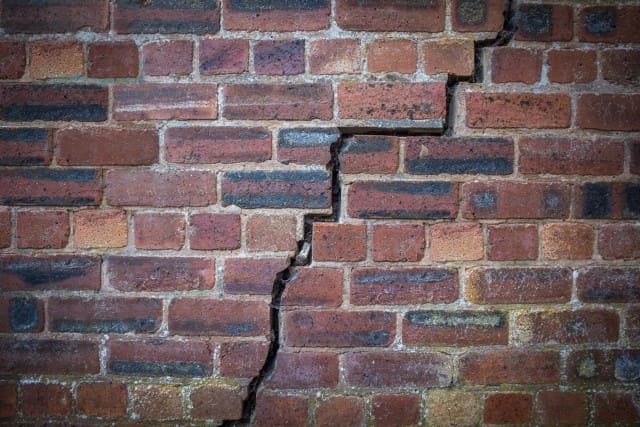
Home inspectors can identify many visible signs that may suggest structural concerns, but they are not always performing a comprehensive structural engineering analysis. Foundation cracks, uneven floors, sticking doors, water damage, or other conditions may have several possible causes. Determining whether a condition represents normal settlement or a significant structural issue may require additional investigation. A structural engineer or other qualified specialist can evaluate certain concerns in greater depth when circumstances warrant it. Buyers should pay close attention when an inspection report recommends further evaluation rather than assuming that a general inspection has resolved the issue.
The Roof Is Not Always Fully Visible
Roof inspections have practical limitations because inspectors must consider safety, accessibility, weather, roof design, and the condition of the roofing materials. An inspector may examine the roof from the ground, a ladder, accessible portions of the roof surface, or other vantage points depending on the property. Small openings, deteriorated flashing, concealed leaks, or developing problems may not be apparent during the inspection. Roofing materials can also deteriorate beneath surfaces that appear relatively normal from a visual examination. When a roof is older, difficult to access, or shows signs of concern, a professional roofing contractor may provide additional information.
Buyers Should Consider Additional Inspections When Needed
A standard inspection is an important starting point, but some properties may justify additional specialized inspections. Older homes, properties with pools, homes on septic systems, houses with wells, and properties showing signs of foundation movement may require additional expertise. Buyers may also consider specialized evaluations for chimneys, roofs, HVAC systems, mold, pests, drainage, or other areas when concerns arise. The appropriate follow-up depends on the property’s age, condition, location, construction, and information revealed during the inspection process. Spending additional money on targeted evaluations can provide valuable information when a potential problem could result in significant future repair costs.
Read the Entire Inspection Report Carefully
An inspection report contains more than a simple list of major defects, so buyers should take time to read the complete document. Contacting your real estate agent will help you determine the proper reaction to items specified on the report. Reports commonly identify maintenance concerns, safety observations, limitations, components that were not inspected, and recommendations for further evaluation. A buyer who focuses only on the most dramatic findings may overlook important information contained in the report’s descriptions and exclusions. Pay particular attention to statements indicating that an area was inaccessible, a system was not fully evaluated, or a specialist should conduct additional testing. Asking questions about unclear findings can help buyers better understand the property’s condition before making decisions about the transaction.
A Real Estate Agent Can Help You Respond to Inspection Findings

Hiring a knowledgeable real estate agent can be especially beneficial when an inspection report contains numerous observations, recommendations, or potential concerns. An agent can help buyers understand which findings may affect the transaction, coordinate communication with the seller, and help organize requests for repairs or additional evaluations. Experienced agents can also help buyers distinguish between routine maintenance observations and issues that may warrant professional attention, while recognizing that they are not substitutes for licensed inspectors or specialized contractors. During negotiations, an agent can help buyers understand the contractual process and communicate their concerns clearly. Having professional guidance throughout the inspection period can make it easier to respond thoughtfully rather than making decisions based solely on the length or appearance of an inspection report.
An Inspection Helps Reduce Risk Rather Than Eliminate It
The purpose of a home inspection is not to predict every future repair or guarantee that a property has no defects. Instead, it gives buyers an informed snapshot of the home’s observable condition and can reveal issues that deserve attention before closing. Even a thorough inspection cannot eliminate the possibility of hidden defects, unexpected failures, or problems that develop later. Buyers who understand this limitation can use the inspection report as one part of a broader due diligence process. Combining a professional inspection with appropriate specialized evaluations, careful document review, and guidance from qualified professionals can help reduce the risk of unpleasant surprises.
Conclusion: Know What a Home Inspection Can and Cannot Reveal
A home inspection is an essential part of many real estate transactions, but it should not be viewed as a guarantee that every defect will be discovered. Hidden components, inaccessible areas, intermittent problems, weather conditions, and specialized systems can all limit what an inspector can identify during a standard inspection. Buyers can protect themselves by carefully reviewing the report, asking questions, and pursuing additional professional evaluations when warning signs appear. Working with an experienced real estate agent can also help buyers navigate the inspection period and respond appropriately to issues that arise. The better buyers understand the limitations of an inspection, the better prepared they can be to make informed decisions about one of their largest financial investments.
#HomeInspection #HomeBuying #RealEstateTips #HomeBuyerTips #PropertyInspection #RealEstateAdvice #BuyingAHome #HomeInspectionReport #RealEstateAgent #DueDiligence

For a copy of our home buying process, please fill out the form on this page. The guide will be emailed immediately.
If you are looking for assistance in the metro Atlanta area, please reach out to us. We would love the opportunity to help you with your home purchase or sale.
If you are in another part of the country, we may be able to refer you to an agent in your market.
