
Deciding when to sell your home is one of the most important financial decisions you can make as a homeowner. You may be tempted to wait for higher home prices, lower mortgage rates, or a more favorable real estate market before putting your property up for sale. However, waiting does not always lead to a better financial outcome. Every additional month you own your home can bring expenses, unexpected repairs, and changes in market conditions that affect your potential profit. Understanding the hidden costs of waiting to sell your home can help you make a more informed decision and determine whether listing your property sooner could be the smarter financial move.
The Ongoing Cost of Owning Your Home
One of the most overlooked costs of delaying a home sale is the expense of maintaining your property while you wait for the right time to list it. Mortgage payments, property taxes, homeowners insurance, utilities, and routine maintenance continue to add up regardless of whether your home’s value increases. Even homeowners who have paid off their mortgages must account for taxes, insurance, landscaping, pest control, and other ongoing expenses. These carrying costs can become substantial over several months, reducing the financial benefit of a potentially higher future sale price. Before deciding to wait, calculate how much it costs to own your home each month and compare that amount with the additional profit you realistically expect to gain by delaying your sale.
Rising Maintenance and Repair Expenses
Home maintenance costs can increase the longer you remain in your property, particularly if major systems or structural components are approaching the end of their useful lives. A small roof leak, aging water heater, malfunctioning HVAC system, or minor plumbing issue can become a more expensive problem if it goes unnoticed or is left unresolved. Seasonal weather conditions can also create additional expenses, from storm damage and drainage problems to landscaping repairs and exterior maintenance. Waiting to sell may give you more time to complete improvements, but it can also expose you to unexpected repair bills that diminish your proceeds. A professional home evaluation and a realistic maintenance budget can help you determine which repairs are worth addressing before listing and whether delaying your sale makes financial sense.
Property Taxes, Insurance, and Utility Bills

Property taxes, homeowners insurance, and utility bills represent recurring expenses that can quietly reduce the financial return on your home. Depending on your location, property taxes may increase as assessments change, while homeowners insurance premiums can rise because of broader insurance market conditions or property-specific risks. Even when a home is vacant or occupied less frequently, you may need to maintain electricity, water, heating, cooling, and other essential services to protect the property. These expenses can be especially burdensome if you have already purchased another home or moved to a different city and are paying for two properties. Reviewing your monthly ownership costs can reveal how much money you could save by selling sooner rather than continuing to carry expenses while waiting for a more favorable market.
Market Changes Can Reduce Your Home’s Value
Many homeowners delay selling because they believe property values will continue to rise, but real estate markets do not move in a straight line. Local inventory, buyer demand, mortgage rates, employment trends, and economic uncertainty can influence how much buyers are willing to pay. If more competing homes enter the market while demand weakens, your property may take longer to sell or require a price adjustment to attract serious offers. Even if home values rise overall, your specific neighborhood or property type may experience different conditions from the broader market. Monitoring recent comparable sales and local market trends with a real estate professional can help you evaluate whether waiting offers a realistic financial advantage or introduces unnecessary risk.
Mortgage Rates and Buyer Affordability Affect Demand
Mortgage interest rates can influence the number of buyers who qualify for financing and the prices they can comfortably afford. When rates increase, some prospective buyers may postpone their purchases, reduce their budgets, or compete for less expensive properties. Lower rates can improve affordability for some buyers, potentially increasing demand, but the timing and size of these changes are difficult to predict. Waiting for interest rates to fall may seem appealing, yet sellers cannot guarantee when rates will change or how those changes will affect local home prices and competition. Instead of basing your selling decision on a mortgage-rate forecast alone, evaluate current buyer activity, comparable sales, inventory levels, and the cost of continuing to own your property.
Delaying Your Move Can Create Additional Financial Pressure
Waiting to sell can become particularly expensive when your next life stage depends on the equity tied up in your current home. You may need proceeds from your sale to fund a down payment, relocate for a job, reduce debt, support a growing family, or purchase a more suitable property. Delays can force you to rely on savings, take on additional borrowing, or postpone plans that could otherwise improve your financial situation. If you have already purchased another home, carrying two mortgages and two sets of ownership expenses can put considerable pressure on your monthly budget. Establishing a realistic timeline and understanding your available equity can help you weigh the potential benefit of waiting against the financial flexibility you could gain by selling now.
Seasonal Timing Can Influence Your Selling Strategy
Some homeowners assume they must wait until spring or summer to sell because those seasons are traditionally associated with increased real estate activity. While seasonal patterns can influence buyer behavior, the best time to list depends on local market conditions, your property’s features, and the competition in your price range. In some markets, fewer competing listings during a slower season may help a well-presented property stand out, while other areas may experience stronger buyer demand at different times of the year. Delaying a sale solely to reach a preferred season could mean paying several additional months of taxes, insurance, utilities, and maintenance costs. Rather than following a universal seasonal rule, evaluate current local inventory, recent sales, buyer activity, and your own financial timeline before deciding when to list your home.
How Hiring a Real Estate Agent Can Help You Avoid Costly Delays
Working with an experienced real estate agent can help you determine whether selling now or waiting is more likely to support your financial goals. A knowledgeable agent can prepare a comparative market analysis, review recent neighborhood sales, evaluate competing listings, and explain how current buyer demand may affect your property’s pricing strategy. Your agent can also identify improvements that may strengthen your home’s appeal without encouraging you to spend money on unnecessary renovations. Professional guidance can help you establish a realistic listing price, develop an effective marketing plan, and respond strategically to buyer feedback instead of allowing a listing to linger on the market. By understanding your home’s potential sale price, estimated selling expenses, and ongoing ownership costs, you can make a more informed decision about timing and avoid letting uncertainty unnecessarily delay your next move.
The Opportunity Cost of Keeping Your Equity Tied Up
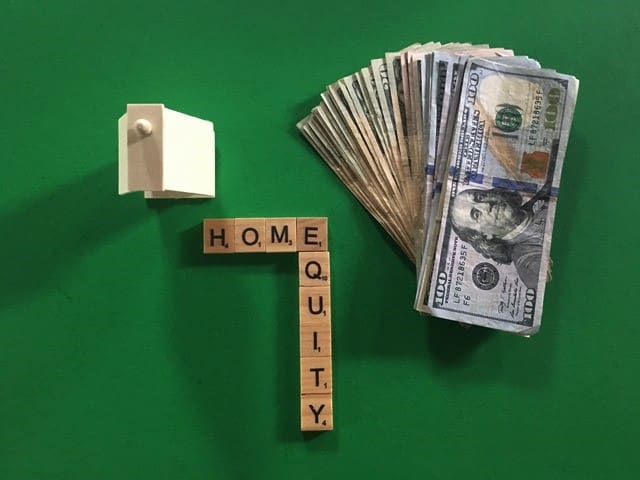
Your home equity represents a significant financial resource, and delaying a sale can limit how you use that money for other priorities. The funds tied up in your property might otherwise support a down payment on another home, help reduce high-interest debt, cover relocation expenses, or contribute to other financial goals. Although selling involves transaction expenses and moving costs, keeping your home longer also has a price that deserves careful consideration. The opportunity cost becomes more significant when you have a clear alternative use for your equity and waiting does not provide a measurable financial advantage. Comparing the estimated proceeds from a sale today with the projected proceeds after several more months can help you make a decision based on your broader financial objectives rather than home-price expectations alone.
Calculate the True Cost of Waiting Before You Decide
Before postponing your home sale, estimate the total cost of owning your property for the additional period you are considering. Include mortgage interest, property taxes, homeowners insurance, utilities, routine maintenance, anticipated repairs, and any expenses associated with carrying another residence. Next, discuss a realistic selling price with a local real estate agent and estimate your potential net proceeds after transaction costs and any outstanding mortgage balance. You can then compare that estimate with a future scenario that accounts for additional ownership expenses and several possible market outcomes, including flat prices, price increases, or a decline in demand. This exercise will not predict the future with certainty, but it can replace assumptions with practical numbers and help you decide whether waiting is worth the financial risk.
Conclusion: Make Your Home-Selling Decision With Confidence
Waiting to sell your home may seem like a way to maximize your profit, but the hidden costs can gradually reduce the financial benefit of delaying your decision. Ongoing ownership expenses, unexpected repairs, changing market conditions, and the opportunity cost of inaccessible equity can all affect your final financial outcome. The right time to sell depends on your personal circumstances, local real estate trends, property condition, and the amount you can reasonably expect to receive from a sale. Rather than assuming that a higher future sale price will automatically leave you better off, consider the full cost of keeping your property and compare it with the benefits of moving forward. With careful planning, realistic financial projections, and guidance from a qualified real estate agent, you can choose a selling timeline that supports your goals and helps protect the equity you have worked hard to build.
Hashtags: #SellingYourHome #RealEstateTips #HomeSellingTips #RealEstateMarket #HomeSellerAdvice #HomeEquity #SellingAHouse #RealEstateAgent #HomeSellingCosts #PropertyValue