
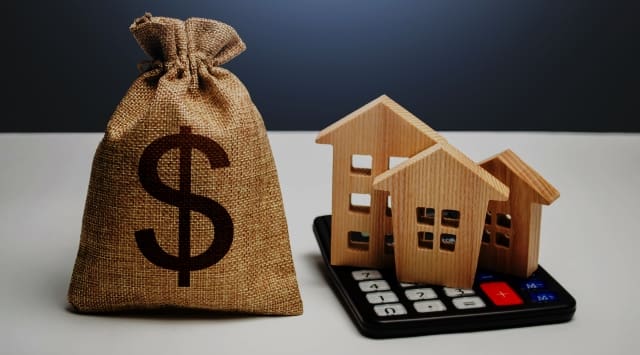
Buying a home is one of the most significant financial decisions you will make, and its future resale potential should be an important part of your decision-making process. While finding a property that meets your current needs is essential, considering how easily it might sell in the future can help protect your investment. A beautiful home with desirable features may seem like the perfect purchase today, but certain characteristics could make it difficult to attract buyers when you eventually decide to sell. Factors such as location, neighborhood development, property condition, and changing buyer preferences can significantly influence a home’s long-term marketability. Understanding how to evaluate a home’s future resale potential before making an offer allows you to balance your immediate housing needs with your long-term financial goals.
Evaluate the Location and Neighborhood Desirability
Location remains one of the most influential factors affecting a home’s resale value because it is something you cannot change after purchasing the property. Homes located near employment centers, shopping districts, restaurants, parks, and transportation routes often appeal to a broader range of potential buyers. Neighborhoods with well-maintained properties, attractive streetscapes, and convenient amenities may also maintain stronger buyer interest over time. However, it is important to investigate potential drawbacks such as heavy traffic, excessive noise, nearby industrial activity, or limited accessibility. An experienced local real estate agent can provide valuable insight into neighborhood demand, nearby amenities, and location-related concerns that may not be obvious during a showing. Before making an offer, explore the neighborhood at different times of the day and research local development plans to determine whether the surrounding area is likely to remain desirable.
Consider the Home’s Floor Plan and Functional Layout
A home’s layout can have a significant impact on its future resale potential because buyers often prioritize functionality over decorative details. Properties with practical floor plans, comfortable living spaces, adequate storage, and conveniently located bedrooms tend to appeal to a wider audience. Awkward room configurations, unusually small bedrooms, limited bathrooms, or excessive wasted space can make a property less attractive when it returns to the market. Open living areas, flexible rooms, and functional kitchens may offer additional appeal, although preferences vary depending on the neighborhood and target buyer demographic. When evaluating a property, consider whether its layout would work for different types of households rather than focusing exclusively on your personal preferences.
Look for Features That Appeal to a Broad Range of Buyers
Certain home features can improve resale marketability by making a property attractive to more potential purchasers. Adequate parking, sufficient closet space, natural light, usable outdoor areas, and well-designed kitchens are frequently important considerations for buyers. Homes with flexible spaces that can function as home offices, guest bedrooms, or recreational areas may also appeal to households with changing needs. Conversely, highly customized features such as unusual architectural modifications, converted garages, or extremely specialized rooms can limit buyer interest if they reduce everyday functionality. Before making an offer, distinguish between improvements that add broad market appeal and personal upgrades that may not translate into higher resale value.
Examine the Property’s Age, Condition, and Maintenance Requirements
The physical condition of a home plays an important role in determining both its current value and future resale potential. Major components such as the roof, foundation, HVAC system, plumbing, and electrical systems can create substantial expenses when repairs or replacements become necessary. Older homes can offer excellent long-term value, but buyers should carefully evaluate deferred maintenance and outdated systems before committing to a purchase. A professional home inspection can help identify visible defects and potential concerns, although inspections cannot guarantee that every problem will be discovered. Your real estate agent can help coordinate inspections, recommend appropriate specialists when additional evaluations are needed, and assist with negotiating repairs or seller concessions based on the findings. Understanding the property’s condition allows you to estimate future ownership costs and determine whether necessary improvements could affect your ability to sell competitively later.
Research Historical Property Values and Market Trends

Understanding how property values have changed over time can provide valuable insight into a home’s potential resale performance. Review recent comparable sales, historical selling prices, average days on market, and neighborhood inventory levels to identify patterns in buyer demand. A neighborhood experiencing consistent demand and relatively stable property values may offer greater confidence than one with unpredictable pricing fluctuations. Your real estate agent can prepare a comparative market analysis that examines recent sales, competing listings, and pricing trends to help determine whether the property is reasonably priced. However, past appreciation does not guarantee future growth, especially when mortgage rates, employment conditions, and housing supply change. Comparing the property’s asking price with similar homes that have recently sold can help determine whether you are purchasing at a reasonable price or potentially overpaying for features that future buyers may not value.
Investigate Future Development and Neighborhood Changes
Planned development can influence property values, sometimes creating opportunities and sometimes introducing unexpected challenges. New shopping centers, parks, transportation improvements, and employment opportunities may increase neighborhood convenience and attract additional buyers. However, proposed highways, large commercial buildings, industrial facilities, or high-density developments could affect traffic, noise, privacy, and neighborhood character. Research local zoning regulations, municipal planning documents, and approved construction projects to understand what changes may occur near the property. While future development does not guarantee appreciation or depreciation, knowing what is planned can help you avoid purchasing a home without understanding potential changes to its surroundings.
Pay Attention to Lot Characteristics and Surrounding Properties
The land surrounding a home can influence its resale appeal just as much as the house itself. Lot size, topography, drainage, privacy, outdoor usability, and proximity to neighboring structures all contribute to how buyers perceive a property. Homes located on extremely steep lots, near busy intersections, or directly adjacent to commercial activity may appeal to fewer buyers than comparable properties with more conventional settings. Unusual lot shapes, shared driveways, limited parking, and restrictive easements can also create complications that affect future marketability. Before submitting an offer, examine the property’s survey when available, review relevant restrictions, and consider whether its lot characteristics would be attractive to typical buyers in that neighborhood.
Evaluate HOA Restrictions, Property Taxes, and Ownership Costs
A home’s future resale potential depends partly on whether prospective buyers can comfortably afford the total cost of ownership. Property taxes, homeowners insurance, HOA dues, and ongoing maintenance expenses can influence affordability and reduce the number of qualified buyers interested in a property. Communities with well-managed homeowners associations and attractive shared amenities may appeal to certain buyers, while high fees or restrictive regulations may discourage others. It is important to review HOA financial information, rental restrictions, special assessments, and community rules before making a purchase decision. Understanding these financial obligations helps you evaluate whether the property is likely to remain competitive with similar homes offering lower ongoing expenses.
Identify Potential Red Flags That Could Limit Future Resale Value
Some property characteristics may appear insignificant during an initial showing but become major obstacles when selling the home later. Examples include a history of flooding, unresolved structural concerns, unpermitted additions, unusual property access, and persistent neighborhood noise. Homes with major functional limitations or highly unconventional designs may also require longer marketing periods or price adjustments to attract buyers. Another warning sign is a property priced substantially above comparable homes without clear improvements or features that justify the difference. An experienced real estate agent may recognize resale challenges based on previous transactions and help you investigate concerns before committing to the purchase. Identifying these potential obstacles early allows you to negotiate appropriately or reconsider whether the property represents a sound long-term investment.
Compare the Home Against Similar Properties in the Neighborhood
One of the most effective ways to evaluate future resale potential is to compare the property with other homes competing for the same buyers. Look at similar properties based on square footage, age, condition, bedroom count, lot size, and location rather than relying exclusively on neighborhood averages. A home that is significantly larger or more expensive than surrounding properties may face limitations because future buyers could prefer a different neighborhood at the same price point. Likewise, a modest home in a desirable area may offer renovation opportunities, provided the purchase price and improvement costs remain reasonable. Your real estate agent can help identify appropriate comparable properties and explain how differences in condition, upgrades, and location influence market value. Studying comparable properties helps you understand which features buyers currently value and whether the home you are considering is positioned competitively within its market.
Understand How School Districts Can Affect Resale Demand

School district boundaries can influence housing demand even for buyers who do not currently have school-aged children. Homes located within highly sought-after school attendance zones may attract additional interest from households that prioritize educational options. However, school assignments, enrollment policies, and district boundaries can change, making it important to verify current information directly with the appropriate school system. Buyers should also recognize that school quality is only one factor influencing neighborhood desirability and that preferences differ among households. Evaluating school-related demand alongside transportation access, affordability, amenities, and property condition provides a more complete picture of potential resale marketability.
Consider Your Expected Ownership Timeline
How long you plan to own a home should influence the importance you place on its future resale potential. Buyers expecting to relocate within a few years may need to prioritize properties with broad appeal and relatively predictable resale demand. Short ownership periods can be financially challenging because transaction costs, market fluctuations, and selling expenses may offset any appreciation. Buyers planning to remain in a property for many years may have greater flexibility to prioritize personal preferences, although resale considerations should still remain part of the decision. Evaluating your expected ownership timeline helps you determine how much risk you are comfortable accepting and whether the property supports your long-term financial plans.
Calculate Whether the Purchase Price Supports Future Resale Opportunities
Even a highly desirable home can become a questionable investment if the purchase price is too high. Before making an offer, compare the property’s market value with its asking price and consider whether any necessary repairs or improvements will increase your total investment beyond what the neighborhood typically supports. For example, purchasing a home for $400,000 and spending another $75,000 on renovations does not automatically mean the property will be worth $475,000 or more. Renovation costs, financing expenses, and future selling costs should all be considered when evaluating potential financial returns. A disciplined purchasing strategy focuses on paying a price supported by current market evidence rather than assuming future appreciation will compensate for overpaying.
Understand How Hiring a Real Estate Agent Can Protect Your Investment
Working with an experienced real estate agent can provide valuable insight when evaluating a home’s future resale potential before making an offer. A knowledgeable local agent can analyze comparable sales, identify neighborhood pricing trends, and explain which property characteristics typically attract buyers in a particular market. Agents can also help recognize potential resale challenges, including unusual floor plans, unfavorable locations, excessive pricing, and improvements that may not provide a strong return. Their experience with buyer preferences and local market conditions can help you distinguish between cosmetic issues and characteristics that could limit future demand. A real estate agent can also develop an offer strategy that considers the home’s current market value, anticipated repair expenses, and potential resale limitations rather than focusing exclusively on the asking price. By combining professional market analysis with strategic negotiation guidance, an agent can help you make a more informed purchase decision while protecting your long-term financial interests.
Conclusion: Buy a Home You Love Without Ignoring Its Future Value
Evaluating a home’s future resale potential before making an offer is an essential step toward making a confident and financially responsible purchasing decision. While no one can predict exactly how the housing market will perform, researching location, neighborhood trends, property condition, buyer preferences, and ownership expenses can help reduce unnecessary risks. The strongest purchase decisions balance personal comfort and lifestyle needs with features that are likely to remain attractive to future buyers. Taking time to compare properties, investigate potential concerns, and work with an experienced real estate agent can help you identify opportunities and avoid costly mistakes. Ultimately, choosing a home with strong resale potential gives you greater flexibility when your circumstances change and improves your chances of protecting your investment when it is time to sell.
#HomeBuyingTips #HomeResaleValue #RealEstateAdvice #HomeBuyingGuide #PropertyValue #RealEstateInvestment #HomeBuyerTips #ResalePotential #SmartHomeBuying #PropertyInvestment #RealEstateMarket #HomeBuyingStrategy #FutureHomeValue #HouseHunting #RealEstateTips

For a copy of our home buying process, please fill out the form on this page. The guide will be emailed immediately.
If you are looking for assistance in the metro Atlanta area, please reach out to us. We would love the opportunity to help you with your home purchase or sale.
If you are in another part of the country, we may be able to refer you to an agent in your market.
