
When shopping for a home, buyers often begin their search with a list of desired features, including the number of bedrooms, bathrooms, square footage, and outdoor space. However, finding a property that checks every box can be difficult, especially in desirable neighborhoods where home prices are higher. This often creates an important decision: Should you purchase a larger home in a less convenient area or choose a smaller home in a location that better supports your lifestyle? Although extra square footage can provide flexibility, the benefits of a great location may have a greater impact on everyday satisfaction. Shorter commutes, nearby amenities, established neighborhoods, and convenient access to everyday necessities can make a smaller property feel like the better investment.
The Everyday Benefits of Living in a Better Location
A desirable neighborhood can improve daily life in ways that are difficult to measure through square footage alone. Living closer to work, grocery stores, restaurants, medical facilities, parks, and entertainment can reduce the amount of time spent traveling between destinations. This convenience may create more opportunities to spend time with family, pursue hobbies, or simply enjoy a less hectic schedule. Buyers who prioritize walkability may also appreciate being able to run errands, exercise, or meet friends without always relying on a vehicle. Before choosing a larger property farther away, consider how much time and convenience a better location could add to your everyday routine.
Understanding What You Give Up When Choosing a Smaller Home
Choosing a smaller home requires buyers to think carefully about how they use their living space. Fewer bedrooms, limited storage, smaller closets, and compact kitchens may require adjustments to established routines. Buyers who work remotely, entertain frequently, or have growing families should consider whether the available space will accommodate their needs. However, a smaller home does not necessarily mean sacrificing comfort or functionality, particularly when the floor plan makes efficient use of every square foot. An experienced real estate agent can help identify properties with practical layouts, flexible living areas, and storage solutions that make smaller homes more appealing.
Comparing the Financial Benefits of Location Versus Size

The purchase price is only one part of the financial decision when comparing a larger home in a less desirable area with a smaller property in a sought-after neighborhood. Larger homes typically have higher utility expenses, increased maintenance requirements, and potentially greater property tax obligations. A smaller home may offer lower heating and cooling costs, fewer rooms to maintain, and less money spent on furnishings and repairs. However, desirable locations can command premium prices, so buyers should carefully evaluate whether the additional cost is justified by the neighborhood’s amenities and long-term appeal. A real estate agent can provide comparable sales data and explain local pricing trends to help buyers determine whether a smaller home represents a reasonable purchase.
How Neighborhood Amenities Can Improve Your Lifestyle
One of the strongest arguments for choosing location over square footage is the access to amenities that make everyday living more enjoyable. Neighborhoods near parks, walking trails, shopping districts, restaurants, libraries, and recreational facilities can provide opportunities that a larger home in a remote location may not offer. Families may appreciate convenient access to schools, childcare, and extracurricular activities, while professionals may prioritize proximity to employment centers and public transportation. Retirees might place greater importance on healthcare facilities, walkability, and nearby social opportunities. Before making an offer, consider which amenities you will realistically use and whether having them nearby would make your daily life easier.
Evaluating Commute Times and Transportation Options
A long commute can become one of the biggest disadvantages of choosing a larger home in a less convenient location. Even an additional 20 or 30 minutes each way can add up to several hours every week, reducing the time available for personal responsibilities and recreational activities. Buyers should consider their current workplace, potential job changes, school transportation, and access to major roads or public transportation. Traffic patterns can also vary significantly depending on the time of day, making it important to evaluate actual travel conditions rather than relying entirely on estimated distances. A knowledgeable real estate agent can help buyers compare neighborhoods based on commuting convenience and identify locations that support both current and anticipated transportation needs.
Considering Future Resale Value and Buyer Demand
Location is an important consideration when evaluating a home’s potential resale value. Properties in desirable neighborhoods may attract a broader pool of buyers because of their proximity to employment opportunities, shopping, schools, recreation, and other conveniences. While market conditions can change, established neighborhoods with strong demand may offer advantages when it is time to sell. Buyers should also evaluate nearby development plans, infrastructure improvements, zoning changes, and other factors that could influence the area’s future appeal. An experienced real estate agent can analyze neighborhood sales trends, inventory levels, and buyer demand to help determine whether a smaller home in a particular location has promising resale potential.
Looking Beyond the House to Evaluate the Neighborhood
A home should never be evaluated independently of the surrounding neighborhood. Buyers should explore the area at different times of day and on different days of the week to understand traffic, noise levels, parking availability, and general activity. Pay attention to sidewalk conditions, street lighting, property maintenance, nearby commercial activity, and the overall appearance of surrounding homes. It is also important to research potential concerns such as planned construction, flood risks, restrictive covenants, and homeowners association requirements. An experienced real estate agent can help identify relevant property and neighborhood considerations, recommend appropriate due diligence, and guide buyers toward questions they should investigate before committing to a purchase.
Determining Whether the Smaller Floor Plan Will Meet Your Needs
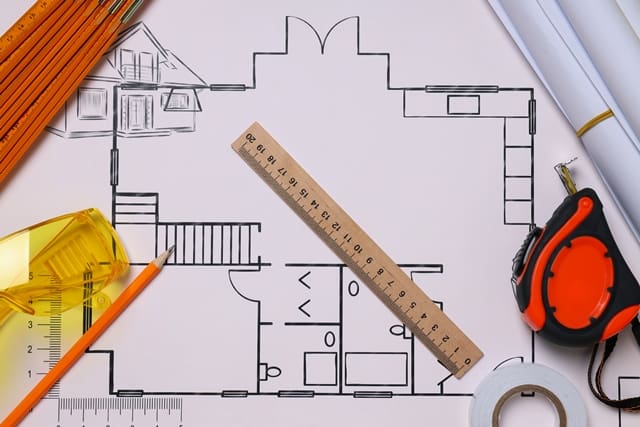
Before choosing a smaller home, buyers should consider how their space requirements may change over the next several years. A home that feels comfortable for one person or a couple today may become restrictive if a family grows, relatives move in, or work-from-home needs increase. Think about whether additional bedrooms, dedicated office space, outdoor areas, or storage will be necessary in the future. Flexible rooms, finished basements, bonus spaces, and thoughtfully designed open floor plans can help smaller homes accommodate changing lifestyles. A real estate agent can help evaluate floor plans and point out opportunities or limitations that may not be immediately obvious during a showing.
Why an Experienced Real Estate Agent Matters When Choosing Location Over Size
Deciding whether to purchase a smaller home in a better neighborhood involves more than comparing listing prices and square footage. An experienced real estate agent understands how location, neighborhood demand, property condition, and local market trends influence a home’s overall value. This expertise can help buyers distinguish between neighborhoods that offer genuine long-term advantages and those that simply carry a higher price tag. An agent can also identify properties that may offer better layouts, hidden potential, or opportunities to negotiate a more favorable purchase price. Most importantly, professional representation helps buyers evaluate the complete picture so they can make a confident decision based on their lifestyle, financial goals, and future plans.
Finding the Right Balance Between Home Size and Location
The best home purchase is not necessarily the largest property a buyer can afford. Instead, it is the home that provides the right combination of comfort, convenience, affordability, and long-term practicality. Some buyers may benefit more from additional bedrooms and outdoor space, while others may place greater value on walkability, shorter commutes, and access to neighborhood amenities. Creating a list of nonnegotiable features can help clarify which compromises are acceptable and which could create frustration over time. Buyers should also consider whether they would rather spend money maintaining additional square footage or enjoy the lifestyle benefits of living in a more convenient location. Taking the time to compare these priorities can lead to a purchase that feels rewarding long after moving day.
Making a Smart Home Buying Decision for Your Future
Choosing between a smaller home in a desirable neighborhood and a larger property in a less convenient location is ultimately a personal decision. The right choice depends on your budget, household needs, daily routines, and expectations for the future. While extra space can provide comfort and flexibility, a better location may deliver benefits that influence nearly every aspect of everyday living. Buyers who carefully evaluate commute times, neighborhood amenities, resale potential, and the functionality of the home can make a more informed decision. With thoughtful planning and guidance from an experienced real estate agent, you can find a property that supports your lifestyle without assuming that more square footage always means a better home.
#HomeBuying #RealEstateTips #LocationMatters #HomeBuyerAdvice #NeighborhoodLiving #HomeBuyingDecisions #RealEstateMarket #PropertyValue #SmallerHomes #HomeBuyingStrategy