
Buying a home is one of the largest financial decisions most people will make, but the property itself is only part of the equation. Even a beautifully maintained house in an attractive neighborhood can come with hidden issues that affect your quality of life, future expenses, and resale value. Some neighborhood problems are easy to overlook during a quick showing, especially when buyers are focused on the kitchen, bathrooms, and overall condition of the home. From recurring drainage issues to excessive traffic and poorly maintained neighboring properties, these warning signs can reveal important details about what it might be like to live there. Understanding the hidden neighborhood red flags every buyer should watch for can help you make a more informed decision and avoid costly surprises after closing.
Limited Parking and Overcrowded Streets
Parking problems can become a daily frustration, particularly in neighborhoods with narrow streets, small driveways, limited guest spaces, or a high concentration of rental properties. During your visits, notice whether residents regularly park on sidewalks, block intersections, occupy shared spaces, or leave little room for emergency vehicles and delivery services. Consider how the situation might change when friends visit, household members acquire additional vehicles, or nearby homes undergo renovation. Review local parking regulations and any HOA restrictions that may affect overnight parking, commercial vehicles, or guest access. If parking is essential to your lifestyle, verify the property’s actual parking rights and capacity rather than assuming that available street space will always be convenient.
Poor Drainage and Signs of Recurring Flooding
Water problems are among the most important neighborhood red flags to investigate before purchasing a home. Look for standing water near roads, soggy lawns, eroded landscaping, clogged storm drains, and unusual discoloration along curbs or sidewalks. These conditions may indicate inadequate drainage, although recent rainfall or temporary maintenance issues can also contribute to them. Ask whether nearby streets or properties have experienced flooding, and research local flood maps, drainage infrastructure, and applicable insurance requirements. A real estate agent can help you identify questions to ask, locate relevant property information, and determine when additional inspections or professional assessments may be appropriate.
Neglected Properties and Declining Curb Appeal
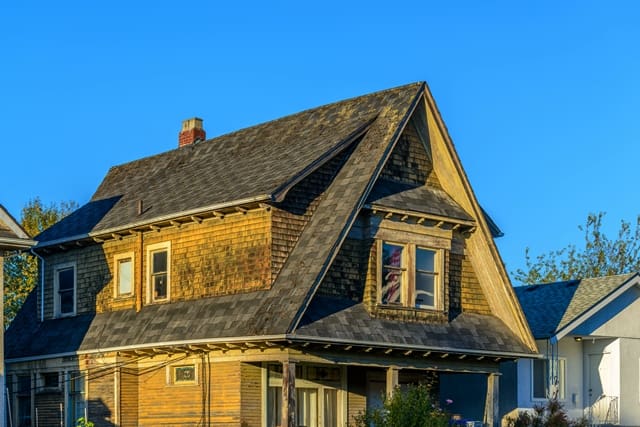
One neglected property does not necessarily indicate a troubled neighborhood, but a pattern of poorly maintained homes deserves closer attention. Watch for multiple overgrown lawns, deteriorating roofs, abandoned vehicles, accumulating trash, broken fences, or properties that appear vacant for extended periods. These conditions can sometimes reflect financial challenges, absentee ownership, unresolved maintenance disputes, or inconsistent neighborhood upkeep. They may also be temporary situations caused by renovations, illness, or other circumstances that are not immediately visible to prospective buyers. Before drawing conclusions, visit the area more than once, examine recent sales trends, and ask your real estate agent about observable changes in the neighborhood.
Limited Access to Essential Services and Amenities
A neighborhood may look appealing but prove inconvenient if everyday necessities are difficult to reach. Consider the distance to grocery stores, healthcare providers, pharmacies, schools, public transportation, parks, and other amenities that matter to your household. Pay attention to whether sidewalks, bike lanes, transit stops, and accessible routes make these destinations practical without driving everywhere. Buyers should also investigate whether nearby schools, medical facilities, or public transportation options are expected to change, since services and routes can evolve over time. Evaluating convenience based on your actual daily routine can help you avoid buying a home in a location that becomes frustrating or expensive to navigate.
Unusual Traffic Patterns and Road Safety Concerns
A quiet street during an afternoon showing may become significantly busier during rush hour, school drop-off, or weekend events. Pay attention to speeding vehicles, limited sidewalks, dangerous intersections, inadequate street lighting, and the absence of safe pedestrian crossings. If the property is near a major road, consider whether traffic noise, exhaust, and difficulty entering or exiting the neighborhood could affect your daily routine. Check whether planned road expansions, commercial developments, or new residential construction could change traffic patterns in the future. Visiting at different times of day and reviewing local transportation plans can help you understand whether the neighborhood’s traffic conditions are manageable for your household.
Nearby Commercial or Industrial Development
An undeveloped parcel near your prospective home may seem harmless today, but future construction could substantially change the surrounding environment. New shopping centers, warehouses, industrial facilities, apartment complexes, and major infrastructure projects can affect traffic, noise, privacy, and the overall character of a neighborhood. Development can also bring useful amenities, employment opportunities, and stronger demand for nearby housing, so its impact is not automatically negative. Review local zoning maps, comprehensive land-use plans, planning commission agendas, and publicly available development applications to identify projects that could affect the property. Your real estate agent can help you investigate available information and connect you with the appropriate local planning department when more detailed answers are needed.
Persistent Noise That Could Affect Daily Life
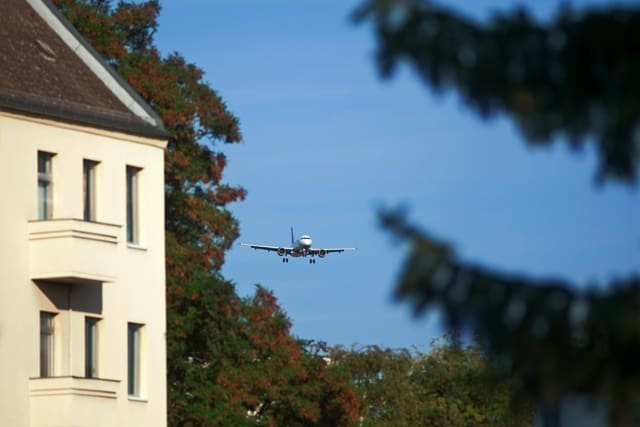
Noise pollution can be difficult to evaluate during a scheduled home tour because showings often occur at convenient times when surrounding activity is limited. Listen for sounds from nearby highways, airports, railways, industrial facilities, entertainment venues, schools, and busy commercial areas. Construction noise, late-night gatherings, barking dogs, and frequent emergency vehicle traffic may also influence your comfort, depending on the location and time of day. Visit the property in the early morning, during evening hours, and on a weekend to get a more realistic impression of the surrounding environment. If noise is a major concern, consider keeping a simple log of what you hear and researching applicable local noise ordinances before making an offer.
Poor Street Lighting and Potential Safety Concerns
Neighborhood safety involves more than statistics, and the physical environment can offer useful clues about how comfortable you may feel moving around after dark. Look for broken streetlights, poorly illuminated intersections, overgrown vegetation that blocks visibility, and sidewalks that force pedestrians into the roadway. These conditions do not prove that an area has a crime problem, but they can create practical concerns for walking, parking, and returning home at night. Review publicly available local crime data, consult official police department resources, and visit the area during both daylight and evening hours. Ask specific questions about lighting improvements, neighborhood maintenance, and planned infrastructure projects instead of relying exclusively on online comments or assumptions about the people who live nearby.
HOA Conflicts and Inconsistent Neighborhood Maintenance
For homes in communities governed by a homeowners association, the HOA can significantly influence maintenance standards, shared amenities, fees, and property ownership responsibilities. Warning signs may include visibly deteriorating common areas, neglected swimming pools, damaged private roads, unresolved landscaping problems, or repeated disputes about community rules. These issues can sometimes point to budget constraints, deferred maintenance, disagreements among residents, or ineffective management, although appearances alone cannot establish the cause. Request and carefully review relevant HOA documents, budgets, reserve information, meeting minutes, fee schedules, and disclosures before committing to a purchase. Your real estate agent can help you identify documents to request, while an attorney or other qualified professional can clarify legal obligations and potential financial risks.
Signs of Environmental or Air Quality Concerns
Environmental conditions can influence a home’s long-term appeal, maintenance requirements, and potential health considerations. Depending on the location, investigate nearby industrial operations, former commercial uses, contaminated sites, landfills, heavy truck routes, or other potential sources of environmental exposure. Unusual odors, persistent dust, discolored runoff, or repeated reports of environmental incidents may justify additional research, although none of these observations alone confirms contamination. Review relevant public environmental records and contact appropriate local, state, or federal agencies if you identify a specific concern. When warranted, consult qualified environmental professionals who can determine whether specialized testing or further investigation is appropriate for the property.
Neighborhood Changes That Could Affect Resale Value

A neighborhood does not have to look distressed to present potential resale challenges. Large increases in housing inventory, repeated price reductions, prolonged listing times, limited buyer demand, or a concentration of homes needing substantial repairs may deserve closer examination. However, these patterns can reflect broader market conditions, seasonal fluctuations, changing interest rates, or differences in property types rather than neighborhood decline. Review comparable home sales, recent listing activity, price trends, and the local employment and development outlook to understand the bigger picture. A knowledgeable real estate agent can help interpret these indicators and explain how location-specific factors might influence your home’s future marketability.
How to Investigate Neighborhood Red Flags Before Making an Offer
The best way to uncover hidden neighborhood problems is to combine direct observation with reliable research. Visit the area multiple times, talk with nearby residents when appropriate, examine public records, and review local planning and zoning information. Ask your real estate agent about recent sales, recurring property concerns, nearby development, and any relevant disclosures available through the transaction. Depending on the property and your concerns, you may also need a qualified home inspector, surveyor, drainage specialist, environmental professional, or attorney to investigate specific risks. Keep a written list of questions and unresolved concerns so you can address important issues before your contractual deadlines expire.
Why Hiring a Real Estate Agent Benefits Home Buyers
A qualified real estate agent can help you evaluate more than a home’s interior features and asking price. Local market knowledge can provide valuable context about neighborhood trends, nearby amenities, property values, traffic concerns, and proposed developments. An experienced agent can also help you identify questions to raise with the seller, locate available public records, understand relevant disclosures, and coordinate appropriate inspections during the buying process. While an agent cannot guarantee that every hidden neighborhood problem will be discovered, professional guidance can help you make better-informed decisions and recognize when independent expert advice is necessary. By combining an agent’s local knowledge with your own research and due diligence, you can approach your home purchase with greater confidence.
Conclusion: Choose a Neighborhood That Supports Your Future
Finding the right home means evaluating the surrounding neighborhood as carefully as the property itself. Drainage problems, persistent noise, neglected properties, unsafe road conditions, questionable development plans, and environmental concerns can all affect your daily experience and the long-term value of your investment. Not every warning sign indicates a serious problem, so take time to verify what you observe instead of making decisions based on appearances or rumors. Visit at different times, research reliable public information, ask informed questions, and seek professional advice whenever a concern requires specialized knowledge. By recognizing hidden neighborhood red flags before making an offer, you can protect your investment and choose a home that better fits your lifestyle, budget, and future goals.
#HomeBuying #NeighborhoodRedFlags #RealEstateTips #HomeBuyerTips #RealEstateInvesting #PropertyValue #HomeBuyingChecklist #RealEstateAdvice