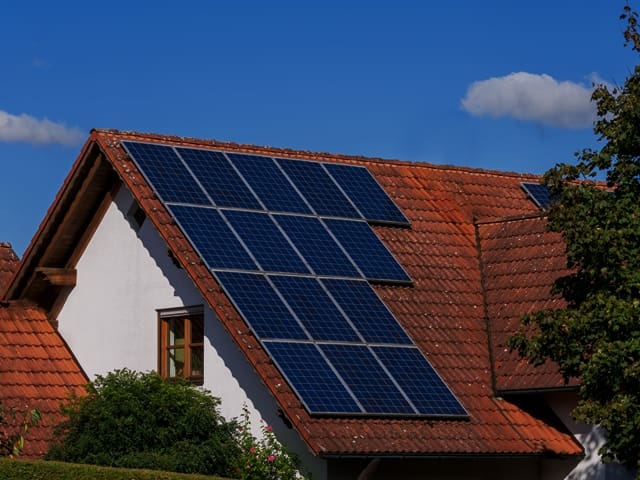
As energy costs continue to rise, many homeowners are asking whether solar power is truly a worthwhile investment. Advances in solar technology and improved financing options have made solar energy more accessible than ever before. At the same time, concerns about installation costs, maintenance, and return on investment leave many people uncertain about making the switch. Understanding both the advantages and limitations of residential solar systems can help homeowners make informed decisions. By evaluating financial, environmental, and practical considerations, homeowners can determine whether solar energy aligns with their long-term goals.
Understanding How Residential Solar Works
Residential solar energy systems convert sunlight into electricity using photovoltaic (PV) panels that are typically installed on a home’s roof. During daylight hours, these panels generate electricity that powers household appliances, lighting, heating, and cooling systems. Any excess electricity may be stored in battery systems or, depending on local utility policies, sent back to the electrical grid through net metering programs. Modern solar panels are designed to operate efficiently for decades and often come with warranties lasting 20 years or more. Learning how solar technology functions helps homeowners better understand the long-term value and performance they can expect from their investment.
The Financial Benefits of Going Solar
One of the biggest reasons homeowners consider solar energy is the opportunity to reduce monthly utility bills. While the upfront installation costs can be significant, many homeowners recover those expenses over time through lower electricity costs and available tax incentives. Financing programs, solar loans, and leasing options have also made solar systems more affordable for households with different budgets. In many areas, homes equipped with solar panels may also experience increased property values because buyers appreciate the potential for lower operating costs. Over the life of the system, the cumulative savings can often outweigh the initial investment, making solar an attractive financial decision for many families.
When Solar May Not Be the Best Investment
While solar energy offers many advantages, it is not the right investment for every homeowner. Homes with heavily shaded roofs, older roofing materials that require replacement, or limited sun exposure may not generate enough electricity to justify the installation costs. It is important to consider homeowner associations and community restrictions regarding the installation of solar panels. Homeowners who plan to move within a few years may also find it difficult to recover their initial investment, especially if local buyers are unwilling to pay a premium for the solar system. In addition, changes to utility rate structures or reductions in net metering benefits can affect the long-term financial return of a solar installation. Before making a commitment, homeowners should carefully evaluate their property’s suitability, expected energy savings, available incentives, and long-term ownership plans to determine whether solar will deliver the financial benefits they expect.
Factors That Determine Whether Solar Is Right for Your Home
Not every home is an ideal candidate for solar energy, and several important factors should be evaluated before installation. Roof orientation, shading from nearby trees, roof condition, and local climate all influence how much electricity a solar system can generate. Homeowners should also examine their current electricity usage, local utility rates, and available state or federal incentives to estimate potential savings accurately. Geographic location plays a major role, as sunnier regions typically generate greater solar output throughout the year. Conducting a professional solar assessment can provide realistic projections that help homeowners make confident decisions.
Common Misconceptions About Solar Panels
Several misconceptions continue to discourage homeowners from exploring solar energy despite significant technological improvements. Many people believe solar panels only work in extremely sunny climates, but modern systems can generate electricity even on cloudy days. Others assume maintenance requirements are extensive, when in reality most systems require only occasional cleaning and periodic inspections. Some homeowners worry that solar panels will damage their roofs, yet professional installations are specifically designed to protect roofing materials while providing secure mounting systems. Separating myths from facts allows homeowners to evaluate solar energy based on accurate information rather than outdated assumptions.
Choosing a Qualified Solar Installer
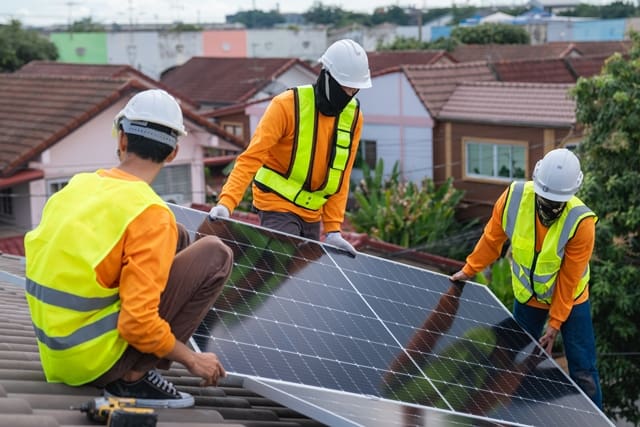
Selecting the right solar installer is just as important as deciding whether to invest in solar panels. Unfortunately, the rapid growth of the solar industry has attracted some companies that rely on misleading sales tactics, unrealistic savings projections, or high-pressure contracts that may not serve homeowners’ best interests. Before signing any agreement, homeowners should research multiple installers, verify state licensing and insurance, read customer reviews, request references, and compare detailed written estimates from several companies. It is also important to understand equipment warranties, workmanship guarantees, financing terms, and whether the installer will obtain the necessary permits and coordinate utility interconnection. Taking the time to thoroughly vet a solar installer can help homeowners avoid costly mistakes, protect their investment, and ensure their solar system is installed safely and performs as expected for years to come.
Is Solar a Smart Long-Term Investment?
For many homeowners, solar energy represents a long-term investment that delivers both financial and environmental rewards. It is important to note that initial installation requires careful planning and budgeting, but lower utility costs, available incentives, and increased property appeal often make the investment worthwhile. As electricity prices continue to rise and renewable energy becomes more widely adopted, solar systems may become even more valuable over time. Every homeowner’s situation is unique, making it important to evaluate local conditions, financial goals, and energy needs before making a decision. Taking a thoughtful approach ensures that homeowners choose the energy solution that best supports their lifestyle and long-term objectives.
Conclusion
Solar energy has evolved from a niche technology into a practical option for millions of homeowners seeking lower energy costs and greater sustainability. However, it is important to recognize that solar may not be the perfect fit for every property. Careful evaluation of installation costs, available incentives, roof suitability, and long-term savings is essential before moving forward. Consulting both solar professionals and experienced real estate agents can provide valuable insights that support smarter financial decisions. By understanding the complete picture, homeowners can confidently determine whether investing in solar energy is the right choice for their home and future.
#SolarEnergy #Homeowners #RenewableEnergy #GreenLiving #EnergySavings #HomeImprovement #SolarPanels #RealEstate #SustainableLiving #PropertyValue