
Purchasing your first investment property can be an exciting step toward building long-term wealth and creating additional income streams. However, understanding how to finance an investment property is one of the most important parts of the process. Unlike buying a primary residence, investment property financing often involves different requirements, loan options, and financial considerations. New investors need to evaluate their budget, credit profile, available capital, and investment goals before choosing a financing strategy. By learning the fundamentals of real estate investment loans, buyers can make confident decisions and avoid common financial mistakes. This guide explores the best ways to finance your first investment property and provides strategies to help you begin your real estate investing journey.
Evaluate Your Financial Readiness Before Investing
Before searching for your first rental property, it is essential to understand your current financial position and investment capacity. Lenders typically review your credit score, income, debt-to-income ratio, employment history, and available savings when determining loan eligibility. Having a strong financial foundation can improve your chances of securing favorable interest rates and loan terms. Investors should also calculate potential expenses such as property taxes, insurance, repairs, maintenance, and vacancy periods before committing to a purchase. Creating a detailed investment budget helps you determine how much property you can realistically afford without putting unnecessary strain on your finances. Taking time to prepare financially can make the difference between a profitable investment and a challenging experience.
Explore Different Investment Property Loan Options

There are several financing options available for buyers interested in purchasing their first investment property. Conventional investment property loans are a common choice and typically require higher down payments compared to primary residence loans. Some investors consider government-backed programs, although many are designed primarily for owner-occupied properties rather than traditional rentals. Other financing methods include private lenders, hard money loans, portfolio loans, and partnerships with other investors. Each option comes with different interest rates, qualification requirements, repayment terms, and risks that should be carefully evaluated. Understanding the advantages and disadvantages of each loan type allows investors to select the financing solution that best aligns with their goals.
Save for a Strong Down Payment and Closing Costs
One of the biggest challenges when financing a first investment property is preparing enough money for upfront expenses. Investment property loans often require larger down payments because lenders view rental properties as higher-risk investments. Many investors should plan for additional costs beyond the down payment, including closing fees, inspections, appraisals, repairs, and initial property improvements. Building a dedicated investment fund can make the purchasing process smoother and reduce the need for expensive borrowing options. Investors may also explore creative strategies such as partnering with other buyers or using existing home equity when appropriate. A well-planned financial reserve provides flexibility and helps protect against unexpected expenses after the purchase.
Understand Cash Flow and Investment Property Returns
Financing an investment property is not only about getting approved for a loan but also about ensuring the property can generate positive financial results. Investors should analyze expected rental income, operating expenses, mortgage payments, and potential appreciation before purchasing a property. A strong cash flow analysis helps determine whether the investment can support itself over time. Factors such as location, tenant demand, property condition, and local market trends can significantly influence profitability. Investors should also consider long-term goals, including building equity, increasing rental income, and expanding their real estate portfolio. Understanding the financial performance of a property helps buyers make smarter investment decisions and reduce unnecessary risks.
Consider Using Home Equity or Alternative Funding Strategies
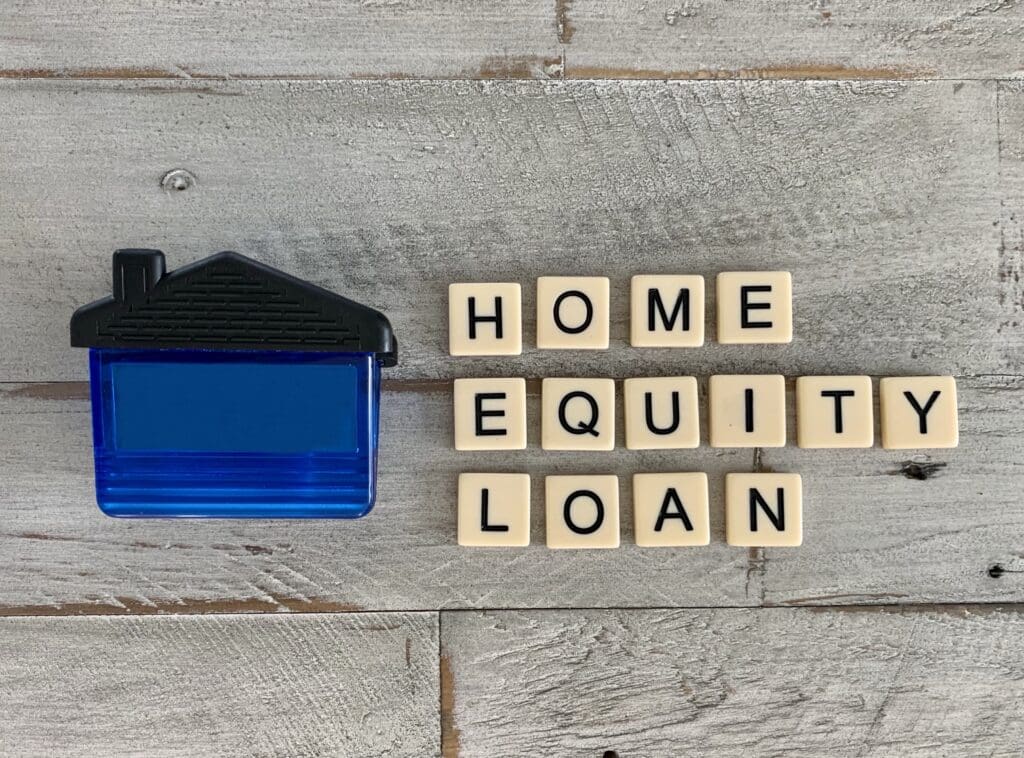
Experienced and first-time investors often explore alternative ways to finance real estate purchases beyond traditional mortgages. Homeowners with significant equity may consider options such as a home equity loan or line of credit to help fund an investment property purchase. Some investors use partnerships where multiple individuals contribute capital and share ownership responsibilities. Seller financing is another possibility in certain situations where the property owner agrees to accept payments directly from the buyer. Crowdfunding platforms and private investment groups may also provide additional opportunities for qualified investors. Carefully reviewing the terms, risks, and long-term financial impact of alternative funding methods is essential before moving forward.
How Hiring a Real Estate Agent Benefits First-Time Investors
Working with an experienced real estate agent can provide valuable advantages when purchasing your first investment property. A knowledgeable agent can help investors identify profitable opportunities, analyze market conditions, and locate properties that match their investment goals. Real estate professionals often understand neighborhood trends, rental demand, property values, and potential challenges that new investors may overlook. An agent can also assist with negotiations, inspections, contracts, and coordinating with lenders and other professionals throughout the transaction. By partnering with a trusted real estate agent, first-time investors can save time, reduce stress, and make more informed purchasing decisions. Professional guidance can be especially valuable for buyers entering the investment market for the first time.
Avoid Common Financing Mistakes When Buying an Investment Property
Many first-time investors make financial mistakes because they focus only on purchasing a property instead of planning for long-term ownership costs. One common mistake is underestimating expenses such as repairs, maintenance, property management, and periods without rental income. Another mistake is choosing a loan without fully understanding interest rates, fees, and repayment requirements. Investors should also avoid stretching their budget too far in hopes that future appreciation will solve financial challenges. Conducting proper research, maintaining cash reserves, and seeking advice from experienced professionals can help prevent costly errors. A disciplined approach to financing creates a stronger foundation for long-term real estate investment success.
Build a Long-Term Strategy for Real Estate Investment Growth

Financing your first investment property is the beginning of a larger wealth-building strategy rather than a one-time transaction. Successful investors often focus on creating systems that allow them to acquire additional properties and grow their portfolios over time. Reinvesting profits, improving properties, and monitoring market conditions can help increase long-term returns. Investors should continue learning about financing options, tax strategies, property management, and changing real estate trends. Developing a clear investment plan helps ensure each purchase supports broader financial goals. With careful planning and responsible financing, your first investment property can become the foundation for future real estate success.
Conclusion: Take the First Step Toward Investment Property Ownership
Learning how to finance your first investment property is a critical step for anyone interested in building wealth through real estate. The right financing strategy depends on your financial situation, investment goals, and willingness to manage risk. By preparing your finances, exploring loan options, analyzing cash flow, and working with experienced professionals, you can approach your purchase with confidence. Real estate investing requires patience, research, and thoughtful decision-making, but the potential rewards can be significant. Your first investment property can provide rental income, equity growth, and valuable experience for future opportunities. Taking the time to create a solid financing plan can help turn your real estate investment goals into reality.
#RealEstateInvesting #InvestmentProperty #RealEstateFinance #RentalProperty #PropertyInvestment #FirstTimeInvestor #RealEstateWealth #PassiveIncome #RealEstateTips #PropertyFinancing