
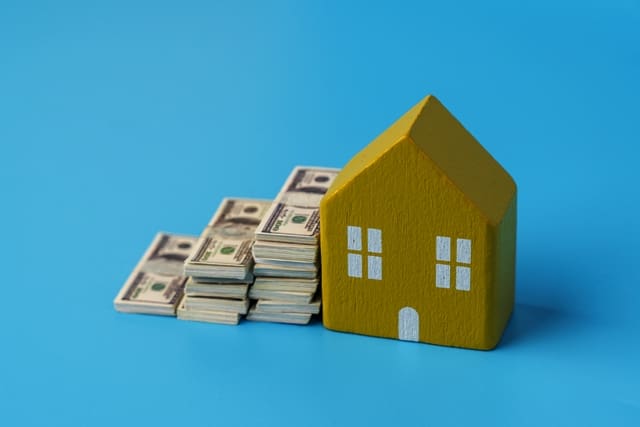
Buying a house with cash is becoming more common among homebuyers who want to avoid monthly mortgage payments and strengthen their negotiating position. In competitive real estate markets, cash offers often stand out because they reduce financing complications and speed up the closing process. However, paying cash for a property is not always the perfect financial decision for every buyer. While there are undeniable advantages to owning a home outright, there are also risks tied to liquidity, missed investment opportunities, and financial flexibility. Understanding both the benefits and drawbacks of buying a house with cash can help buyers and real estate professionals make smarter decisions in today’s housing market.
Faster Closings and Stronger Negotiating Power
One of the biggest advantages of buying a house with cash is the ability to close quickly. Mortgage approvals can take weeks due to underwriting, appraisals, inspections, and lender documentation requirements. Cash buyers eliminate much of that process, which often allows transactions to close in a matter of days instead of months. Sellers are typically more attracted to cash offers because there is less risk of financing falling through before closing. This stronger position can also give buyers additional negotiating power when discussing price reductions, repairs, or seller concessions.
No Mortgage Payments or Interest Costs

Paying cash for a home means buyers avoid taking on long-term debt and eliminate monthly mortgage payments entirely. This can provide financial peace of mind, especially for retirees or buyers seeking long-term stability. Without interest payments attached to a mortgage loan, homeowners may save tens or even hundreds of thousands of dollars over time. Owning a property outright can also free up future income for travel, investing, renovations, or other personal goals. For many buyers, the emotional security of living debt-free is one of the most valuable benefits of purchasing a home with cash.
Reduced Financial Risk During Economic Changes
Cash buyers often experience greater financial stability during uncertain economic conditions. Rising interest rates, inflation, or employment shifts may impact homeowners with adjustable-rate mortgages or large monthly obligations. Buyers who purchase homes with cash avoid foreclosure risks related to missed mortgage payments. They may also feel less pressure during economic downturns because their housing expenses are significantly lower. In volatile real estate markets, this reduced financial burden can create a stronger sense of long-term security and flexibility.
The Drawbacks of Tying Up Large Amounts of Cash
Despite the advantages, buying a house with cash can create liquidity challenges for some buyers. Real estate is not considered a liquid asset because it can take time to sell a property and access the money tied to it. Using a large portion of savings to purchase a home may leave buyers with limited emergency funds or reduced financial flexibility. Unexpected expenses such as medical bills, repairs, or job changes could create stress if most assets are locked into property ownership. Buyers should carefully evaluate whether maintaining some cash reserves may better support their overall financial health.
Missed Investment Opportunities

Another downside of paying cash for a home is the potential loss of investment opportunities. Mortgage interest rates may sometimes be lower than the returns buyers could potentially earn from investing money elsewhere. Instead of putting all available cash into a property, some buyers may benefit more from diversifying their funds into retirement accounts, stocks, or business ventures. Real estate values can appreciate over time, but they do not always outperform other investment strategies. Buyers should compare potential investment returns with mortgage costs before deciding whether an all-cash purchase makes the most financial sense.
How an Agent Can Help
Working with a real estate agent is extremely valuable when navigating a cash home purchase. Experienced agents understand how to structure competitive offers, negotiate favorable terms, and identify properties that align with a buyer’s financial goals. A real estate professional can also help buyers avoid overpaying by analyzing comparable sales and current market conditions. Even cash buyers benefit from expert guidance during inspections, title reviews, and contract negotiations. Hiring a knowledgeable real estate agent can simplify the process, reduce stress, and help buyers make informed decisions that protect their investment.
Conclusion
Buying a house with cash offers several advantages, including faster closings, stronger negotiating power, lower long-term costs, and reduced financial stress. However, buyers should also consider the potential drawbacks, such as reduced liquidity and missed investment opportunities. The right decision depends on a buyer’s financial goals, risk tolerance, and long-term plans. Real estate professionals play a critical role in helping buyers evaluate these factors and navigate competitive housing markets successfully. By understanding both the pros and cons of buying a house with cash, buyers can make confident decisions that support their future financial stability.
#CashHomeBuyers #RealEstateTips #HomeBuyingAdvice #RealEstateInvesting #MortgageFree #HomeOwnership #CashOffer #RealEstateMarket #BuyingAHome #RealEstateAgent

For a copy of our home buying process, please fill out the form on this page. The guide will be emailed immediately.
If you are looking for assistance in the metro Atlanta area, please reach out to us. We would love the opportunity to help you with your home purchase or sale.
If you are in another part of the country, we may be able to refer you to an agent in your market.
