

Finding undervalued properties is one of the most effective ways to build wealth through real estate. Whether you are a home buyer, real estate investor, or agent helping clients maximize opportunities, identifying properties priced below market value can lead to significant financial gains. However, spotting these opportunities requires more than simply looking for low listing prices. Understanding market trends, neighborhood dynamics, property conditions, and seller motivations can help uncover hidden gems before other buyers notice them. By learning how to evaluate properties strategically, you can increase your chances of securing a valuable investment while minimizing risk.
Understand Local Market Conditions
Successful investors and home buyers begin by thoroughly understanding the local real estate market. Analyzing recent comparable sales, inventory levels, average days on market, and pricing trends can reveal neighborhoods where properties may be undervalued. Areas experiencing economic growth, infrastructure improvements, or population increases often present opportunities before prices rise significantly. Monitoring local market data helps identify properties that are priced below comparable homes in the same area. Consistent market research allows buyers to make informed decisions rather than relying solely on intuition.
Hire a Real Estate Agent

Hiring a real estate agent can significantly improve your ability to identify undervalued properties. Experienced agents have access to comprehensive market data, local insights, and industry networks that may reveal opportunities before they reach the broader market. They can perform comparative market analyses, evaluate pricing trends, and identify neighborhoods with strong growth potential. Skilled agents also possess negotiation expertise that can help buyers secure favorable pricing and contract terms. Their guidance throughout the buying process reduces risk and helps ensure buyers make informed investment decisions.
Look for Motivated Sellers
Motivated sellers often create some of the best opportunities for finding undervalued properties. Homeowners facing relocation, financial hardship, divorce, inheritance situations, or other life changes may prioritize a quick sale over achieving the highest possible price. These sellers are frequently more willing to negotiate favorable terms and lower purchase prices. Reviewing listings that have remained on the market longer than average can also uncover motivated sellers seeking offers. Understanding seller circumstances can provide valuable leverage during negotiations and help buyers secure better deals.
Analyze Property Condition Carefully
Properties that require cosmetic updates or minor repairs are often overlooked by traditional buyers. While some buyers are discouraged by outdated kitchens, worn flooring, or neglected landscaping, these issues can often be corrected relatively affordably. Conducting a detailed property inspection helps distinguish between manageable improvements and costly structural problems. Investors who accurately estimate renovation costs can determine whether a property offers true value. Identifying homes with strong fundamentals but cosmetic deficiencies can create opportunities for immediate equity growth after improvements are completed.
Identify Emerging Neighborhoods
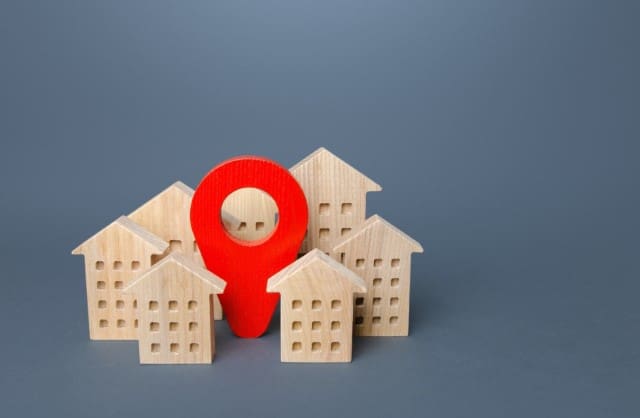
Emerging neighborhoods frequently contain undervalued properties with significant appreciation potential. Areas undergoing revitalization, new commercial development, improved transportation access, or increased community investment often experience rising property values over time. Buyers who recognize these trends early may benefit from purchasing before demand increases substantially. Researching local development plans, zoning changes, and municipal improvement projects can provide valuable insights into future growth areas. Staying ahead of market shifts allows investors and buyers to capitalize on opportunities before they become widely recognized.
Evaluate Rental Income Potential
For investors, rental income potential plays a critical role in determining whether a property is undervalued. Comparing expected rental income against acquisition costs, operating expenses, and financing payments helps reveal opportunities that may generate strong cash flow. Properties located near employment centers, universities, healthcare facilities, or transportation hubs often attract consistent tenant demand. Strong rental performance can justify purchasing a property even if appreciation occurs more slowly. Careful cash flow analysis helps investors identify assets that provide both immediate income and long-term value growth.
Use Public Records and Market Data
Public records provide a wealth of information that can help uncover undervalued properties. Tax assessments, ownership history, foreclosure filings, code violations, and permit records may reveal opportunities that other buyers overlook. Reviewing historical sales data can also highlight properties that have not appreciated in line with surrounding homes. Combining public information with current market analytics creates a more complete picture of a property’s value. Data-driven decision-making helps reduce emotional bias and improves investment outcomes.
Conclusion
Identifying undervalued properties requires a combination of market knowledge, research, patience, and strategic analysis. Buyers who understand local market conditions, recognize motivated sellers, evaluate property conditions, and monitor emerging neighborhoods are often better positioned to uncover exceptional opportunities. Utilizing public records, analyzing rental income potential, and leveraging professional expertise can further improve investment success. While finding undervalued properties takes effort, the potential rewards can be substantial for both homeowners and investors. By applying these strategies consistently, buyers can build equity, increase returns, and make smarter real estate decisions.
#RealEstateInvesting #UndervaluedProperties #PropertyInvestment #RealEstateTips #HomeBuying #InvestmentProperty #RealEstateMarket #PropertyValue #RealEstateAgent #WealthBuilding #RealEstateStrategies #HousingMarket

Richard has extensive experience in all aspects of buying and selling residential property. He has sold more than 400 homes and well over $100 million in residential real estate. There’s no need to guess. Get expert advice that will allow you to buy and sell with confidence and ease.
For neighborhood guides about Decatur and other intown neighborhoods, click here.
To learn more about the value of your home, please complete the form here.
If you are looking to purchase a home, please reach out here. We would love to help you have a wonderful buying experience.
You can always reach us through the Contact Us page here as well.
