Rental property investing can be an excellent way to build long-term wealth, but success depends on understanding how much money a property will actually generate. Many first-time investors focus only on rental income without fully accounting for operating expenses, maintenance costs, and unexpected repairs. Analyzing rental property cash flow provides a realistic picture of whether an investment will produce consistent profits or become a financial burden. By learning how to calculate and interpret cash flow, investors can make informed decisions that reduce risk and improve returns. Whether you’re purchasing your first rental property or expanding an existing portfolio, mastering cash flow analysis is one of the most valuable skills you can develop.
Understanding Rental Property Cash Flow
Cash flow is the amount of money left over after all expenses associated with a rental property have been paid. Positive cash flow occurs when rental income exceeds expenses, while negative cash flow means expenses are greater than income. Investors should understand that cash flow differs from appreciation because a property’s value may increase over time even if monthly cash flow is limited. However, consistent positive cash flow provides immediate financial stability and helps cover unexpected costs without relying on personal savings. Evaluating cash flow before purchasing a property allows investors to identify opportunities that align with their financial goals and investment strategy.
Calculate Your Gross Rental Income

The first step in analyzing rental property cash flow is determining gross rental income. This includes monthly rent, pet fees, parking fees, laundry income, storage rentals, and any other recurring revenue generated by the property. Investors should use realistic rental estimates based on comparable properties in the local market rather than optimistic projections. Researching neighborhood rental trends helps ensure projected income reflects current market conditions and future demand. Accurate income projections create a solid foundation for calculating cash flow and evaluating investment performance.
Identify Every Operating Expense
Successful investors know that operating expenses extend far beyond the monthly mortgage payment. Common expenses include property taxes, insurance, maintenance, repairs, property management fees, landscaping, utilities paid by the owner, homeowners association dues, advertising costs, and accounting services. Investors should also budget for vacancy periods when the property may not generate rental income. Ignoring even small expenses can significantly distort cash flow calculations and lead to disappointing financial results. A thorough expense analysis provides a more accurate understanding of a property’s long-term profitability.
Account for Financing Costs
If financing the property with a mortgage, monthly principal and interest payments must be included in your cash flow analysis. Loan terms, interest rates, and down payment amounts directly impact monthly expenses and overall investment returns. Investors should compare multiple financing options before purchasing a property to determine which loan structure best supports positive cash flow. Lower interest rates and larger down payments can improve monthly profitability, although they require greater upfront capital. Understanding financing costs helps investors avoid overextending themselves financially while maximizing return on investment.
Calculate Net Operating Income and Cash Flow
Net Operating Income (NOI) is calculated by subtracting operating expenses from gross rental income, excluding mortgage payments. Cash flow is then determined by subtracting debt service, including mortgage payments, from the NOI. Investors often use this calculation to compare multiple investment opportunities objectively. A property with strong NOI and positive monthly cash flow generally offers greater financial stability than one relying solely on appreciation. Reviewing these figures carefully helps investors identify properties capable of generating sustainable income over many years.
Evaluate Cash-on-Cash Return
Cash-on-cash return measures the annual pre-tax cash flow relative to the total cash invested in the property. This metric helps investors determine how efficiently their investment capital is performing. Comparing cash-on-cash returns across different properties makes it easier to prioritize opportunities that provide stronger income potential. Investors should also consider appreciation, tax benefits, and equity growth alongside this metric to gain a complete understanding of investment performance. Using multiple financial indicators results in more informed purchasing decisions and better long-term investment outcomes.
Prepare for Unexpected Expenses
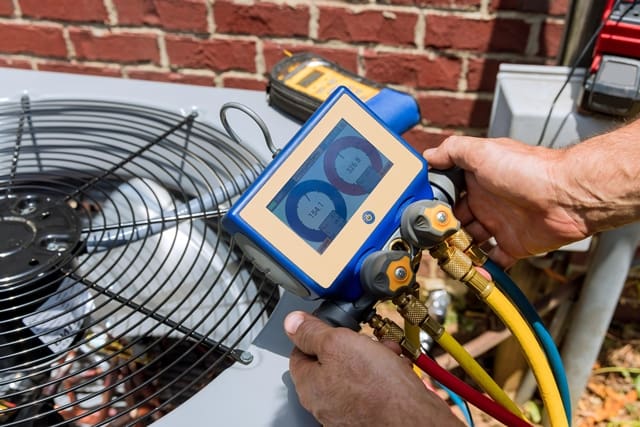
Every rental property will eventually require repairs, maintenance, and capital improvements that cannot always be predicted. Roof replacements, HVAC systems, plumbing issues, appliance failures, and emergency repairs can significantly affect annual cash flow. Smart investors establish reserve funds specifically for unexpected expenses to avoid financial stress when repairs occur. Budgeting for these costs before purchasing a property creates a more realistic financial projection and reduces investment risk. Maintaining adequate reserves also helps preserve the property’s value and tenant satisfaction over time.
Research the Local Rental Market
Cash flow is heavily influenced by local market conditions, making neighborhood research an essential part of investment analysis. Population growth, employment opportunities, school districts, transportation access, and economic development all affect rental demand. Investors should evaluate vacancy rates, average rental prices, and future development plans before making a purchase. Strong local markets often support higher occupancy rates and steady rental income, improving long-term cash flow potential. Staying informed about market trends enables investors to identify neighborhoods with the greatest opportunity for sustainable returns.
Why Hiring a Real Estate Agent Is Beneficial
Working with an experienced real estate agent can simplify the process of evaluating rental property investments and identifying profitable opportunities. A knowledgeable agent understands local market trends, rental demand, neighborhood appreciation potential, and pricing strategies that may not be obvious to individual investors. They can provide access to market data, comparable sales, and rental estimates that improve the accuracy of cash flow projections. Real estate agents also help negotiate purchase prices, coordinate inspections, and identify potential issues before closing, reducing costly surprises after the transaction. Their expertise saves investors valuable time while increasing the likelihood of purchasing a property that delivers strong positive cash flow and long-term financial success.
Conclusion
Analyzing rental property cash flow is one of the most important steps in making a successful real estate investment. By accurately estimating rental income, accounting for every operating expense, evaluating financing costs, and preparing for unexpected repairs, investors can make confident purchasing decisions based on solid financial data. Understanding key performance metrics such as Net Operating Income and cash-on-cash return further strengthens investment analysis and improves portfolio performance. Combining careful financial planning with thorough market research helps reduce risk while increasing the potential for long-term profitability. Investors who consistently perform detailed cash flow analysis position themselves to build sustainable wealth through rental real estate while avoiding costly investment mistakes.
#RentalProperty #CashFlowAnalysis #RealEstateInvesting #RentalIncome #InvestmentProperty #PassiveIncome #RealEstateTips #PropertyManagement #RealEstateInvestor #RentalPropertyInvestment #InvestmentStrategy #FinancialFreedom #RealEstateMarket #PropertyInvestment #LandlordTips #CashFlow #RealEstateEducation #BuildingWealth #RealEstateAgent #RealEstateSuccess