

Your credit score plays a major role in your financial life, influencing everything from loan approvals to interest rates and even housing opportunities. Whether you are planning to buy a home, finance a vehicle, or apply for a credit card, maintaining a strong credit score can save you thousands of dollars over time. Many consumers understand the importance of credit but may not realize the specific actions that can cause their score to rise or fall. By understanding the factors that affect your credit score, you can make smarter financial decisions and build long-term financial stability. Here are five important things that can significantly impact your credit score and what you can do to protect it.
Payment History
Payment history is one of the most influential factors affecting your credit score. Lenders want to see that you consistently pay your bills on time because it demonstrates financial responsibility. Even a single late payment can negatively affect your score and remain on your credit report for several years. Repeated missed payments can cause even greater damage and may make future lenders hesitant to extend credit. Setting up automatic payments or reminders can help ensure you never miss a due date and maintain a positive payment history.
Credit Utilization Ratio

Credit utilization refers to the percentage of your available credit that you are currently using. For example, if you have a credit card limit of $10,000 and carry a balance of $5,000, your utilization ratio is 50 percent. Financial experts generally recommend keeping your utilization below 30 percent, and even lower if possible, to maintain a healthy credit score. High balances can signal financial stress to lenders and may lower your score even if payments are made on time. Paying down balances regularly and avoiding maxed-out credit cards can help improve your credit profile.
Length of Credit History
The age of your credit accounts also plays an important role in determining your credit score. Credit scoring models often favor borrowers who have a longer history of managing credit responsibly. Closing older credit accounts can sometimes shorten your average account age and negatively impact your score. Keeping longstanding accounts open, especially those with positive payment histories, can contribute to stronger credit health. Building a lengthy and positive credit history requires patience, but the long-term benefits can be substantial.
New Credit Applications
Applying for multiple credit accounts within a short period can affect your credit score. Each time you apply for new credit, a hard inquiry may be added to your credit report. While one inquiry typically has a minor impact, numerous inquiries can suggest increased financial risk to lenders. Opening several new accounts at once can also lower the average age of your credit history. Before applying for new credit, consider whether the account is truly necessary and avoid excessive applications in a short timeframe.
Credit Report Accuracy
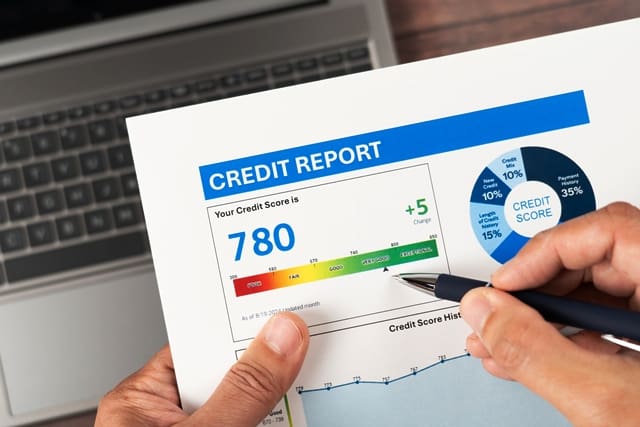
Errors on your credit report can significantly impact your credit score if they go unnoticed. Incorrect account information, fraudulent activity, or reporting mistakes can all cause unnecessary damage to your credit profile. Reviewing your credit reports regularly allows you to identify inaccuracies and dispute them promptly. Monitoring your reports can also help detect signs of identity theft before they become major problems. Staying proactive with credit monitoring is one of the best ways to protect your financial reputation and maintain a strong credit score.
How an Agent Can Help You Navigate Credit Challenges
Hiring a real estate agent can be especially beneficial when your credit score affects your homebuying goals. Experienced agents understand how lenders evaluate borrowers and can connect you with trusted mortgage professionals who may offer solutions tailored to your situation. They can help you determine whether improving your credit before purchasing a home could result in better financing terms and lower monthly payments. Real estate agents also provide valuable guidance throughout the homebuying process, helping you make informed decisions that align with your financial objectives. Their expertise can save time, reduce stress, and increase your chances of a successful real estate transaction.
Conclusion
Your credit score is one of the most important financial tools you have, and understanding what affects it can help you make smarter decisions. Payment history, credit utilization, credit age, new credit applications, and report accuracy all play significant roles in determining your score. By actively managing these factors, you can improve your financial standing and position yourself for better lending opportunities. Consistent attention to your credit habits can lead to lower borrowing costs and greater financial flexibility. Taking steps today to protect your credit score can create lasting benefits for years to come.
#CreditScore #PersonalFinance #CreditTips #FinancialWellness #MoneyManagement #CreditHealth #HomeBuyingTips #MortgagePreparation #RealEstateAdvice #FinancialPlanning

Richard has extensive experience in all aspects of buying and selling residential property. He has sold more than 400 homes and well over $100 million in residential real estate. There’s no need to guess. Get expert advice that will allow you to buy and sell with confidence and ease.
For neighborhood guides about Decatur and other intown neighborhoods, click here.
To learn more about the value of your home, please complete the form here.
If you are looking to purchase a home, please reach out here. We would love to help you have a wonderful buying experience.
You can always reach us through the Contact Us page here as well.
