
When preparing a home for sale, homeowners often assume that expensive renovations are the best way to increase property value. In reality, many buyers are influenced by the condition of the small details they notice during a showing. A dripping faucet, loose cabinet handle, damaged trim, or scuffed wall can make a home feel neglected even when its major features are in excellent condition. Small home repairs can improve the appearance and functionality of a property without requiring a major renovation budget. For sellers looking to maximize their return on investment, these relatively inexpensive improvements can make a surprisingly large difference in buyer perception, offers, and overall marketability.
Why Buyers Notice Small Home Repairs
Buyers tend to evaluate a home from room to room, and seemingly minor problems can quickly add up in their minds. A cracked switch plate, squeaky door, missing caulk, or burned-out light bulb may seem insignificant individually, but several visible issues can create the impression that a property has not been well maintained. Buyers may begin wondering what other maintenance problems could be hiding beneath the surface. Addressing small defects before listing gives buyers fewer reasons to question the home’s condition. It also helps create the sense that the property has been cared for, which can strengthen buyer confidence.
Small Repairs Improve Your Home’s First Impression
First impressions matter enormously in real estate, and buyers can form opinions within minutes of entering a property. Freshly painted walls, properly functioning doors, clean hardware, and repaired fixtures can make rooms feel more polished and inviting. These improvements may not dramatically change the floor plan or square footage, but they can change how buyers experience the home. A property that feels clean, maintained, and move-in ready can stand out more favorably against competing listings. When buyers encounter fewer distractions, they are more likely to focus on the home’s desirable features rather than its flaws.
Fix the Problems Buyers Are Most Likely to See
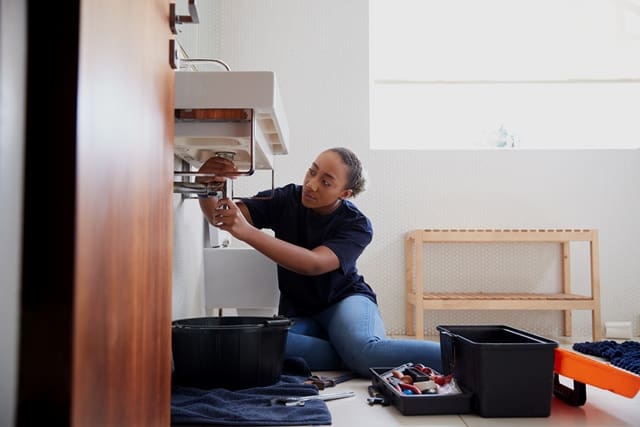
Not every repair deserves the same level of attention before a home goes on the market. Sellers should prioritize highly visible problems that buyers are likely to encounter during a showing, such as damaged flooring, chipped paint, loose railings, leaking faucets, broken light fixtures, and damaged doors. Kitchens and bathrooms deserve particular attention because buyers often scrutinize these spaces closely. Exterior issues also matter because the home’s front entry, siding, driveway, landscaping, and porch contribute to curb appeal. Concentrating your repair budget on noticeable problems can provide a better return than spending heavily on upgrades buyers may barely notice.
Paint Can Deliver an Outsized Return
A fresh coat of paint is one of the simplest ways to improve a home’s appearance before selling. Walls with scratches, stains, bold colors, or excessive wear can make rooms look older and less appealing than they actually are. Neutral, contemporary paint colors can create a cleaner appearance while helping rooms feel brighter and more cohesive. Sellers do not necessarily need to repaint every room, especially if existing paint is already in good condition. Instead, focus on areas where touch-ups or fresh paint will make the most noticeable visual improvement.
Repairing Doors, Cabinets, and Hardware Matters
Doors and cabinets are used constantly, which means buyers are likely to notice when they stick, squeak, wobble, or fail to close properly. Tightening cabinet hardware, replacing outdated handles, adjusting doors, and repairing damaged hinges can make a home feel significantly better maintained. These repairs are generally inexpensive compared with replacing cabinets or doors entirely. Buyers may also interpret properly functioning fixtures as evidence that other components of the home have received regular attention. Spending a modest amount on functional details can therefore improve both appearance and perceived quality.
Don’t Overlook Kitchens and Bathrooms
Kitchens and bathrooms frequently influence buyer decisions, but sellers do not always need to undertake costly remodeling projects to improve these spaces. Replacing cracked caulk, repairing leaky faucets, refreshing grout, replacing damaged hardware, and fixing loose fixtures can make these rooms feel cleaner and more current. Small cosmetic improvements can also help eliminate visual distractions in areas where buyers naturally pay close attention. A dated kitchen or bathroom may still benefit from careful maintenance even when a complete renovation is not financially practical. The goal is to present the space as clean, functional, and well cared for rather than attempting to make every feature brand new.
Curb Appeal Repairs Can Increase Buyer Interest
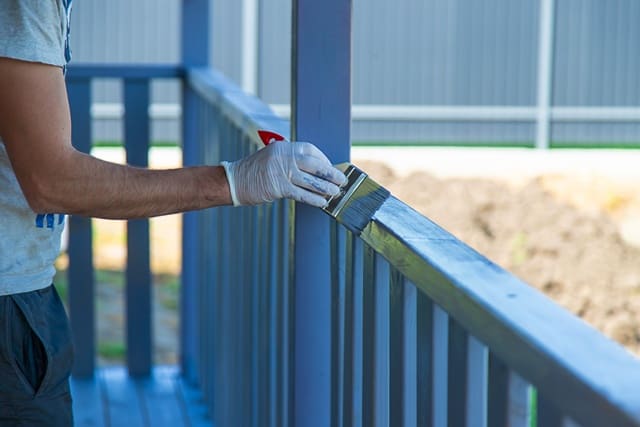
The outside of a home is often the first part of the property buyers see, making exterior maintenance especially important. Replacing a damaged mailbox, repairing loose steps, touching up peeling paint, fixing exterior lighting, and cleaning or repairing fencing can improve curb appeal without a large investment. Small landscaping corrections can also make the property appear more inviting and better maintained. Buyers who start a showing with a positive impression may enter the home with a more favorable perspective. Even inexpensive exterior repairs can help a listing look more attractive in photographs, online searches, and in-person showings.
Small Repairs Can Protect Your Negotiating Position
Visible defects can give buyers additional reasons to request repairs, credits, or price reductions during negotiations. Taking care of obvious problems before listing can reduce the number of weaknesses buyers can point to when discussing an offer. This does not mean sellers should repair every possible defect or attempt to eliminate all negotiation. Instead, it means addressing inexpensive issues that could otherwise become disproportionately important during inspections or negotiations. A well-maintained property can give sellers greater confidence when evaluating offers and responding to buyer requests.
Hiring a Real Estate Agent Can Help Prioritize Repairs
A knowledgeable real estate agent can provide an objective perspective about which repairs are most likely to influence buyers in the local market. Homeowners often become accustomed to imperfections they see every day, while an experienced agent can identify details that may affect first impressions or listing appeal. An agent can also help sellers distinguish between repairs that are worthwhile and improvements that are unlikely to generate a meaningful return. This guidance can prevent homeowners from spending thousands of dollars on unnecessary renovations before putting their property on the market. By combining local market knowledge with a strategic pre-listing evaluation, a real estate agent can help sellers focus their time and money where it is most likely to matter.
Think Like a Buyer Before Listing
Walking through your home as though you were seeing it for the first time can reveal repair opportunities that are easy to overlook. Open every door, test every faucet, flip every light switch, inspect walls and trim, and pay attention to anything that looks worn or does not work correctly. Consider what a buyer might question if they encountered the same issue during a showing. Making a simple checklist can help homeowners organize repairs according to visibility, cost, and importance. This buyer-focused approach can turn a collection of minor fixes into a meaningful improvement in the home’s overall presentation.
Avoid Spending Too Much on Improvements

One of the biggest mistakes sellers can make is assuming that every home improvement will produce an equal return. A $20,000 renovation does not automatically create $20,000 or more in additional value, particularly if buyers would have preferred a different style or design. Small repairs often have an advantage because they address obvious problems without dramatically changing the character of the property. Sellers should consider the home’s price range, neighborhood competition, condition, and likely buyer expectations before committing to larger projects. The best pre-sale improvements are usually those that solve noticeable problems, improve presentation, or remove potential objections without overcapitalizing.
Small Repairs Can Create a Move-In-Ready Feeling
Today’s buyers often place a premium on convenience, and a home that feels move-in ready can be particularly appealing. Buyers may be willing to accept cosmetic differences, but they can become frustrated when a property appears to require a long list of immediate fixes. Addressing small repairs before listing can make the transition into the home feel easier and less intimidating. It also allows buyers to envision themselves enjoying the property rather than mentally creating a maintenance checklist. That emotional shift can be valuable when your home is competing with other properties for buyer attention.
Conclusion: Small Investments Can Produce Big Results
Selling a home successfully is not always about making the biggest renovation possible; sometimes it is about making the smartest improvements. Small home repairs can enhance curb appeal, strengthen first impressions, improve functionality, and reduce potential objections from buyers. Fixing visible problems before listing can also help a property photograph better and feel more polished during showings. Sellers who carefully prioritize repairs can often improve their home’s marketability without spending a fortune on unnecessary upgrades. When the goal is to maximize return on investment, a collection of strategic small repairs may deliver a much bigger payoff than one expensive renovation.
#RealEstateTips #HomeSellingTips #HomeRepairs #HomeImprovement #SellYourHome #RealEstateMarketing #HomeValue #CurbAppeal #SellerTips #RealEstate
Expert Assistance:
To reach out to Richard for expert assistance in the Decatur & Atlanta markets, reach out here.
You can also ask Richard for a copy of his contribution to the best-selling book Top Dollar – by completing the form linked here.