
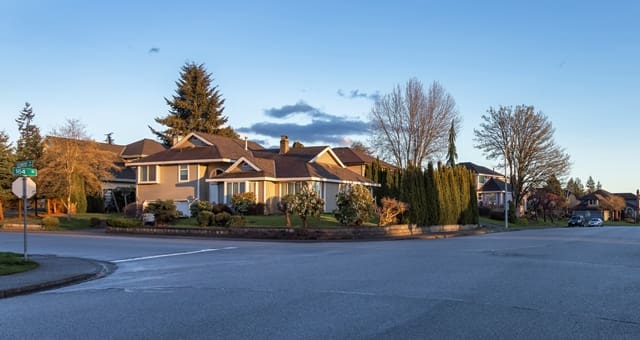
Buying a corner lot can be an exciting opportunity for home buyers who want something a little different from a traditional interior lot. Corner properties often provide additional yard space, more natural light, multiple street views, and attractive curb appeal. However, owning a home on a corner lot can also come with disadvantages that are easy to overlook during a home search. Increased traffic, reduced privacy, additional landscaping responsibilities, and potentially higher maintenance costs may affect the overall ownership experience. Understanding the pros and cons of buying a corner lot can help buyers make a more informed decision and determine whether the property truly fits their lifestyle, budget, and long-term plans.
More Yard Space and Outdoor Potential
One of the biggest advantages of buying a corner lot is the potential for a larger or more usable yard. Because the property borders two streets, corner lots are sometimes designed with additional open space compared with homes located in the middle of a block. This extra space can provide opportunities for gardens, patios, outdoor entertaining areas, or recreational activities. Families with children or homeowners who enjoy spending time outdoors may appreciate having more room around the house. However, buyers should carefully review the property boundaries and local setback requirements because not every corner lot provides additional usable space for improvements.
Increased Curb Appeal
Corner homes often have greater visibility from multiple directions, which can create impressive curb appeal. A well-maintained corner property may stand out within the neighborhood because landscaping, architectural details, and exterior improvements can be viewed from two streets. This visibility can be particularly appealing to buyers who take pride in their home’s appearance or want a property with a distinctive presence. Attractive landscaping and exterior upgrades may also contribute to the home’s marketability when it is eventually sold. On the other hand, increased visibility means homeowners may have more landscaping and exterior maintenance to keep the property looking its best.
Potential for More Natural Light

Another potential benefit of a corner lot is increased exposure to sunlight. With fewer neighboring homes immediately adjacent to the property on one or more sides, corner homes may receive more natural light throughout the day. Additional windows or favorable positioning can make interior rooms feel brighter, more open, and more welcoming. Natural light can also reduce the need for artificial lighting during certain times of the day. Buyers should still evaluate the home’s actual orientation, window placement, nearby trees, and surrounding structures rather than assuming every corner lot will automatically receive more sunlight.
Less Privacy Can Be a Drawback
While a corner lot may offer attractive views, greater visibility can also reduce privacy. More people may be able to see the front, side, or backyard areas depending on the property’s design and landscaping. Pedestrians, drivers, and neighbors may pass by more frequently than they would at a home situated farther from the street. Homeowners who value quiet outdoor spaces may need to invest in privacy fencing, landscaping, or other screening solutions. Before purchasing, buyers should consider how comfortable they would be with the property’s level of visibility during both daytime and evening hours.
More Traffic and Street Noise

Traffic is another important consideration when evaluating the pros and cons of buying a corner lot. Because the property is adjacent to two streets, residents may experience more vehicle noise, headlights, pedestrian activity, and general street activity than homeowners on interior lots. The difference may be minimal on a quiet residential street but significant near busy intersections, collector roads, schools, parks, or commercial areas. Buyers should visit the property at different times of day to evaluate traffic patterns and noise levels before making an offer. A corner lot that seems peaceful during a weekend showing could feel considerably different during weekday morning and afternoon traffic.
Additional Maintenance Responsibilities
Corner lots can sometimes require more exterior maintenance because homeowners may be responsible for landscaping along multiple street-facing areas. Grass, shrubs, trees, flower beds, sidewalks, and other visible areas may require regular attention to maintain the property’s appearance. Depending on the community, homeowners may also have specific requirements for landscaping and upkeep. Snow removal, leaf collection, mowing, and trimming can become more time-consuming when there is additional frontage. Buyers should investigate homeowners association rules and local maintenance responsibilities so they understand exactly what will be expected after closing.
Potential Parking and Safety Concerns
Parking can be another factor worth considering before purchasing a corner property. Depending on the neighborhood’s design, driveway placement and street parking restrictions may limit where vehicles can be parked. Corner properties can also have more pedestrian and vehicle activity near the home, which may be a concern for families with young children or pets. Visibility at the intersection can vary depending on fences, landscaping, parked cars, and nearby structures. Buyers should examine traffic patterns, sidewalk locations, driveway access, and local regulations to determine whether the property’s layout creates any practical safety or parking concerns.
Zoning and Building Restrictions Matter
Corner lots may have different setback, fencing, landscaping, or building requirements because they border multiple streets. For example, a homeowner may discover that portions of the yard are considered front-yard areas and therefore subject to different restrictions than a typical backyard. These rules can affect plans for fences, sheds, additions, pools, garages, and other improvements. Buyers should review zoning regulations and homeowners association documents before assuming they can make a particular change to the property. Understanding these restrictions before closing can prevent expensive surprises and help buyers determine whether the lot will support their future plans.
Hiring a Real Estate Agent Can Help
Hiring a knowledgeable real estate agent can make evaluating a corner lot much easier because an experienced professional can help buyers identify issues that may not be obvious during a property tour. A real estate agent can help review comparable sales, neighborhood conditions, disclosures, HOA documents, and other information relevant to the purchase. They can also help buyers ask questions about traffic, zoning, property boundaries, easements, and potential resale considerations. In addition, an agent can help negotiate an offer based on the property’s advantages and potential drawbacks. Having professional guidance can give buyers greater confidence that they are evaluating the entire property rather than simply being attracted to its curb appeal.
Consider the Long-Term Resale Value

Before purchasing a corner lot, buyers should think beyond how the property feels on the day of the showing. Some buyers may specifically seek corner lots because they appreciate additional space, visibility, or architectural appeal, while others may prefer interior lots because they offer greater privacy and less street exposure. Local market conditions, neighborhood design, property condition, and buyer preferences can all influence resale demand. A corner lot is not automatically more valuable simply because it occupies a prominent position. Buyers should compare the property with similar homes in the area and consider whether its benefits and drawbacks are likely to appeal to future buyers.
Conclusion
Buying a corner lot can offer meaningful benefits, including potential extra yard space, attractive curb appeal, increased natural light, and a more distinctive property setting. At the same time, buyers need to consider potential disadvantages such as additional maintenance, reduced privacy, street noise, traffic, parking limitations, and zoning restrictions. The right decision ultimately depends on the property’s specific location, layout, neighborhood, and the buyer’s priorities. Taking time to visit the property at different times, research applicable restrictions, and evaluate future resale considerations can reveal important details before making a purchase. By carefully weighing the pros and cons of buying a corner lot, home buyers can make a more informed decision and choose a property that better supports their lifestyle and long-term goals.
#RealEstate #CornerLot #HomeBuying #RealEstateTips #HomeBuyerTips #BuyingAHome #PropertyTips #RealEstateAdvice #HomeOwnership #HouseHunting

For a copy of our home buying process, please fill out the form on this page. The guide will be emailed immediately.
If you are looking for assistance in the metro Atlanta area, please reach out to us. We would love the opportunity to help you with your home purchase or sale.
If you are in another part of the country, we may be able to refer you to an agent in your market.
