A freshly renovated home can look impressive at first glance, but attractive finishes do not always mean quality workmanship. Poor home renovations can hide behind new flooring, modern cabinets, updated bathrooms, and a fresh coat of paint. For home buyers, identifying the hidden signs of a poorly renovated house can prevent expensive repairs and unexpected headaches after closing. Some renovation problems are easy to spot, while others require a closer look at the home’s construction, systems, and finishes. Understanding what to inspect can help buyers make more informed decisions and recognize when a beautiful renovation may be covering up deeper problems.
1. Uneven Floors Can Reveal Bigger Problems
Uneven floors are one of the most important hidden signs of poor renovation work because they may indicate more than an imperfect installation. Flooring that slopes, dips, or feels noticeably uneven could result from rushed installation, improper subfloor preparation, moisture damage, or underlying structural concerns. Walk slowly across each room and pay attention to areas that feel soft, bouncy, or inconsistent underfoot. Look closely at transitions between rooms because abrupt changes in floor height can suggest that different materials were installed without properly addressing the underlying surface. While minor imperfections can occur in older homes, significant or widespread unevenness deserves further investigation before moving forward with a purchase.
2. Fresh Paint Covering Cracks and Damage
Fresh paint is not necessarily a problem, but unusually thick layers of paint or strategically painted areas can sometimes conceal defects. Examine walls and ceilings from different angles and look for recurring cracks, bubbling, discoloration, or visible patches beneath the new finish. Pay particular attention around windows, doors, ceilings, and areas where walls meet one another because these locations can reveal movement, moisture problems, or poorly completed repairs. A renovation that relies heavily on cosmetic improvements may make a home appear newer without actually addressing underlying issues. If you notice suspicious repairs beneath fresh paint, consider asking for documentation and having the area evaluated by an appropriately qualified professional.
3. Doors and Cabinets That Do Not Align
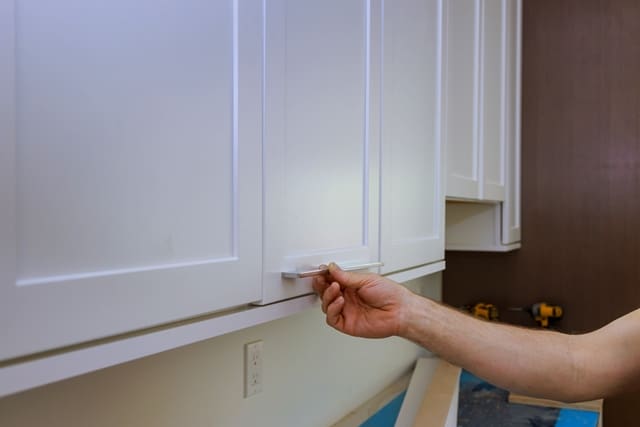
Doors and cabinets can provide surprisingly useful clues about the quality of a renovation. Newly installed doors should generally open, close, and latch properly without rubbing against frames or floors. Kitchen and bathroom cabinets should have consistent spacing, level countertops, and doors that line up neatly with one another. If several doors stick, cabinet faces appear crooked, or drawers refuse to close smoothly, the renovation may have involved rushed installation or inadequate leveling. These issues may seem cosmetic, but a collection of small alignment problems can indicate that other parts of the project were completed with the same lack of attention to detail.
4. Poorly Installed Trim and Finish Work
Trim is another place where renovation shortcuts become visible when you know what to look for. Baseboards, crown molding, door casings, and other decorative elements should generally have clean joints, consistent gaps, and professional-looking transitions. Excessive caulk, uneven cuts, visible nails, or mismatched trim can suggest that the installer was attempting to hide inaccurate measurements or rushed workmanship. Examine corners carefully because poorly fitted joints are often easier to spot there than in the middle of a wall. High-quality renovations typically pay attention to these finishing details because small imperfections can make an otherwise expensive project look unfinished.
5. Electrical Work That Looks Questionable
Electrical updates can add tremendous value and functionality to a home, but amateur electrical work can create serious concerns. Watch for loose outlets, switches that sit crooked, missing cover plates, unusual extension-cord arrangements, or outlets that do not appear properly secured. Older homes that have been extensively renovated should also raise questions about whether electrical systems were upgraded appropriately for modern demands. Buyers should never assume that new-looking fixtures mean the wiring behind the walls was professionally updated. When electrical work appears questionable, a licensed electrician can provide a much more reliable assessment than a visual inspection alone.
6. Plumbing Fixtures That Show Signs of Rushed Work
New faucets, sinks, toilets, and showers can make an older home look completely updated, but plumbing installations deserve careful attention. Look underneath sinks for leaks, excessive moisture, poorly connected pipes, or signs of makeshift repairs. Turn faucets on and off, check water pressure, and observe how quickly sinks and tubs drain. Inspect around toilets and showers for staining, soft flooring, damaged caulk, or other indications that water may be escaping where it should not. A bathroom renovation that looks beautiful on the surface can still contain plumbing problems that become expensive once walls or floors need to be opened.
7. Missing or Limited Renovation Documentation

A major renovation should ideally leave behind some form of documentation, especially when substantial systems or structural components were changed. Ask whether the seller has permits, contractor invoices, warranties, receipts, inspection reports, or other records associated with the work. Missing documentation does not automatically prove that a renovation was poorly performed, but it can make it harder to determine what was actually changed and who completed the work. Buyers should be particularly cautious when sellers describe major improvements but cannot provide meaningful details about the projects. Documentation can help establish a clearer renovation history and give buyers useful information for future maintenance.
7. Cheap Materials Used in High-Visibility Areas
Not every renovation needs luxury materials, but significant differences between the home’s appearance and the quality of its materials can be a warning sign. Look closely at countertops, flooring, cabinet hardware, faucets, lighting fixtures, and other frequently used features. Extremely thin materials, poorly finished edges, flimsy hardware, or inconsistent surfaces may indicate that the renovation prioritized appearance over durability. Buyers should consider how the materials will perform after years of everyday use rather than judging them solely by their appearance during a showing. Comparing the quality of materials throughout the property can also help reveal whether the renovation was completed consistently or pieced together over time.
9. Inconsistent Work Throughout the House
One of the clearest signs of questionable renovation quality is inconsistency from one room to another. You may find excellent-looking work in the kitchen while bathrooms, bedrooms, or utility areas show obvious shortcuts. Flooring may change abruptly, paint colors may not match perfectly, fixtures may vary in quality, or trim may look professionally installed in one area and poorly fitted in another. These inconsistencies can suggest that multiple contractors worked on different portions of the property or that renovations were completed at different times without a cohesive plan. Walk through the entire home rather than focusing only on the rooms featured most prominently in the listing photographs.
10. Strange Cover-Ups and Unusual Renovation Choices
Sometimes the biggest warning signs are the things that simply do not make sense. A newly remodeled wall may contain an unusual access panel, an awkwardly positioned vent, a strangely boxed-in pipe, or a fixture placed in a location that seems impractical. These features can occasionally be legitimate solutions to complicated construction challenges, but they may also indicate that the renovation was designed to conceal an existing problem. Look behind doors, inside closets, under sinks, and in utility areas where cosmetic improvements are less likely to distract from the home’s underlying condition. When something looks unusual, ask questions rather than assuming it is simply an unconventional design choice.
Why a Professional Home Inspection Is a Must
A professional home inspection can be especially valuable when purchasing a recently renovated property because many important problems are hidden from ordinary view. An inspector can evaluate accessible components of the home and identify concerns involving structure, roofing, plumbing, electrical systems, ventilation, and other major areas. Buyers should remember that a home inspection is not a guarantee that every defect will be discovered, particularly when problems are concealed behind walls or finishes. However, an experienced inspector can often identify warning signs that deserve additional investigation before a buyer commits to the purchase. Combining a thorough inspection with careful visual evaluation gives buyers a stronger understanding of the property’s actual condition.
How a Real Estate Agent Can Help
Hiring a knowledgeable real estate agent can make the process of evaluating a renovated home much easier and more strategic. An experienced agent can help buyers identify questions to ask about renovation history, permits, contractors, disclosures, and previous repairs. Real estate professionals may also recognize market-specific concerns and help buyers compare a renovated property with similar homes that have documented improvements. When inspection issues arise, an agent can help buyers understand their options within the terms of the purchase agreement and communicate effectively during negotiations. Having professional guidance can be particularly beneficial when a home’s attractive finishes make it difficult to objectively evaluate the potential risks and long-term costs.
Do Not Let Cosmetic Updates Hide Expensive Problems
A beautiful renovation can increase a home’s appeal, but buyers should avoid confusing cosmetic improvements with evidence of quality construction. Uneven floors, crooked fixtures, questionable electrical work, inconsistent finishes, hidden water damage, and missing renovation records can all deserve closer attention. The goal is not to assume that every renovated home has problems, but to recognize potential warning signs before they become costly surprises. Buyers who slow down, inspect carefully, ask questions, review available documentation, and obtain appropriate professional evaluations can make more confident decisions. When purchasing real estate, what is underneath the fresh paint can matter just as much as what catches your eye during the first walkthrough.
Conclusion: Look Past the Renovation
Poorly renovated homes can be difficult to identify because modern finishes can create an immediate impression of quality and value. However, small details throughout the property can reveal whether a renovation was thoughtfully planned and professionally completed or simply designed to look good for the market. Buyers should pay attention to workmanship, consistency, functionality, documentation, and signs of concealed damage rather than focusing exclusively on trendy finishes. A careful inspection and guidance from qualified professionals can help uncover concerns before they become expensive post-purchase problems. By learning to recognize the hidden signs of poor home renovations, buyers can protect their investment and choose a property based on its true condition rather than its cosmetic appeal.
#HomeBuying #RealEstateTips #HomeInspection #HomeRenovation #RealEstateAdvice #HomeBuyers #PropertyInspection #RenovationMistakes #BuyingAHome #RealEstate