

Finding the cheapest home in an expensive neighborhood can feel like discovering a hidden real estate gem, especially for buyers hoping to enjoy a desirable location without paying top dollar. A lower purchase price may offer an opportunity to build equity, gain access to better amenities, or purchase a property in an area that would otherwise be outside the budget. However, a significant price difference between one home and its neighbors deserves careful investigation before making an offer. The property may have hidden maintenance issues, an outdated layout, environmental concerns, or other disadvantages that explain why it costs less. Understanding why a home is priced below comparable properties can help buyers distinguish a genuine bargain from a costly mistake and make a more informed real estate investment.
What Does It Mean When a Home Is Priced Below Its Neighborhood?
When a home is listed significantly below the prices of comparable properties in the same neighborhood, buyers should investigate what makes it different. Real estate values are influenced by location, square footage, condition, lot size, architectural features, and recent comparable sales. If neighboring homes consistently sell for considerably more, the lower price may reflect a legitimate difference in the property’s condition or desirability. For example, a smaller house on a busy street may be worth less than a renovated property on a quiet cul-de-sac, even when both share the same neighborhood amenities. Before assuming the seller is offering an exceptional deal, buyers should determine whether the price reflects an opportunity to add value or a problem that could be expensive to correct.
Hidden Structural Problems Could Explain the Low Price
One of the most important warning signs to investigate is the possibility of structural damage or deferred maintenance. Foundation movement, roof deterioration, water intrusion, damaged framing, and drainage problems can create substantial repair expenses that are not immediately obvious during a showing. Cosmetic improvements, such as fresh paint, new flooring, and updated fixtures, may make a property appear attractive while leaving more serious issues unresolved. Buyers should look for signs such as uneven floors, cracks around windows and doors, musty odors, water stains, or doors that do not close properly, although these symptoms do not automatically prove a serious defect. A qualified home inspector can help identify visible concerns and recommend further evaluation by specialists when necessary, allowing buyers to better understand the property’s true condition before proceeding.
Expensive Renovations May Be Hiding Behind an Attractive Price
A home that appears affordable compared with nearby properties may require extensive renovations before it reaches a similar standard. Outdated electrical systems, aging plumbing, deteriorating windows, an old roof, and inefficient heating or cooling equipment can quickly increase the total cost of ownership. Kitchens and bathrooms may also require significant investment if buyers expect the property to compete with updated homes in the neighborhood. Even seemingly minor improvements can become expensive when older materials, concealed damage, or outdated construction methods complicate the work. Buyers should obtain realistic contractor estimates and calculate the purchase price plus anticipated repairs before deciding whether the property represents a worthwhile investment.
The Location Within the Neighborhood May Be Less Desirable
Not every property benefits equally from the reputation of its neighborhood, and a less desirable location within an otherwise expensive area can significantly affect value. A home situated next to a busy road, commercial property, utility installation, or noisy intersection may attract fewer buyers than similar homes on quieter streets. Other considerations include limited privacy, awkward lot shapes, steep driveways, poor drainage, and proximity to properties that create noise or visual distractions. Buyers should visit the property at different times of day to evaluate traffic patterns, neighborhood activity, parking conditions, and other factors that may not be apparent during a scheduled showing. A desirable ZIP code or prestigious neighborhood name does not automatically make every street and property equally attractive, so buyers should evaluate the specific location rather than relying solely on the surrounding area’s reputation.
The Cheapest Home May Have a Difficult Layout or Outdated Design
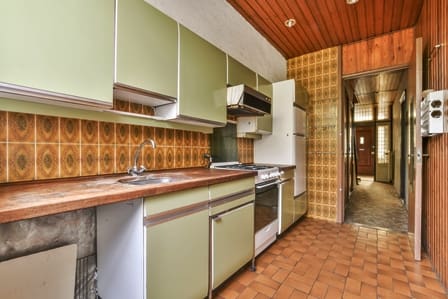
A property’s layout can influence both its current market value and its appeal to future buyers. Homes with unusually small bedrooms, limited storage, awkward room arrangements, insufficient natural light, or a lack of functional living space may struggle to compete with better-designed properties nearby. Some older homes also have floor plans that require expensive modifications to accommodate modern preferences, such as open living areas, larger kitchens, or additional bathrooms. Although cosmetic changes may improve the appearance of a room, moving walls, relocating plumbing, or changing structural components can require permits, professional expertise, and a substantial budget. Buyers should consider whether the existing design meets their needs and whether potential improvements would make financial sense when compared with purchasing a more functional home at a higher initial price.
Property Disclosures Could Reveal Important Red Flags
Seller disclosures and available property records can provide valuable information about problems that may influence a home’s price. Depending on applicable state law and the circumstances of the transaction, relevant information may include known water damage, previous repairs, roof issues, pest problems, flooding, or other material conditions. Buyers should review the available documentation carefully and ask appropriate questions about repairs, insurance claims, permits, and recurring maintenance concerns. A history of repairs does not automatically make a property a poor purchase, but buyers should understand what happened, whether the underlying problem was addressed, and whether supporting documentation is available. In Georgia, where disclosure obligations depend on the applicable law and transaction circumstances, buyers should work with qualified real estate professionals and legal advisers when clarification is needed rather than assuming every issue will be identified in a seller disclosure form.
The Home Could Have Flooding, Drainage, or Environmental Concerns
Environmental and site-related conditions can make one property less desirable than others in the same neighborhood. A home may sit on a low-lying lot, experience recurring water accumulation, have inadequate drainage, or face flood exposure that affects insurance costs and future resale prospects. Other concerns, such as soil instability, nearby environmental hazards, or previous water intrusion, may require additional investigation depending on the property’s location and history. Buyers should review available flood maps, ask about previous water problems, investigate drainage patterns, and obtain appropriate professional assessments when warning signs appear. Understanding these risks before purchasing is especially important because insurance availability, repair expenses, and future buyer concerns can affect the property’s long-term affordability and marketability.
High Ownership Costs Can Erase the Initial Savings
A low purchase price does not necessarily translate into an affordable home, particularly when ongoing ownership costs are higher than expected. Older properties may require more frequent repairs, while certain homes can carry higher insurance premiums, elevated utility bills, or additional maintenance expenses. Buyers should also investigate property taxes, homeowners association fees, special assessments, and any other recurring costs associated with the property. If the home has experienced water damage or has features that increase insurance risk, obtaining an insurance quote before closing can help prevent unpleasant surprises. Comparing the total expected cost of ownership against the cost of buying a more expensive but better-maintained property provides a more realistic basis for making a financial decision.
Resale Value May Be Limited Even in a Premium Neighborhood
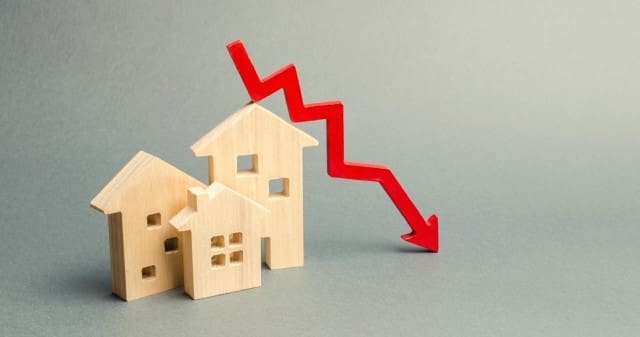
One of the biggest risks of purchasing the cheapest home in an expensive neighborhood is assuming that the property will eventually appreciate at the same rate as its neighbors. While location can support long-term demand, individual property characteristics may limit how much buyers are willing to pay when the home is eventually sold. A difficult floor plan, unfavorable lot position, extensive repair needs, or persistent neighborhood-specific drawback can continue to affect marketability even when the surrounding area remains desirable. Buyers who plan to renovate should estimate the property’s potential value after improvements using comparable sales of genuinely similar homes rather than relying on the highest sale price in the neighborhood. A property can still be a good investment at a discount, but the purchase makes more sense when the buyer understands the likely resale audience, realistic future value, and costs required to reach that value.
How to Determine Whether the Home Is a Genuine Bargain
Before making an offer, buyers should approach the property as an investment that requires careful evaluation rather than treating its low price as proof of exceptional value. Start by reviewing recent comparable sales, examining the property’s condition, and identifying differences between the home and more expensive properties nearby. Schedule a professional inspection, investigate potential structural or environmental issues, and obtain repair estimates for any significant problems discovered during the process. Buyers should also research property taxes, insurance costs, permit history where available, and neighborhood conditions that could affect future demand. By combining market research with a realistic renovation budget and an appropriate financial contingency, buyers can make a more confident decision about whether the discount justifies the risks.
Why Hiring a Real Estate Agent Can Help Protect Your Investment
Working with an experienced real estate agent can help buyers understand why a property is priced below comparable homes and whether the asking price reflects its actual market position. A knowledgeable agent can analyze recent comparable sales, identify differences in location and property features, and help buyers evaluate whether the listing price is consistent with the available market evidence. Agents can also help coordinate inspections, communicate with the seller, review available disclosures, and negotiate terms based on documented property concerns. In a market where expensive homes surround a discounted listing, this guidance can be particularly valuable because the lowest asking price does not always represent the best overall deal. Although an agent cannot guarantee that a property is free from defects or replace the expertise of inspectors, contractors, attorneys, or insurance professionals, the right real estate professional can help buyers ask better questions and navigate the transaction with greater confidence.
Questions to Ask Before Buying the Cheapest Home in the Neighborhood
Buyers can reduce uncertainty by asking specific questions before committing to a property that appears unusually inexpensive. Find out how long the home has been on the market, whether the asking price has changed, and how its condition compares with recently sold homes in the area. Ask about known repairs, the age of major systems, previous water intrusion, renovation permits, and any circumstances that might affect the property’s value or future marketability. It is also helpful to determine whether the property can be insured at a reasonable cost and whether planned improvements would require permits or specialized contractors. Getting clear answers does not eliminate every risk, but it can reveal whether the discount reflects a manageable renovation opportunity or a more complicated problem that deserves additional scrutiny.
Conclusion: Look Beyond the Price Tag Before Making an Offer
The cheapest home in an expensive neighborhood can be an excellent opportunity, but it can also signal hidden costs, undesirable property characteristics, or challenges that may affect future resale value. Buyers should look beyond the listing price and evaluate the home’s physical condition, location, renovation needs, ownership expenses, and long-term market potential. Professional inspections, comparable sales analysis, insurance research, and realistic repair estimates can help reveal whether the property offers genuine value. With careful preparation and guidance from an experienced real estate agent, buyers can make better-informed decisions without allowing an attractive price to overshadow important warning signs. Ultimately, the smartest purchase is not necessarily the least expensive home in the neighborhood, but the property that offers the right balance of price, condition, location, and long-term financial potential.
#RealEstateTips #HomeBuyingTips #RealEstateInvesting #HomeInspection #PropertyValue #RealEstateMarket #HomeBuyingMistakes #NeighborhoodValue #HomeRenovation #FirstTimeHomeBuyer
For a copy of our home buying process, please fill out the form on this page. The guide will be emailed immediately.
If you are looking for assistance in the metro Atlanta area, please reach out to us. We would love the opportunity to help you with your home purchase or sale.
If you are in another part of the country, we may be able to refer you to an agent in your market.
