
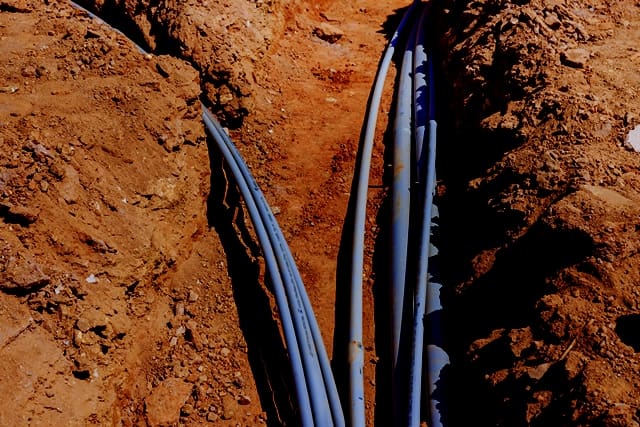
Buying a home involves more than evaluating the floor plan, neighborhood, price, and curb appeal. Buyers should also understand whether the property contains an underground utility easement that could affect how the land is used. A utility easement generally gives a utility company, municipality, or other authorized party certain rights to access or use a portion of private property for utility-related purposes. These easements may involve water lines, sewer pipes, natural gas lines, electrical infrastructure, telecommunications cables, or other underground services. Understanding the location and terms of an underground utility easement before closing can help buyers avoid unexpected restrictions and make a more informed real estate decision.
What Is an Underground Utility Easement?
An underground utility easement is a legal right allowing another party to use a defined portion of a property for specific utility purposes. The property owner typically retains ownership of the land, but the easement may give the utility provider the right to install, inspect, repair, replace, or maintain infrastructure beneath the surface. The exact rights depend on the language of the recorded easement, so buyers should never assume every easement has the same restrictions. Some easements may occupy only a narrow strip along a property boundary, while others can cross yards or extend through larger portions of the lot. Before purchasing a property, buyers should determine exactly where the easement is located and what activities are permitted within it.
Why the Easement Location Matters
The location of an underground utility easement can have a major impact on how a buyer can use the property. An easement running through a backyard may limit where the owner can construct a detached garage, swimming pool, retaining wall, addition, fence, or other permanent improvement. Utility providers may also need access to the easement area for maintenance or emergency repairs, potentially disrupting landscaping or other improvements. Even when the utility infrastructure is buried and invisible, the legal rights associated with it can remain important for decades. Buyers should therefore evaluate the easement location in relation to both existing improvements and future plans for the property.
Review the Property Survey and Plat
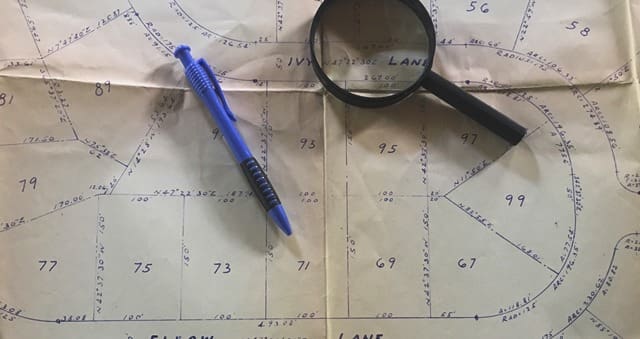
A property survey and subdivision plat can provide valuable information about the location and dimensions of an underground utility easement. These documents may identify easement boundaries, utility corridors, rights-of-way, drainage areas, and other recorded interests affecting the property. Buyers should carefully compare the survey with the physical layout of the lot to determine whether the easement passes beneath areas they may want to modify. It is also important to distinguish between the visible location of utility infrastructure and the legal boundaries of the easement itself. When questions arise, buyers should consider asking qualified real estate and legal professionals to explain the documents before making assumptions about their rights.
Understand Restrictions on Improvements
An underground utility easement does not necessarily mean a buyer cannot build or make improvements within the affected area. However, the easement agreement may impose restrictions that could affect construction, landscaping, excavation, or other activities. Utility companies may prohibit permanent structures over certain utility lines or require approval before particular improvements can be installed. Even a seemingly simple project, such as planting large trees or installing a fence, could create complications if it interferes with utility access or maintenance. Buyers who have specific plans for the property should investigate these restrictions before purchasing rather than discovering them after closing.
Consider Access and Maintenance Rights
Utility easements frequently include provisions allowing authorized parties to enter the property to inspect, repair, maintain, or replace underground infrastructure. This means buyers should understand that portions of their property may occasionally be accessed by utility personnel or contractors. Maintenance work could involve excavation, temporary removal of landscaping, equipment access, or other disruptions depending on the utility involved. The easement documents should clarify the nature and scope of those rights, although actual procedures can vary by utility provider and local requirements. Knowing these possibilities in advance can help buyers set realistic expectations about ownership and property maintenance.
Ask About Future Construction Plans
Buyers should think beyond the condition of the property on the day they purchase it. A backyard that appears spacious today might seem much smaller if an underground utility easement prevents construction of a future pool, workshop, addition, or other improvement. Before making an offer, buyers should identify their likely plans for the property and determine whether the easement could interfere with those goals. This is particularly important for buyers purchasing larger lots because the usable portion of the property may be more limited than it appears. Addressing these questions during the due diligence period can prevent expensive surprises after the transaction closes.
Do Your Due Diligence Before Closing
A thorough real estate due diligence process can help buyers understand potential easement issues before they become ownership problems. Buyers should review the title commitment, recorded easement documents, survey, plat, disclosures, and other available property records. When an easement is unclear, obtaining professional guidance may be worthwhile, particularly if the buyer has plans that could be affected by the easement. Buyers should also avoid relying solely on what can be seen above ground because underground utility infrastructure is often impossible to identify accurately through a visual inspection. Taking the time to investigate these rights before closing can provide greater confidence in the purchase.
Understand Who Holds the Easement

Not all underground utility easements are held by the same type of organization, and the identity of the easement holder matters. The rights could belong to a public utility, private utility company, municipality, homeowners association, or another entity depending on the property and local infrastructure. The recorded document should identify the parties involved and describe the purpose of the easement. Buyers should also determine whether the easement is permanent, temporary, exclusive, or subject to specific conditions. Understanding who has the rights to the easement can make it easier to determine who should be contacted with questions about construction, access, or utility work.
How a Real Estate Agent Can Help
Working with a knowledgeable real estate agent can make the process of identifying and understanding potential property issues much easier for buyers. A real estate agent can help buyers recognize when an easement shown on a survey, plat, or listing document deserves additional attention. Agents can also help coordinate questions with the seller, listing agent, title professionals, surveyors, and other appropriate parties during the transaction. While a real estate agent does not replace legal or title advice, their experience can help buyers ask better questions and keep important due diligence tasks moving forward. Having professional guidance throughout the purchase can help buyers evaluate not only whether a home looks appealing but also whether the property fits their long-term plans.
Underground Easements Should Not Automatically Be a Deal Breaker
Discovering an underground utility easement does not automatically mean a buyer should walk away from a property. Easements are common in residential real estate and can serve an important purpose by allowing essential utilities to reach homes and neighborhoods. The key issue is whether the easement’s location, restrictions, and access rights are compatible with the buyer’s intended use of the property. A buyer who understands the easement before closing may be perfectly comfortable purchasing the home, while another buyer with ambitious construction plans may decide that the restrictions are unacceptable. Evaluating the practical impact rather than simply reacting to the word “easement” can lead to a more informed purchasing decision.
Make Easements Part of the Buying Conversation
Underground utility easements may be easy to overlook because they are usually invisible from the street and often have little effect on the property’s appearance. Nevertheless, they can influence construction plans, landscaping decisions, access rights, maintenance responsibilities, and the overall use of the land. Buyers should review the relevant property documents, ask questions about restrictions, and understand where the easement is located before committing to the purchase. Real estate professionals can help buyers identify issues that deserve further investigation, while qualified legal and title professionals can provide guidance about the specific rights and obligations created by recorded documents. By making underground utility easements part of the standard home-buying conversation, buyers can reduce surprises and move toward closing with a clearer understanding of what they are actually purchasing.
Conclusion
Underground utility easements are an important consideration for home buyers because they can affect how a property is used even when the utility infrastructure is completely out of sight. Buyers should understand the easement’s location, purpose, holder, access rights, and restrictions before finalizing a purchase. Reviewing surveys, plats, title documents, and recorded easements can reveal important information that may not be obvious during a home showing. Buyers should also consider how an easement could affect future improvements, landscaping, maintenance, and resale plans. With careful due diligence and guidance from qualified real estate professionals, buyers can better understand underground utility easements and make confident decisions about their next property.
#RealEstate #HomeBuying #RealEstateTips #UtilityEasement #UndergroundUtilities #HomeBuyerTips #RealEstateDueDiligence #PropertyEasements #HomeBuyingTips #RealEstateEducation

For a copy of our home buying process, please fill out the form on this page. The guide will be emailed immediately.
If you are looking for assistance in the metro Atlanta area, please reach out to us. We would love the opportunity to help you with your home purchase or sale.
If you are in another part of the country, we may be able to refer you to an agent in your market.
