Selling your home is a major financial decision, and getting the highest possible return involves much more than choosing an attractive asking price. From preparing your property for the market to negotiating offers and navigating closing costs, every decision can affect how much money you ultimately keep. While some homeowners may consider selling without professional assistance to avoid paying a real estate commission, that approach can come with unexpected expenses, costly mistakes, and missed opportunities. An experienced real estate agent brings market knowledge, strategic marketing skills, and negotiation expertise that can help protect your financial interests throughout the selling process. Understanding how a real estate agent saves you money when listing your home can help you make informed decisions, avoid unnecessary expenses, and maximize your net proceeds at closing.
1. Pricing Your Home Correctly From the Start
Setting the right asking price is one of the most important ways a real estate agent can help you save money when selling your home. An experienced agent analyzes recent comparable sales, current listings, neighborhood trends, property condition, and buyer demand to develop a competitive pricing strategy. Overpricing your home can discourage qualified buyers, reduce showing activity, and cause your property to remain on the market longer than necessary. Extended market time may lead to additional mortgage payments, utility bills, insurance costs, and eventual price reductions that undermine your negotiating position. Underpricing without a deliberate strategy can also mean leaving money on the table, especially when the market supports a higher value. By using a comparative market analysis and monitoring buyer response, your agent can help you establish a realistic price that attracts serious interest while protecting your potential return.
2. Creating an Effective Marketing Strategy
Professional real estate marketing can help your home reach more qualified buyers and reduce the risk of a prolonged listing. Your agent can coordinate professional photography, compelling property descriptions, online listing exposure, digital promotion, and other marketing methods suited to your home’s features and target audience. Strong marketing helps prospective buyers understand the property’s value before scheduling a showing, potentially increasing interest and encouraging competitive offers. Without a coordinated strategy, your home may receive less visibility, attract fewer qualified prospects, or remain available longer than comparable properties. Your agent can also highlight selling points that buyers may overlook, such as functional layouts, storage, outdoor living areas, energy-efficient features, or desirable neighborhood amenities. Although marketing expenses and included services vary by agent and listing agreement, a thoughtful plan can help you avoid ineffective advertising expenditures while improving your property’s chances of attracting the right buyer.
3. Recommending Cost-Effective Home Improvements

Preparing your home for sale does not mean spending thousands of dollars on renovations that may never pay for themselves. A knowledgeable real estate agent can identify which repairs, updates, and cosmetic improvements are most likely to influence buyers in your local market. Simple changes such as fresh paint, improved lighting, decluttering, landscaping, and minor repairs may make a stronger impression than expensive upgrades to kitchens or bathrooms. Your agent can help you distinguish between improvements that address buyer concerns and projects that offer little potential financial benefit before listing. This guidance can prevent you from investing in features that buyers may not value or that comparable homes do not require to sell competitively. By focusing your budget on improvements that enhance presentation and address obvious objections, you can prepare your home for the market without overspending.
4. Negotiating a Higher Sale Price and Better Terms
The highest offer is not always the most profitable offer, and an experienced real estate agent can help you evaluate the complete financial picture. Beyond the proposed purchase price, your agent can examine financing terms, contingencies, requested concessions, closing timelines, and other conditions that may affect your net proceeds. Skilled negotiation may help you secure a stronger price, limit unnecessary seller-paid expenses, or find a compromise that keeps the transaction moving forward. For example, an offer with a slightly lower price but fewer concessions and more reliable financing could provide a better financial outcome than a higher offer with expensive conditions. Your agent can also help you respond strategically to repair requests, appraisal concerns, and competing offers without making emotional decisions that weaken your position. While no agent can guarantee a higher price or eliminate every negotiation risk, professional guidance can help you make decisions based on the transaction’s actual financial merits.
5. Preventing Expensive Transaction Mistakes
Real estate transactions involve contracts, disclosures, deadlines, contingencies, and documentation that must be handled carefully. Missing a contractual deadline or misunderstanding a buyer’s contingency can create delays, increase expenses, or place the transaction at risk. A real estate agent helps coordinate the steps involved in a typical sale, communicate with the buyer’s agent, track important dates, and identify issues that may require attention. Your agent can also help you understand your contractual responsibilities and determine when you should consult an attorney, tax professional, or other qualified specialist. Avoiding preventable problems may reduce the likelihood of repeated negotiations, unnecessary carrying costs, or a failed transaction that forces you to restart the selling process. Although professional representation cannot eliminate every legal or financial risk, an organized transaction can help protect your time, money, and peace of mind.
6. Helping You Avoid Unnecessary Staging and Preparation Costs
Home staging can make a property more appealing, but not every home needs a complete furniture makeover or expensive professional staging package. A real estate agent can assess your home’s current presentation and recommend an appropriate level of preparation based on buyer expectations, competing listings, and your budget. In some cases, rearranging existing furniture, removing personal items, improving cleanliness, and adding a few affordable accessories may be sufficient to make rooms feel more inviting. For vacant properties or homes with unusual layouts, targeted professional staging may be worth considering if it addresses specific presentation challenges. Your agent can help you compare available options, obtain estimates where appropriate, and prioritize changes that are most likely to improve the buyer experience. By tailoring staging decisions to your property rather than following a one-size-fits-all approach, you can avoid unnecessary spending while still presenting your home effectively.
7. Managing Inspections, Repairs, and Buyer Requests Strategically
Home inspections can uncover issues that affect negotiations, but not every recommendation requires an expensive repair before closing. A real estate agent can help you understand the difference between routine maintenance, significant defects, and cosmetic concerns that buyers may raise during the inspection period. Your agent can help coordinate appropriate estimates from qualified professionals, communicate with the buyer’s representative, and evaluate potential responses within the terms of the contract. Depending on the circumstances, a negotiated credit, a limited repair, or another mutually acceptable solution may be more practical than completing a lengthy list of requested improvements. Addressing obvious maintenance problems before listing can also help reduce surprises and give you more control over repair decisions. Because inspection findings, disclosure obligations, and negotiation rights vary by property and contract, your agent can help you navigate the process while recommending legal or professional advice when necessary.
8. Reviewing Closing Costs and Protecting Your Net Proceeds

Your final profit depends on more than the price a buyer agrees to pay, which makes understanding seller closing costs essential. Depending on your location and transaction, expenses may include real estate commissions, title or closing fees, transfer taxes, prorated property taxes, mortgage payoff amounts, agreed-upon concessions, and other contract-related charges. A real estate agent can help you prepare an estimated seller net sheet that outlines anticipated expenses and shows how different offers or concessions could affect the amount you receive. This estimate allows you to compare offers more accurately, plan for your next purchase, and identify potential financial surprises before closing. Your agent can also help you review proposed concessions and negotiate terms that may reduce unnecessary out-of-pocket costs when the circumstances support it. Actual charges depend on local practices, the listing agreement, the purchase contract, and your individual financial situation, so confirm final figures with the closing professional and any relevant financial advisers.
Why Hiring a Real Estate Agent Can Be a Smart Financial Decision
Hiring a real estate agent is an investment in professional guidance, market expertise, and a more organized selling process. Although agent commissions and other listing expenses should be considered when evaluating your options, avoiding those costs does not automatically mean you will keep more money from the sale. A qualified agent can help you price your home appropriately, market it effectively, negotiate favorable terms, manage buyer requests, and avoid preventable transaction problems. The value of that assistance depends on your property, local market conditions, the agent’s experience, and the services outlined in your listing agreement. Before choosing an agent, ask about their pricing methodology, marketing plan, communication practices, negotiation experience, and complete compensation structure so you understand what you are paying for. Comparing these factors can help you select a professional whose approach aligns with your financial goals and gives you confidence throughout the selling process.
Conclusion: Maximize Your Home Sale Profits With the Right Strategy
Selling your home successfully requires a clear understanding of pricing, preparation expenses, marketing, negotiations, and closing costs. A knowledgeable real estate agent can help you make smarter decisions in each of these areas, potentially reducing unnecessary spending and protecting the proceeds from your sale. From recommending cost-effective improvements to evaluating offers and managing inspection requests, professional guidance can make a meaningful difference in your overall selling experience. The key is to choose an agent who understands your local market, communicates clearly, and develops a strategy around your property’s strengths and your financial priorities. Before listing, discuss your expected expenses, likely sale price, marketing options, and estimated net proceeds so you can establish realistic expectations. With the right preparation and professional support, you can approach the home-selling process with greater confidence and work toward the strongest financial outcome your market and circumstances allow.
#RealEstateAgent #SellingYourHome #HomeSellingTips #RealEstateAdvice #HomeSellingStrategy #SellYourHouse #RealEstateMarketing #HomeValue #SellerTips #RealEstateNegotiation #HomeSellingCosts #RealEstateExpert
Expert Assistance:
To reach out to Richard for expert assistance in the Decatur & Atlanta markets, reach out here.
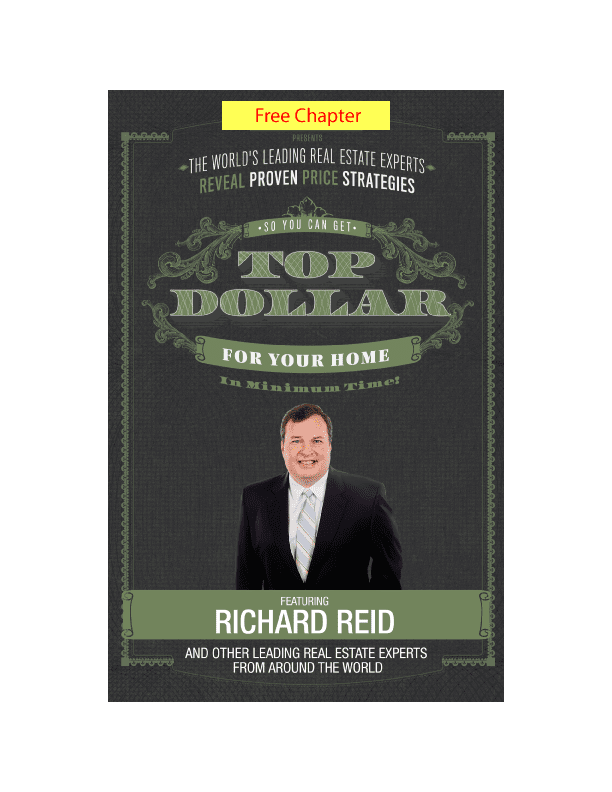
You can also ask Richard for a copy of his contribution to the best-selling book Top Dollar – by completing the form linked here.