

Buying a home is an exciting experience, especially when you finally find a property that checks most of the boxes on your wish list. However, between comparing properties, evaluating prices, securing financing, and imagining your future in a new space, it is easy to overlook important details. Some of these details may seem minor during an initial showing but can become expensive problems after closing. Buyers naturally focus on attractive kitchens, spacious bedrooms, updated bathrooms, and desirable neighborhoods, while less obvious considerations receive less attention. This is where having an experienced real estate agent can make a meaningful difference. An agent looks beyond the obvious features, asks questions buyers may not think to ask, and helps identify potential concerns before they become costly surprises.
1. The Neighborhood Beyond the Immediate Street
Finding a beautiful home on a quiet street does not necessarily mean the surrounding neighborhood offers the lifestyle you expect. Buyers sometimes overlook nearby commercial developments, traffic patterns, noise levels, school boundary changes, and future construction projects. A neighborhood that feels peaceful during a Saturday afternoon showing may look very different during weekday rush hour. It is also worth investigating nearby properties, zoning information, planned road improvements, and community development proposals that could affect convenience or property values. A real estate agent familiar with the local market can provide valuable insight into neighborhood trends and help buyers investigate potential changes that may not be immediately apparent. Taking time to evaluate the broader area helps ensure that you are purchasing a home in a location that supports both your lifestyle and long-term investment goals.
2. Storage Space and Everyday Functionality
A home can look spacious during a showing but still lack the storage and functional space needed for everyday living. Buyers often concentrate on square footage without considering how much usable storage is actually available. Look carefully at bedroom closets, kitchen cabinets, pantry space, garage storage, linen closets, and areas for seasonal belongings. Consider where you will keep cleaning supplies, sporting equipment, holiday decorations, luggage, and other items that may not be visible during a showing. An experienced agent may point out storage limitations or unusual layouts that buyers overlook when they are focused on the home’s appearance. Thinking about how your belongings will fit into the property can help prevent frustration after moving day.
3. Signs of Deferred Maintenance
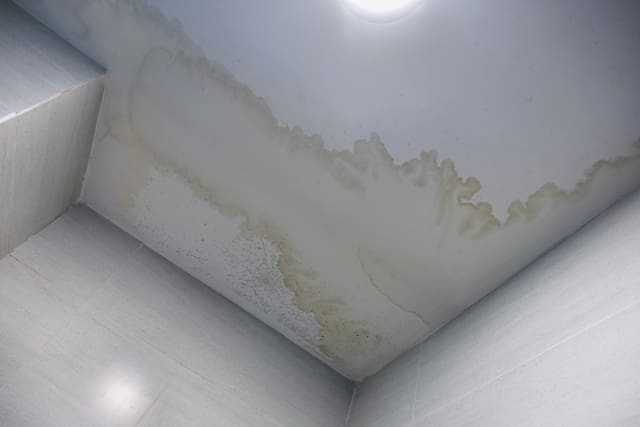
Fresh paint, attractive flooring, and updated fixtures can make a property appear move-in ready, but cosmetic improvements do not always indicate that the home has been properly maintained. Buyers may overlook aging HVAC equipment, plumbing concerns, roof deterioration, drainage problems, outdated electrical components, or evidence of previous water intrusion. These issues can be difficult to recognize during a brief showing, particularly when furniture, rugs, and decorative elements conceal certain areas. Your real estate agent can help identify potential warning signs and recommend that you investigate concerns further with qualified professionals. A professional home inspection is especially important because an attractive appearance should never replace an evaluation of the property’s major systems and components. Understanding the home’s maintenance history and potential repair needs allows you to make a more informed decision before committing to the purchase.
4. The True Cost of Homeownership
Many buyers carefully calculate their mortgage payment but overlook the additional expenses associated with owning a property. Property taxes, homeowners insurance, utilities, maintenance, landscaping, pest control, HOA fees, and unexpected repairs can significantly affect your monthly budget. Some homes may also require specialized maintenance for swimming pools, septic systems, private wells, extensive landscaping, or older mechanical equipment. Insurance costs deserve particular attention because a property’s location, age, construction, and claims history may affect coverage availability and premiums. A knowledgeable real estate agent can help buyers identify property-specific expenses and recommend questions to ask insurance providers, lenders, and other professionals. Evaluating the complete cost of ownership before making an offer helps prevent a situation where the mortgage is affordable but the overall expense of maintaining the home becomes overwhelming.
5. Drainage, Grading, and Water Management
Water-related problems are among the most important issues buyers should investigate, yet they are easy to overlook when a property looks attractive and well maintained. Pay attention to the slope of the yard, the direction of downspouts, standing water, drainage channels, retaining walls, and areas where soil appears unusually damp. Poor grading can direct water toward the foundation, potentially contributing to moisture intrusion, erosion, or structural concerns. Buyers should also investigate flood zone designations, previous water damage, drainage easements, and whether the property has experienced recurring flooding. An experienced real estate agent knows that these concerns deserve attention and can help coordinate additional inspections or recommend appropriate specialists when warning signs appear. Identifying water management problems before closing can help buyers avoid unexpected repair expenses and protect the long-term condition of their investment.
6. Property Boundaries, Easements, and Shared Responsibilities
A property’s visible yard does not always tell the complete story about its legal boundaries or how the land can be used. Buyers may assume that fences, landscaping, driveways, and outdoor structures accurately reflect the property lines, but that is not always the case. Easements may give utility companies or neighboring property owners certain rights to access portions of the land. Shared driveways, private roads, drainage areas, and neighborhood maintenance agreements can also create responsibilities that buyers did not anticipate. Your real estate agent can help identify questions about surveys, recorded easements, boundary concerns, and shared access arrangements that should be investigated before closing. Reviewing the appropriate property documents and consulting qualified legal professionals when necessary can help prevent future disagreements and unexpected limitations on how you use your property.
7. Resale Potential and Future Buyer Appeal
When purchasing a home, it is natural to focus on how well the property meets your current needs, but it is equally important to consider its future resale potential. Buyers sometimes overlook features that could make a home more difficult to sell later, including an unusual floor plan, limited parking, challenging access, a less desirable location, or a lack of functional living space. Certain improvements may also be expensive without adding comparable value to the property. Consider whether the home will appeal to a reasonable range of future buyers and whether the surrounding area supports long-term demand. An experienced real estate agent can provide valuable market expertise by comparing similar properties, discussing neighborhood trends, and identifying features that may influence future resale opportunities. Although no one can guarantee future appreciation, evaluating resale potential before purchasing can help you make a more strategic real estate investment.
8. Important Contract Deadlines and Contingencies

The excitement of having an offer accepted can cause buyers to underestimate how many important details must be managed before closing. Purchase agreements include deadlines for inspections, financing, appraisals, earnest money, due diligence, and other contractual obligations. Missing a deadline or misunderstanding a contingency could create financial consequences or affect your ability to terminate the agreement under the contract’s terms. Buyers may also overlook the importance of reviewing disclosures, understanding repair negotiations, and confirming that agreed-upon items are addressed before closing. An experienced real estate agent provides essential guidance throughout this process by tracking deadlines, coordinating communication, explaining transaction procedures, and helping buyers understand when additional professional advice is needed. Having someone closely manage the transaction helps reduce confusion and keeps the purchase moving toward a successful closing.
Why Hiring an Experienced Real Estate Agent Matters During the Home Buying Process
Hiring an experienced real estate agent is about much more than finding properties and scheduling showings. A knowledgeable agent understands the home buying process and recognizes that important details can easily get lost in the excitement of purchasing a property. Experience provides perspective when evaluating market conditions, identifying potential red flags, reviewing transaction timelines, and helping buyers determine whether a property represents a reasonable investment. An agent can also help coordinate inspections, communicate with the seller’s representative, negotiate appropriate contract terms, and guide buyers through unexpected challenges. Just as importantly, an experienced professional knows when an issue requires the expertise of a home inspector, surveyor, attorney, insurance specialist, or other qualified professional. Having an advocate who pays attention to the details can make the difference between simply purchasing a house and making a well-informed real estate decision.
Conclusion: Look Beyond the Features You Can See
Buying a home involves much more than finding a property with an attractive appearance, desirable features, and a convenient location. The details that buyers overlook during the home buying process can have a lasting impact on their finances, lifestyle, and future resale opportunities. From neighborhood development and maintenance concerns to property boundaries, drainage, and contract deadlines, every detail deserves careful consideration. Taking the time to investigate these areas before closing can help prevent expensive surprises and provide greater confidence in your purchase. Working with an experienced real estate agent gives buyers an additional layer of guidance, market knowledge, and transaction support throughout the process. Ultimately, the smartest home purchase is not necessarily the property that looks best during a showing, but the one that makes sense after all the important details have been considered.
#HomeBuyingTips #HomeBuyingProcess #FirstTimeHomeBuyer #RealEstateAdvice #BuyingAHome #HomeInspection #RealEstateAgent #HomeBuyerChecklist #PropertyInvestment #RealEstateTips #SmartHomeBuying
