
Local festivals and stadiums can have a surprisingly powerful influence on property values, neighborhood desirability, and real estate demand. From annual music festivals and food events to professional sports stadiums and entertainment venues, these attractions can change how buyers, sellers, and investors perceive a community. A neighborhood that offers convenient access to entertainment and cultural activities may attract buyers who value an active lifestyle and a strong sense of community. At the same time, increased traffic, parking challenges, noise, and crowds can create concerns for homeowners living closest to major event venues. Understanding how local festivals and stadiums affect real estate can help buyers make smarter decisions and help sellers position their properties more effectively. The relationship between entertainment venues and home values is complex, making local market knowledge especially important when evaluating a property’s potential.
Local Festivals Can Increase Neighborhood Appeal
Local festivals often contribute to a stronger community identity and can make a neighborhood more attractive to potential homebuyers. Events such as art festivals, farmers markets, food festivals, music celebrations, and holiday gatherings can create opportunities for residents to socialize and enjoy their local area. Buyers frequently consider lifestyle factors when choosing where to live, and a community with regular events may offer an appealing combination of entertainment and neighborhood engagement. Popular festivals can also attract visitors who discover local restaurants, shops, parks, and other amenities during their visit. Increased visibility may encourage future tourism, business development, and interest in the surrounding area. As a result, homes located near well-organized and highly regarded festivals may benefit from increased neighborhood recognition and buyer demand.
Stadiums and Entertainment Venues Can Drive Demand
Major stadiums and entertainment venues can influence property values by attracting businesses, visitors, employees, and new development to surrounding neighborhoods. Restaurants, hotels, retail stores, and other commercial businesses may open near successful venues in order to serve event attendees. This economic activity can contribute to neighborhood revitalization and create new employment opportunities, which may strengthen local real estate demand. Buyers who enjoy professional sports, concerts, and live entertainment may also be willing to pay more for convenient access to these attractions. In some markets, new stadium construction can become a catalyst for additional residential and commercial development. However, the impact on property values depends heavily on the quality of the development, the local economy, transportation infrastructure, and how the venue affects the immediate neighborhood.
Proximity Can Be Both an Advantage and a Disadvantage

Living close to a festival location or stadium can offer convenience, but being too close may create challenges that affect a property’s appeal. Homeowners may enjoy the ability to walk to sporting events, concerts, restaurants, and community celebrations without dealing with long drives. Walkability and easy access to entertainment can be major selling points, particularly for buyers seeking an active and convenient lifestyle. On the other hand, frequent traffic congestion, limited parking, noise, litter, and large crowds may discourage some potential buyers. Properties located directly beside a major venue may experience different market conditions than homes located a few blocks away. The ideal distance often depends on the specific buyer, the frequency of events, local transportation options, and the effectiveness of neighborhood planning.
Economic Development Can Support Property Values
Successful festivals and stadiums can generate economic activity that extends beyond the event itself. Visitors may spend money at local restaurants, stores, hotels, and entertainment businesses, helping support the broader local economy. Increased business activity can encourage additional investment and contribute to improvements in roads, public spaces, and community amenities. When an area becomes more vibrant and economically active, demand for nearby housing may increase as more people want to live close to employment and entertainment opportunities. New residential developments may also emerge when developers recognize growing interest in a revitalized neighborhood. While economic growth does not automatically guarantee rising home values, strong and sustainable development can create conditions that support long-term real estate appreciation.
Community Reputation Can Influence Real Estate Demand
A strong reputation as an entertainment destination can make a community more recognizable and attractive to potential buyers and investors. A city or neighborhood known for hosting successful festivals, sporting events, or cultural celebrations may develop a distinctive identity that separates it from competing real estate markets. Positive media attention and visitor experiences can introduce new people to the area and increase awareness of local housing opportunities. Over time, some visitors may become renters, business owners, or future homebuyers in the community. A thriving event calendar can also signal that a neighborhood offers cultural opportunities and an active lifestyle. For sellers, highlighting nearby entertainment, festivals, and sporting venues can be an effective part of a broader real estate marketing strategy when those attractions align with the interests of likely buyers.
Traffic, Parking, and Noise Can Affect Buyer Interest
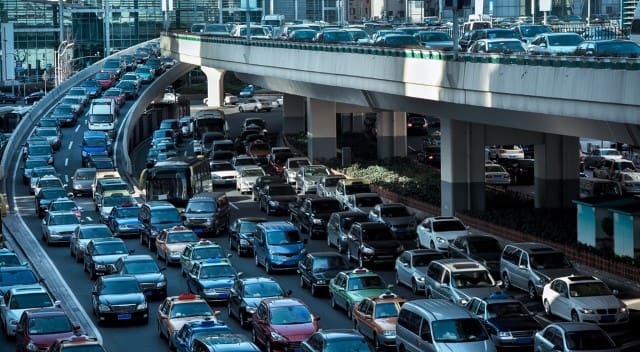
The potential downsides of living near popular event venues should not be overlooked when evaluating property values. Large festivals and stadium events can bring significant traffic congestion before and after major events, making it more difficult for residents to travel through their own neighborhoods. Parking can become a serious concern if visitors use residential streets instead of designated parking areas. Noise from concerts, crowds, fireworks, and late-night activities may also affect the quality of life for nearby homeowners. These issues can reduce buyer interest in certain properties, particularly among families, retirees, remote workers, and buyers seeking quiet surroundings. Communities that successfully manage transportation, parking, security, and noise may be better positioned to enjoy the economic benefits of major events while minimizing negative effects on nearby property values.
How a Real Estate Agent Can Help
Hiring a real estate agent can be especially beneficial when buying or selling property near local festivals, stadiums, or other major entertainment venues. A knowledgeable agent can evaluate how location, traffic patterns, neighborhood development, buyer preferences, and recent comparable sales may influence a property’s market value. Real estate agents can also help buyers understand whether a home’s proximity to a venue is likely to be an advantage or a potential concern based on the local market. For sellers, an experienced agent can identify the property’s strongest lifestyle benefits and develop a marketing strategy that targets the most appropriate audience. Agents can provide valuable insight into planned development projects, changing neighborhood conditions, and factors that may influence future demand. Their local market expertise can help clients make more informed decisions and navigate the unique opportunities and challenges associated with properties near popular event destinations.
Buyers Should Evaluate Long-Term Development Plans
Homebuyers should look beyond the current festival schedule or stadium calendar when evaluating a property’s long-term potential. Planned transportation projects, mixed-use developments, new businesses, and future entertainment venues can all influence how a neighborhood changes over time. Buyers should consider whether local infrastructure is prepared to handle future growth and whether new development is likely to improve or disrupt the community. Researching zoning changes and proposed construction projects can also provide important clues about future property values and neighborhood character. A quiet residential area today could become a much busier entertainment district in the future, while an underdeveloped area near a planned stadium could experience significant growth. Considering both current conditions and future possibilities can help buyers make more strategic real estate decisions.
Sellers Can Use Nearby Attractions as a Marketing Advantage
Home sellers located near popular festivals, stadiums, and entertainment venues may be able to use those amenities as part of an effective property marketing strategy. Instead of simply describing a home’s square footage and number of bedrooms, sellers can highlight the lifestyle opportunities available in the surrounding community. Walking distance to restaurants, access to annual festivals, nearby sporting events, and entertainment options can appeal to buyers who value convenience and local experiences. Professional listing descriptions, photography, social media campaigns, and neighborhood-focused marketing can help communicate these benefits to the right audience. At the same time, sellers should be realistic about potential concerns such as traffic or event noise and work with their real estate agent to position the property effectively. A targeted marketing approach can help attract buyers who view the location as a desirable feature rather than a disadvantage.
Conclusion
Local festivals and stadiums can influence property values in a variety of ways, creating both opportunities and challenges for homeowners, buyers, sellers, and real estate investors. Popular events and entertainment venues can increase neighborhood visibility, support economic development, attract businesses, and create lifestyle amenities that strengthen buyer demand. However, traffic, parking problems, noise, and large crowds can also affect how potential buyers evaluate homes located near these attractions. The impact on property values often depends on the property’s exact location, the quality of local infrastructure, the frequency of events, and the overall health of the surrounding real estate market. Buyers should carefully evaluate both the benefits and potential drawbacks of living near major venues, while sellers should understand how to market nearby attractions to the right audience. By working with a knowledgeable real estate agent and considering long-term community development, property owners can make better decisions about buying, selling, and investing in neighborhoods shaped by local festivals and stadiums.
#RealEstate #PropertyValues #LocalFestivals #StadiumLiving #RealEstateMarket #HomeBuying #HomeSelling #NeighborhoodDevelopment #RealEstateAgent #CommunityEvents #PropertyInvestment #LocalAmenities