

Buying a home is an exciting milestone, but it’s essential to prepare for all the expenses involved—including closing costs. Many first-time buyers are surprised by the additional fees that arise at the end of a transaction, which can affect their overall budget. Closing costs typically range from 2% to 5% of the home’s purchase price, and knowing what to expect can make the process smoother. These costs include a variety of services such as appraisals, title searches, taxes, and lender fees. Understanding and planning for these expenses ensures you’re not caught off guard during one of the biggest purchases of your life.
What Do Closing Costs Include?
Closing costs encompass several line items that are essential for finalizing a real estate transaction. Common expenses include loan origination fees, title insurance, escrow deposits, and attorney fees, depending on your state. Other charges may involve the home inspection, appraisal, credit report, and transfer taxes. Lenders often provide a Loan Estimate early in the process to help buyers anticipate these charges, but it’s important to read the Closing Disclosure document closely before signing. Each of these costs serves a specific purpose and ensures that the sale is secure, legal, and binding.
Who Pays Closing Costs?
Typically, buyers pay most of the closing costs, but this can vary based on the terms of the sale and local customs. In some cases, sellers may agree to cover part of the buyer’s closing costs as an incentive, especially in a buyer’s market. Lenders also sometimes offer programs that allow buyers to roll closing costs into the mortgage or receive credits in exchange for slightly higher interest rates. It’s important to negotiate these terms upfront and understand what’s standard in your area. Working with your real estate agent can help clarify who is responsible for which fees.
How Much Should Buyers Budget for Closing Costs?

A good rule of thumb is to set aside between 2% and 5% of the home’s purchase price for closing costs. For example, if you’re buying a $300,000 home, you should expect to pay between $6,000 and $15,000 at closing. This range varies based on location, lender policies, and the services required for your transaction. Some areas have higher taxes or mandatory services that increase the total amount. Buyers should also account for prepaid items like homeowners insurance and property taxes, which are often collected upfront to fund escrow accounts.
The Benefits of Hiring a Real Estate Agent
Hiring a real estate agent is one of the smartest moves a buyer can make when navigating closing costs. An experienced agent will help you understand each fee, spot any unnecessary charges, and negotiate better terms when possible. They can also guide you through the paperwork, explain your Loan Estimate and Closing Disclosure, and advocate for you during negotiations. Real estate agents often have relationships with trusted local professionals like inspectors, attorneys, and lenders, which can streamline the process and save you money. Their knowledge and advocacy ensure that you’re making informed decisions at every stage of the transaction.
Tips for Reducing Closing Costs
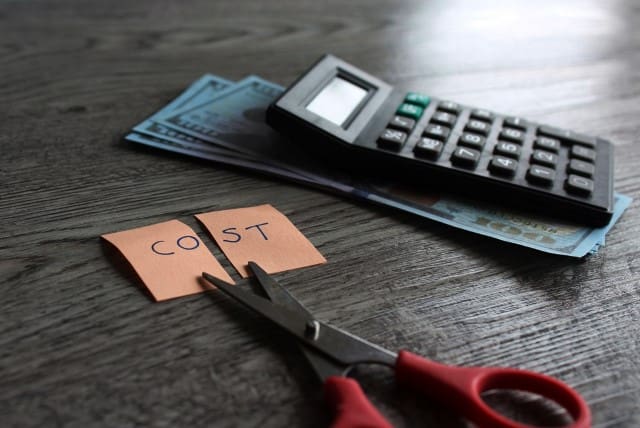
There are several ways buyers can reduce their closing costs and still get a great deal on a home. Shopping around for lenders can result in lower fees and interest rates. Asking the seller to contribute to closing costs, especially in slower markets, can ease your out-of-pocket burden. Some lenders offer discounts for first-time buyers or programs that minimize upfront expenses. You can also compare third-party services like title insurance or home inspections to find competitive rates. Educating yourself and asking the right questions can lead to significant savings.
Conclusion
Understanding closing costs is critical for any homebuyer aiming to make a financially sound investment. From loan fees to taxes, each cost plays a role in ensuring the property is transferred legally and efficiently. By budgeting wisely, leveraging your real estate agent’s expertise, and exploring cost-saving strategies, you can approach closing day with confidence. Preparation is key, and being informed about these often-overlooked expenses will help you avoid surprises and keep your homeownership journey on track. With the right knowledge and support, you’ll be fully equipped to navigate closing costs and move into your new home smoothly.
#homebuyingtips #closingcosts #realestateadvice #homebuyersguide #realestateagenthelp

For a copy of our home buying process, please fill out the form on this page. The guide will be emailed immediately.
If you are looking for assistance in the metro Atlanta area, please reach out to us. We would love the opportunity to help you with your home purchase or sale.
If you are in another part of the country, we may be able to refer you to an agent in your market.
