

Lighting is one of the most powerful yet often overlooked tools when it comes to selling a home. Properly designed lighting can highlight a property’s best features, create an inviting atmosphere, and influence buyer perception in subtle but impactful ways. Whether it’s natural sunlight streaming through windows or strategically placed fixtures, lighting can make spaces feel larger, warmer, and more welcoming. Sellers who understand the importance of lighting can gain a competitive edge in a crowded real estate market. In this post, we’ll explore how effective lighting can help you sell your home faster and for a better price.
Using Artificial Lighting Strategically
Artificial lighting can complement natural light and enhance a home’s aesthetic appeal. Layered lighting, including ambient, task, and accent lights, allows rooms to be functional while creating a warm, welcoming ambiance. For example, under-cabinet lighting in kitchens, floor lamps in living areas, and pendant lights in dining rooms can emphasize the home’s best features. Energy-efficient LED bulbs with a soft, warm tone are ideal for creating a comfortable atmosphere. Sellers should ensure all fixtures are clean, modern, and in working order to give buyers a polished impression.
The Role of Natural Light
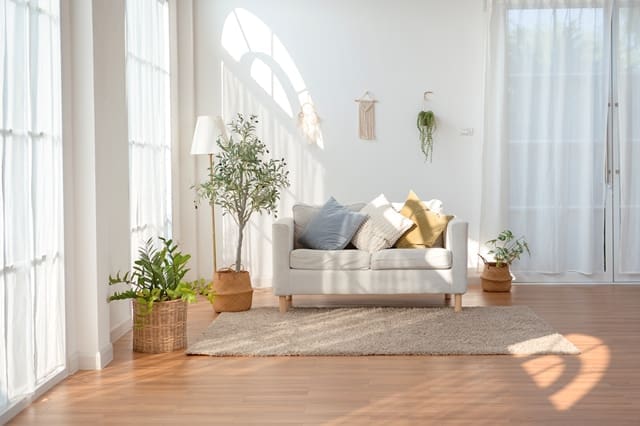
Natural light has a significant impact on how potential buyers perceive a home. Sunlit rooms tend to feel more spacious, cheerful, and inviting, which can create a positive emotional connection. Simple changes like opening blinds, trimming outdoor shrubs, or adding mirrors to reflect sunlight can dramatically improve a room’s appearance. Highlighting natural light in listing photos is equally important, as bright images attract more online views. Homes with ample natural light often sell faster and at higher prices because buyers feel more comfortable and energized in well-lit spaces.
Consult Your Agent
A professional real estate agent can provide invaluable guidance on using lighting to sell your home. Agents understand market trends and buyer preferences, helping you stage your home to appeal to the widest audience. They can recommend where to place lights, what type of bulbs to use, and how to optimize both natural and artificial lighting for showings and photographs. Experienced agents also know how to combine lighting with other staging strategies to maximize your home’s perceived value. Partnering with an agent ensures your property is presented in the best possible light—literally and figuratively—making the selling process smoother and more profitable.
Highlighting Key Features

Lighting is essential for drawing attention to a home’s standout features. Artwork, architectural details, and focal points like fireplaces or built-in shelving can all benefit from well-placed accent lighting. Even outdoor features, such as landscaped gardens or a deck, can be enhanced with subtle exterior lights to make the property more inviting during evening showings. Proper lighting can also mask minor imperfections by focusing the eye on a room’s highlights. By strategically placing lights, sellers can guide buyers’ attention and create memorable impressions that may influence offers.
Conclusion
Lighting is a critical element in creating an appealing, memorable home that attracts buyers and encourages higher offers. By maximizing natural light, using artificial lighting strategically, and highlighting key features, sellers can elevate the overall presentation of their property. Hiring a skilled real estate agent further enhances these efforts by ensuring your home looks its absolute best. With thoughtful lighting, your home can stand out in the market, leave a lasting impression, and sell faster. Never underestimate the power of light—it might be the simplest upgrade with the biggest return.
#HomeSellingTips #RealEstateStaging #LightingForHomes #SellYourHomeFaster #RealEstateMarketing #HomeStagingTips
