
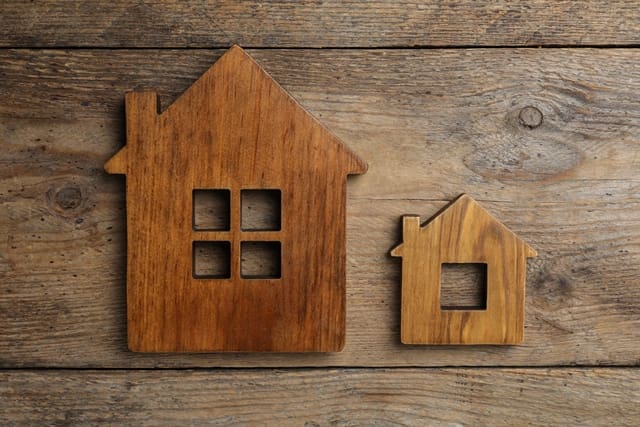
Downsizing your home can be a powerful financial move, especially for homeowners looking to simplify their lifestyle and reduce expenses. Whether you’re an empty nester, planning for retirement, or simply seeking a more manageable space, downsizing offers an opportunity to improve your financial health. However, many homeowners worry about whether moving into a smaller home might still lead to new debt. The good news is that with careful planning and smart financial decisions, downsizing can actually help eliminate debt instead of creating it. Understanding how to approach the process strategically allows you to maximize your home equity while transitioning into a home that better fits your current needs.
Understanding the Financial Benefits of Downsizing
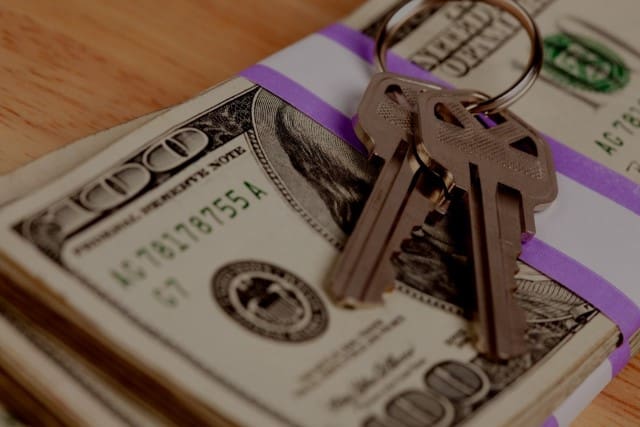
One of the biggest advantages of downsizing is the potential financial relief it can provide. Selling a larger home often allows homeowners to access built-up equity, which can then be used to purchase a smaller home outright or significantly reduce the size of a new mortgage. Lower housing costs often come in the form of reduced property taxes, smaller utility bills, and decreased maintenance expenses. These savings can free up monthly income and create more financial stability. For many homeowners, downsizing becomes a strategic way to improve cash flow while also simplifying their lifestyle. When approached carefully, the process can strengthen your financial position rather than add financial strain.
Evaluating Your Current Equity and Expenses
Before making the move to a smaller home, it’s essential to understand your current financial position. Start by evaluating how much equity you have built in your existing home and what it may sell for in the current market. Compare that potential profit to the cost of purchasing a smaller property in your desired area. In many cases, homeowners are able to purchase their next home with little to no mortgage by leveraging their existing equity. You should also review closing costs, moving expenses, and any repairs needed to prepare your home for sale. Having a clear financial picture ensures you can downsize without taking on additional debt.
Choosing a Home That Fits Your Budget
A common mistake when downsizing is purchasing a home that still stretches your budget. The goal of downsizing is not only to reduce square footage but also to reduce financial obligations. Look for properties that align with your long-term financial goals rather than simply choosing the most appealing home. Consider factors like property taxes, HOA fees, maintenance costs, and insurance expenses before making a purchase. A smaller home should ideally come with smaller financial responsibilities. Being disciplined in your home selection helps ensure that downsizing truly improves your financial freedom.
Reducing Possessions Before the Move

Downsizing is not just about moving to a smaller home; it also involves simplifying your belongings. Many homeowners accumulate years or decades of possessions that may not fit comfortably in a smaller property. Selling unused items, donating furniture, and decluttering before the move can significantly reduce moving costs. In some cases, homeowners even generate extra cash by selling valuable items they no longer need. This process also makes the transition to a smaller home much smoother and less stressful. A simplified lifestyle often accompanies successful downsizing and can help reinforce long-term financial goals.
Why Hiring a Real Estate Agent Helps You Downsize Successfully
Working with a real estate agent can make the downsizing process far more efficient and financially beneficial. An experienced agent understands how to price your home correctly to maximize its sale value while minimizing the time it spends on the market. They can also help you identify smaller homes that fit your budget and financial goals. Additionally, agents often have strong negotiation skills that can help you secure better terms when buying your next property. From coordinating showings to managing offers and contracts, a real estate professional helps streamline the process while reducing costly mistakes. Having expert guidance allows homeowners to downsize confidently without risking unnecessary debt.
Planning the Timing of Your Sale and Purchase
Timing plays a significant role in whether downsizing becomes financially beneficial. Ideally, homeowners want to sell their current property when market demand is strong and home values are high. This helps maximize the equity you can use toward your next home. At the same time, monitoring local housing trends can help you identify opportunities to purchase a smaller property at a favorable price. Some homeowners even choose temporary housing or short-term rentals to allow flexibility during the transition. Strategic timing can help protect your finances and ensure your downsizing move remains debt-free.
Conclusion
Downsizing without debt is entirely achievable with careful planning and smart decision-making. By understanding your home equity, selecting a property within your financial comfort zone, and simplifying your belongings, you can make the transition smoother and more financially rewarding. Downsizing offers an opportunity to reduce expenses, free up cash flow, and create a lifestyle that aligns with your current needs. Working with experienced real estate professionals and carefully planning the timing of your move can further strengthen your financial outcome. Ultimately, a well-executed downsizing strategy allows homeowners to enjoy a simpler home and a healthier financial future.
#RealEstateTips #Downsizing #DebtFreeLiving #HomeSellingTips #HomeBuyingStrategy #FinancialFreedom #RealEstateAdvice #HomeEquity #SmartHomeowners #HousingMarket

Richard has extensive experience in all aspects of buying and selling residential property. He has sold more than 400 homes and well over $100 million in residential real estate. There’s no need to guess. Get expert advice that will allow you to buy and sell with confidence and ease.
For neighborhood guides about Decatur and other intown neighborhoods, click here.
To learn more about the value of your home, please complete the form here.
If you are looking to purchase a home, please reach out here. We would love to help you have a wonderful buying experience.
You can always reach us through the Contact Us page here as well.
