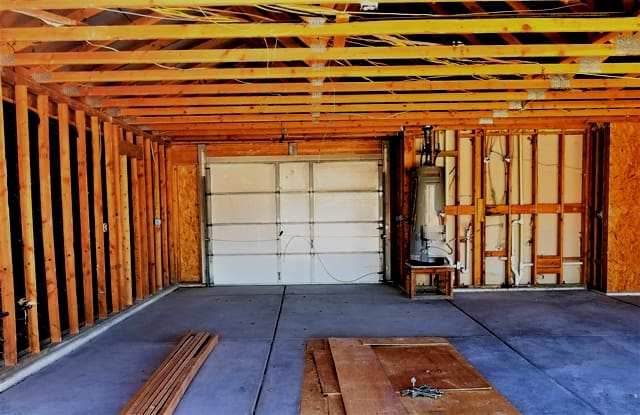
Buying a home often comes with the expectation that the neighborhood will remain relatively consistent, but nearby properties can change over time. One surprising development homeowners may encounter is a new neighbor constructing a very large garage, workshop, detached structure, or oversized accessory building. While the project may be perfectly legal, its size and location can affect neighboring properties in ways that are not immediately obvious. A giant garage could change views, privacy, sunlight, drainage patterns, noise levels, parking conditions, or the overall character of the street. Understanding your rights and knowing which rules apply can help you respond appropriately before a large construction project becomes a bigger concern.
Why a Giant Garage Can Affect Your Property
A large garage can have a noticeable effect on neighboring homes even when it is built entirely on the owner’s property. The structure may block a previously open view, reduce natural light, or create a more enclosed feeling in a backyard. Depending on its location, windows, doors, lighting, and intended use, the garage could also create new privacy or noise concerns. Large accessory structures can sometimes influence how buyers perceive a neighborhood, particularly if the building appears significantly different from surrounding homes. Although a neighbor’s construction does not automatically reduce your home’s value, its impact can depend heavily on design, placement, maintenance, and compatibility with the surrounding properties.
Zoning Rules May Limit Garage Size
Before assuming that a neighbor can build whatever they want, homeowners should understand that local zoning regulations often establish requirements for accessory structures. Rules may address the maximum height, square footage, setbacks from property lines, lot coverage, building placement, and permitted uses of garages and workshops. Some communities also have special requirements for detached garages, outbuildings, guest houses, or structures located near easements and environmentally sensitive areas. A project that exceeds local requirements may require a variance or other approval before construction can proceed. Checking with the local planning or zoning department can help determine whether the proposed structure complies with the applicable regulations.
Property Lines Matter More Than You Might Think
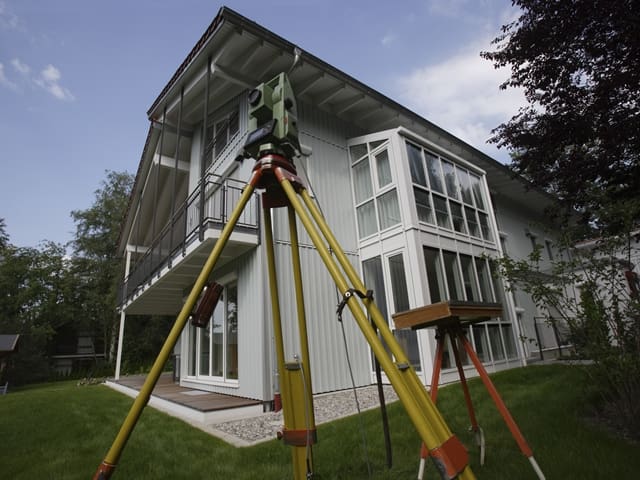
When a massive garage is being planned near your property, one of the first questions should be whether the construction respects the actual property boundaries. Property lines shown on online maps or casually identified by fences are not always precise enough for construction decisions. Setback requirements are generally measured from legally established boundaries, making an accurate survey particularly important when a structure will be close to a neighboring lot. If there is uncertainty about where one property ends and another begins, a professional land survey can provide more reliable information. Resolving boundary questions early can help prevent disagreements that become much more complicated after construction begins.
Setbacks Can Protect Neighboring Homeowners
Setback requirements are designed in part to create separation between structures and property boundaries. A zoning ordinance may require a garage to sit a certain distance from side, rear, or front property lines, although the exact requirements vary by location and property type. These regulations can help preserve access, reduce conflicts between structures, and maintain a reasonable relationship between neighboring properties. However, homeowners should not assume that every setback is identical because different zoning districts and lot configurations may have different standards. If a proposed garage appears unusually close to your property, reviewing the local setback requirements can be a useful first step.
Height Can Be Just as Important as Size
Homeowners often focus on how many square feet a giant garage will occupy, but height can be equally significant. A tall structure may obstruct views, cast additional shade, create a more imposing appearance, or affect the amount of privacy between properties. Local regulations may establish maximum building heights, but those limits can vary depending on zoning classifications and the type of structure being built. The roof design can also influence how large the garage appears from neighboring yards and homes. If the height seems unusual for the neighborhood, homeowners may want to verify the applicable regulations rather than relying solely on visual impressions.
Drainage and Stormwater Should Not Be Overlooked
A large new structure can change how rainwater moves across a property because the building and surrounding pavement create additional impervious surfaces. If drainage is poorly designed, stormwater could potentially flow toward neighboring yards, create erosion, or contribute to standing water. Construction projects may therefore be subject to drainage, grading, stormwater, or erosion-control requirements depending on the location and scope of the work. Homeowners who notice significant changes in runoff should document what they observe and contact the appropriate local authority for guidance. Addressing drainage concerns early is especially important because water problems can become expensive and difficult to correct after construction is complete.
Homeowners Associations May Have Additional Rules
If the neighborhood is governed by a homeowners association, the community’s covenants and architectural standards may impose additional restrictions on large garages and other exterior improvements. HOA documents may address building materials, architectural appearance, placement, height, size, and approval procedures. These private restrictions can exist alongside municipal zoning requirements, meaning a project may need to satisfy both sets of rules. Homeowners should review the governing documents rather than assuming that city or county approval is the only requirement. If there is an architectural review process, the HOA may also have procedures for homeowners who believe an approved project violates community standards.
Privacy and Quality of Life Can Change
One of the biggest concerns with a large garage is not always the structure itself but how it changes the experience of living next door. A garage with elevated windows, bright exterior lighting, large doors, security equipment, or frequent activity could affect privacy and nighttime comfort. Noise from power tools, vehicles, recreational equipment, or mechanical systems may also become more noticeable depending on how the building is used. Not every potential inconvenience constitutes a legal violation, but documenting recurring problems can help homeowners determine whether a legitimate code, nuisance, or HOA issue exists. A calm conversation with the neighbor can sometimes resolve practical concerns before they escalate into a formal dispute.
What If the Garage Becomes a Business?

A giant garage may look like a simple storage building, but its intended use can become important if the owner plans to operate a business from the property. A home-based business, vehicle repair operation, contractor storage facility, commercial workshop, or other intensive use may be subject to regulations beyond those governing the physical structure itself. Increased traffic, customer visits, deliveries, equipment, lighting, or noise could create concerns that would not exist with ordinary residential garage use. Homeowners should distinguish between legitimate concerns about property use and assumptions about what a neighbor intends to do. If commercial activity appears to violate local regulations, the appropriate zoning or code-enforcement department can explain what rules apply.
How to Respond Before Construction Begins
If you learn that a neighbor plans to build an unusually large garage, avoid assuming that the project is either illegal or guaranteed to damage your property value. Start by gathering factual information about the proposed location, dimensions, setbacks, and intended use. You can then review publicly available permit information and contact the appropriate local planning, zoning, or building department with specific questions. Keeping copies of permits, site plans, notices, photographs, and written communications can create a useful record if questions arise later. Taking a measured approach allows you to protect your interests without unnecessarily turning a construction project into a neighborhood conflict.
Could a Giant Garage Affect Future Buyers?
The effect of a giant garage on future buyers will depend largely on how the structure looks, how close it is to the home, and how it affects the property’s overall setting. Some buyers may view a large neighboring garage negatively because of concerns about privacy, aesthetics, noise, or neighborhood character. Other buyers may not consider it a problem at all, particularly if the structure is attractive, well-maintained, and consistent with the area’s housing styles. Real estate value is influenced by numerous factors, including location, lot characteristics, condition, comparable sales, and buyer demand. Rather than assuming that a large garage automatically hurts property value, homeowners should evaluate its actual impact within the context of the local market.
What Homeowners Should Remember
A neighbor’s giant garage can be surprising, but homeowners have several ways to understand and respond to the situation. Zoning regulations, building permits, setbacks, property boundaries, drainage requirements, HOA rules, and permitted property uses may all play a role in determining whether the project is acceptable. The most effective response is usually to gather facts, document legitimate concerns, and contact the appropriate authority rather than relying on assumptions or neighborhood rumors. Homeowners should also remember that construction does not automatically mean their property value will decline. By understanding local regulations and obtaining professional advice when necessary, you can protect your property interests while maintaining a productive relationship with your neighbors.
#RealEstate #Homeownership #PropertyValue #Neighborhood #Zoning #HomeImprovement #RealEstateTips #PropertyRights #Garage #Homeowners