
Multi-generational homes are becoming an increasingly popular choice for today’s home buyers as families look for more flexible and practical living arrangements. Instead of purchasing separate properties, parents, adult children, grandparents, and other family members are choosing to live under one roof while maintaining a greater degree of independence. Rising housing costs, changing family dynamics, and the desire to provide support for aging relatives are all contributing to this trend. At the same time, many buyers recognize that a home designed for multiple generations can provide long-term financial and lifestyle advantages. For real estate professionals, understanding the growing demand for multi-generational housing can provide valuable insight into what today’s buyers want when searching for a home.
Rising Housing Costs Are Influencing Buyer Decisions
One of the biggest reasons buyers are considering multi-generational homes is the rising cost of housing. Purchasing and maintaining two or more separate homes can place significant financial pressure on a family, particularly when mortgage payments, property taxes, insurance, utilities, and maintenance costs are combined. Sharing one property can allow multiple adults to contribute toward household expenses while potentially reducing the overall cost of living. This arrangement can be particularly appealing in markets where home prices have increased substantially and affordability remains a major concern. As buyers search for ways to stretch their housing budgets, multi-generational homes can offer an attractive alternative to maintaining multiple residences.
Families Want More Flexibility From Their Homes
Today’s buyers increasingly want homes that can adapt as their circumstances change. A property that works for a young couple today may eventually need to accommodate children, aging parents, adult children returning home, or extended family members. Multi-generational homes are often designed with flexible spaces that can serve different purposes over time, including private bedrooms, additional living rooms, finished basements, guest suites, and separate entrances. This flexibility can make a property more useful throughout multiple stages of a family’s life rather than meeting only one short-term need. Buyers are therefore looking beyond traditional floor plans and placing greater value on homes that provide adaptable living arrangements.
Aging Parents Are Affecting Housing Choices
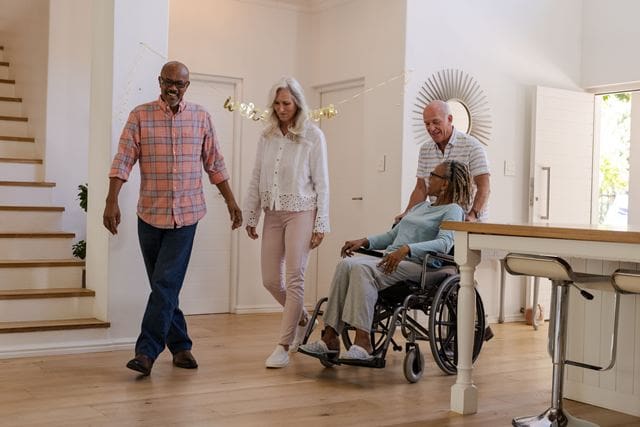
The needs of aging parents are another major factor driving interest in multi-generational homes. Many families prefer having older relatives nearby so they can provide assistance, companionship, transportation, and everyday support without requiring everyone to live in separate households. A multi-generational property can make this arrangement easier by providing private living quarters while keeping family members close enough to respond when needed. Features such as first-floor bedrooms, accessible bathrooms, wide doorways, minimal stairs, and separate entrances can become especially attractive to buyers planning for long-term family needs. As the population ages, homes that support multiple generations may become increasingly relevant to both buyers and sellers.
Adult Children Are Staying Home Longer
The traditional idea that young adults leave home permanently after college or when they begin working is changing. High rents, student debt, elevated home prices, and other financial pressures can make independent living difficult for some young adults. As a result, adult children may remain with their parents longer or return home after living independently. A multi-generational home can provide adult children with financial breathing room while allowing parents to maintain their own household routines and privacy. For buyers who anticipate children eventually returning home or staying longer than expected, additional bedrooms and separate living areas can become important features during the home search.
Privacy Is Still a Major Priority
Living with multiple generations does not necessarily mean sacrificing privacy. Modern multi-generational homes can include separate entrances, private bathrooms, kitchen areas, living rooms, bedrooms, and even garage spaces that allow different family members to maintain their own routines. Buyers often look for properties where family members can spend time together without feeling as though everyone is living in the same small space. Privacy can be particularly important when adult children, grandparents, and parents have different schedules and lifestyles. Real estate agents should pay close attention to how a property’s layout balances shared spaces with private areas when marketing homes to multi-generational buyers.
Multi-Generational Homes Can Provide Financial Advantages

Beyond sharing housing expenses, a multi-generational property can potentially create other financial opportunities for homeowners. Depending on local laws, zoning regulations, and the property’s design, a separate suite or living area might provide an opportunity for rental income or help offset household costs. Some families may also find that combining financial resources makes it easier to qualify for a larger home or afford a property in a preferred neighborhood. However, buyers should carefully evaluate mortgage requirements, insurance considerations, taxes, zoning restrictions, and other financial factors before making a decision. A real estate professional and qualified financial or legal advisers can help buyers understand the financial implications of different multi-generational housing arrangements.
What Features Are Multi-Generational Buyers Looking For?
Buyers interested in multi-generational homes often prioritize specific features that make shared living more comfortable and functional. Separate entrances, multiple primary suites, private bathrooms, finished basements, accessory dwelling units, spacious kitchens, and additional parking can all increase a property’s appeal. Buyers may also look for homes with open common areas where family members can gather while still having enough private space to retreat when necessary. Accessibility features can be equally important, particularly when grandparents or family members with mobility limitations will be living in the home. Real estate agents who understand these priorities can emphasize the features that make a property especially suitable for multiple generations.
Location Matters for Multi-Generational Buyers
Location remains just as important as the home itself when families are purchasing multi-generational properties. Buyers may want convenient access to schools, healthcare facilities, shopping centers, employment areas, parks, public transportation, and other everyday amenities. Proximity to family members can also be a major consideration when relatives are moving into one household from different neighborhoods or communities. A well-located property can make it easier for different generations to maintain their routines while benefiting from living together. When marketing multi-generational homes, agents should highlight not only the floor plan but also the lifestyle advantages created by the surrounding neighborhood.
Why Hiring a Real Estate Agent Can Make a Difference
Buying a multi-generational home can involve more considerations than purchasing a traditional single-family property, which makes working with an experienced real estate agent especially valuable. A knowledgeable agent can help buyers identify properties with suitable floor plans, separate living spaces, accessibility features, and potential for future flexibility. An agent can also help clients evaluate neighborhood amenities, comparable sales, resale considerations, and potential property limitations that may not be obvious during a casual showing. When multiple generations are involved in the decision, an agent can help organize priorities and keep the home search focused on features that work for the entire household. The right real estate professional can ultimately make the buying process more efficient while helping families find a property that supports both their current needs and their future plans.
Conclusion: Multi-Generational Housing Is Shaping the Future of Home Buying
The growing demand for multi-generational homes reflects broader changes in how families think about housing, finances, caregiving, and long-term planning. Buyers are looking for properties that provide flexibility, privacy, affordability, and the ability to accommodate several generations under one roof. Features such as separate living spaces, additional bedrooms, private entrances, accessible designs, and adaptable floor plans are becoming increasingly valuable to these households. For sellers, understanding this audience can reveal new opportunities to market a property and emphasize features that might otherwise be overlooked. For real estate agents, recognizing the multi-generational housing trend can lead to stronger marketing strategies, better buyer guidance, and a deeper understanding of the evolving real estate market.
#MultiGenerationalHomes #RealEstate #HomeBuying #RealEstateTrends #HomeBuyers #FamilyHomes #MultigenerationalLiving #HousingMarket #RealEstateAgents #HomeSearch #FamilyHousing #PropertyMarket