

A future-proof home is designed to remain comfortable, efficient, functional, and desirable as homeowners’ needs and technology continue to change. Rather than focusing only on current trends, future-proof home design considers how a property may perform and appeal to buyers years from now. Features such as energy efficiency, adaptable living spaces, smart home technology, durable construction, and low-maintenance materials can help protect a home’s long-term value. Homeowners are increasingly looking for properties that can accommodate changing lifestyles while controlling operating and maintenance costs. For real estate professionals, understanding these characteristics can make it easier to explain a property’s long-term benefits to prospective buyers.
Durable Materials Reduce Maintenance Demands
Durability is another essential component of future-proof home design because attractive features lose their appeal when they require frequent repairs or replacement. Quality roofing, durable siding, resilient flooring, well-installed windows, and high-quality plumbing and electrical systems can help reduce maintenance demands over the life of a property. Homeowners should consider lifecycle costs rather than choosing materials solely because they have the lowest initial purchase price. Durable materials can also help preserve a home’s appearance and functionality, which may support stronger buyer interest when the property eventually comes onto the market. For sellers and real estate agents, documenting major improvements and maintenance can provide prospective buyers with greater confidence in the home’s long-term condition.
Energy Efficiency Supports Long-Term Home Value
Energy efficiency is one of the most important characteristics of a future-proof home because utility costs and environmental considerations continue to influence purchasing decisions. High-performance insulation, energy-efficient windows, modern HVAC systems, efficient appliances, and LED lighting can help reduce energy consumption and improve indoor comfort. Solar panels, battery storage, smart thermostats, and energy-monitoring systems can provide additional opportunities for homeowners to manage energy use. Although specific upgrades may have different returns depending on the local market, buyers often appreciate homes that offer lower operating costs and improved efficiency. Real estate agents can highlight these features when marketing properties because energy efficiency can contribute to both everyday affordability and long-term market appeal.
Smart Home Technology Adds Convenience and Flexibility
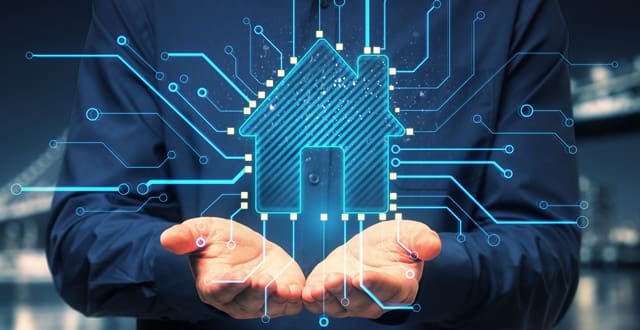
Smart home technology can help make a property more future-proof by allowing homeowners to monitor, automate, and control various systems throughout the house. Smart thermostats, lighting controls, security systems, door locks, leak detectors, and connected appliances can improve convenience while potentially helping homeowners manage energy use and maintenance. The most valuable technology is generally practical, easy to operate, and compatible with commonly used platforms rather than dependent on complicated or proprietary systems. Buyers may also appreciate infrastructure that makes it easier to add new technology as innovations develop. When evaluating smart home features, homeowners should consider reliability, cybersecurity, compatibility, and whether the technology provides meaningful benefits rather than simply following a temporary trend.
Climate Resilience Can Protect a Property
Future-proofing also means preparing a home to withstand changing weather patterns and localized environmental risks. Depending on the property and region, useful improvements may include improved drainage, water-resistant materials, elevated mechanical systems, impact-resistant windows, backup power, stronger insulation, and appropriately designed landscaping. Homeowners should evaluate improvements based on the property’s specific exposure to hazards such as flooding, severe storms, extreme temperatures, or wildfires rather than assuming every resilience feature is necessary. Proper maintenance and preventative improvements can help reduce the likelihood of expensive damage while improving the property’s overall functionality. Buyers may increasingly consider resilience when comparing homes, making these improvements an important part of a broader long-term property strategy.
Location Remains a Critical Part of Future-Proofing
Even the most technologically advanced home cannot completely overcome the importance of location when it comes to long-term property value. Access to employment centers, transportation, shopping, healthcare, recreation, and other community amenities can influence a home’s desirability for years to come. Buyers should also consider how neighborhood infrastructure, development patterns, zoning changes, and community investment could affect the property’s future appeal. A well-designed home in a desirable and resilient location may have stronger long-term prospects than a heavily upgraded property in an area facing significant challenges. Real estate agents can provide valuable local market context that helps buyers evaluate the property and its surrounding neighborhood as one long-term investment.
Water Efficiency Is an Increasingly Valuable Feature
Water-efficient homes can provide another layer of long-term affordability and sustainability for homeowners. Low-flow plumbing fixtures, efficient irrigation systems, leak detection technology, rainwater management, and drought-tolerant landscaping can help reduce unnecessary water consumption. Preventing leaks is especially important because even small plumbing problems can result in property damage and expensive repairs if they go unnoticed. Smart water monitoring systems can provide homeowners with alerts that make it easier to identify unusual consumption and potential leaks before they become major problems. These improvements may not always be the first features buyers notice, but they can contribute to lower operating expenses and a more resilient home.
Flexible Floor Plans Accommodate Changing Lifestyles
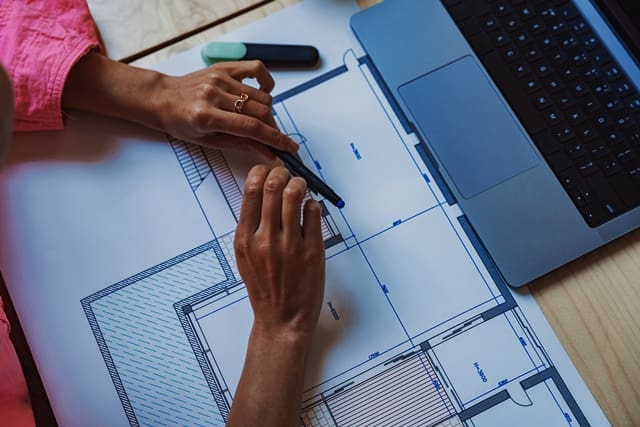
A future-proof home should be capable of adapting as the people living in it change their needs over time. Flexible floor plans can accommodate a home office, guest room, exercise area, hobby space, playroom, or multigenerational living arrangement without requiring extensive remodeling. Rooms with multiple potential uses can appeal to a broader pool of buyers because they allow homeowners to customize the property according to their circumstances. Features such as main-level bedrooms, wider doorways, accessible bathrooms, and minimal-step entrances can also improve usability as residents age or mobility needs change. Real estate agents can emphasize this flexibility when presenting a home because adaptable spaces may provide value to buyers who are planning for both their current lifestyle and their future needs.
Hiring a Real Estate Agent Can Help Identify Future-Proof Features
Hiring a knowledgeable real estate agent can help buyers and sellers better understand which future-proof features are likely to matter in their local housing market. An experienced agent can identify improvements that may appeal to current buyers while distinguishing lasting value from short-lived design trends. Agents can also provide insight into comparable properties, neighborhood expectations, pricing strategies, and the features that help a home stand out in marketing. For sellers, an agent can translate energy upgrades, flexible spaces, smart technology, and major improvements into compelling listing language that communicates practical benefits. For buyers, professional guidance can make it easier to evaluate whether a property’s future-proof features justify its asking price and fit their long-term plans.
Future-Proofing Should Balance Trends With Lasting Value
Not every popular home upgrade deserves to be considered a future-proof investment. Design trends can change quickly, while functional improvements such as energy efficiency, durable construction, adaptable spaces, and reliable infrastructure tend to have broader and longer-lasting appeal. Homeowners should prioritize improvements that solve practical problems, reduce operating costs, increase comfort, or make the property easier to use. They should also avoid over-customizing spaces in ways that could limit the home’s appeal to future buyers. The goal of future-proofing is not to predict every trend but to create a property that can remain useful, efficient, attractive, and adaptable as circumstances change.
Conclusion: Building a Home Ready for the Future
A future-proof home combines thoughtful design, efficient systems, durable materials, adaptable spaces, modern technology, and a strong location to create lasting functionality and appeal. Homeowners who invest strategically can improve everyday comfort while potentially strengthening the property’s competitiveness when it is time to sell. Buyers should look beyond cosmetic finishes and consider how a home’s systems, layout, resilience, and operating costs may perform over the coming years. Real estate agents can help clients identify which features represent meaningful long-term value and which upgrades may simply reflect temporary trends. By focusing on flexibility, efficiency, durability, resilience, and location, homeowners can create properties that are better prepared for the future and more attractive to tomorrow’s buyers.
#FutureProofHome #RealEstateTips #HomeValue #SmartHome #EnergyEfficientHome #HomeBuyingTips #HomeSellingTips #RealEstateInvestment #HomeDesign #SustainableHome
