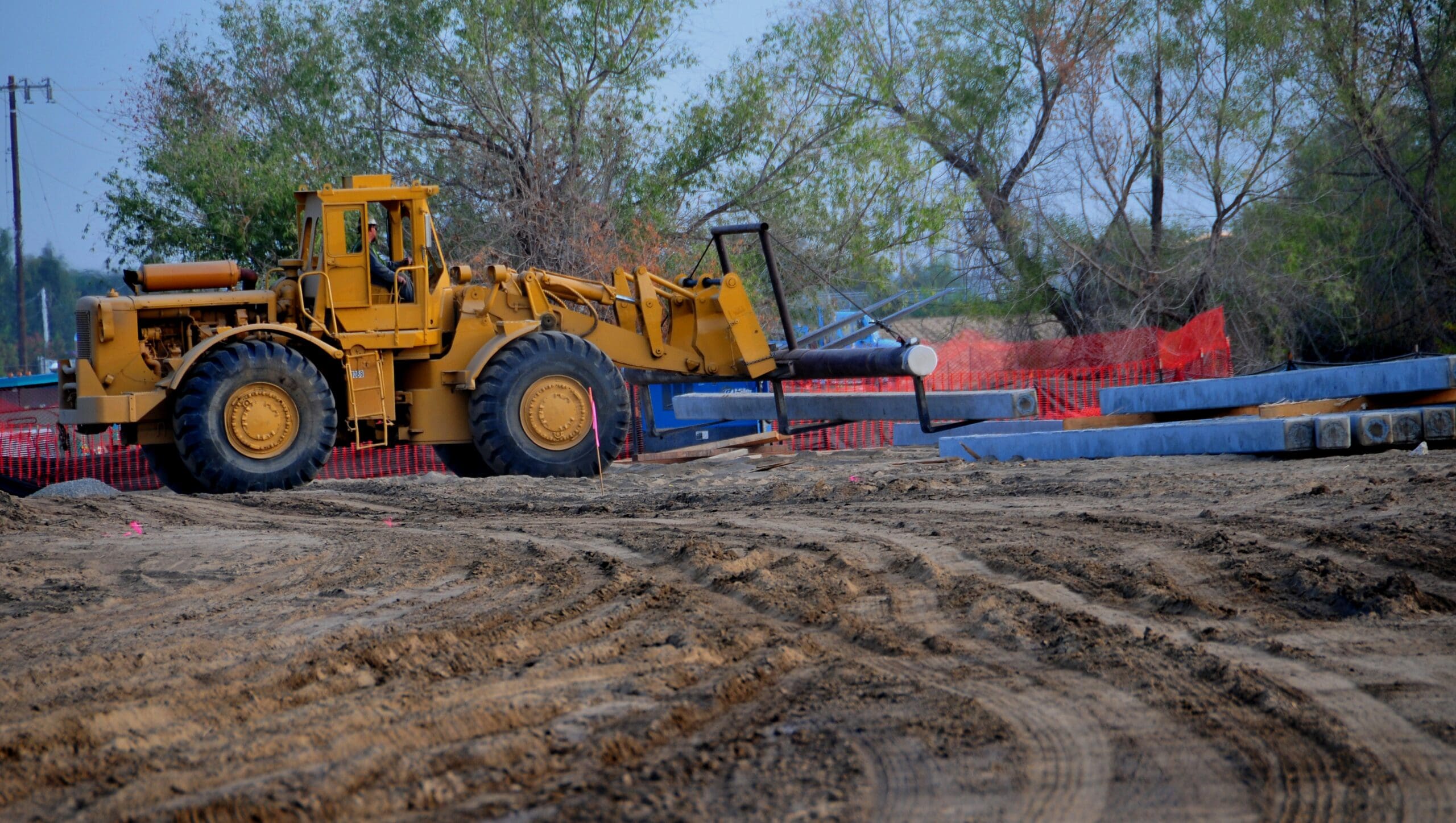
Selling a home near a major construction project requires a thoughtful strategy because buyers may have concerns about noise, traffic, dust, changing views, and future neighborhood conditions. Whether the project involves a new highway, commercial development, transit expansion, large apartment complex, or infrastructure improvements, construction can influence buyer perception and property value. However, construction does not automatically make a property difficult to sell, and some projects can ultimately improve accessibility, amenities, employment opportunities, or neighborhood appeal. Home sellers should understand what is being built, how long construction is expected to last, and what the finished project could mean for the surrounding area. By gathering accurate information and developing a well-planned home selling strategy, homeowners can address concerns while highlighting the property’s strongest advantages.
Research the Construction Project Before Listing
Before putting a home on the market, sellers should research the major construction project affecting the property and surrounding neighborhood. Find out the project’s purpose, expected completion date, construction schedule, traffic changes, road closures, and potential long-term effects on nearby properties. Public planning documents, municipal websites, transportation agencies, and project developers can provide useful information about the scope and anticipated timeline. Understanding these details allows sellers to answer buyer questions honestly instead of relying on assumptions or incomplete information. A knowledgeable seller can also use verified information to explain which concerns are temporary and which changes are expected to remain after construction is complete.
Evaluate the Impact on Your Home
Not every construction project affects neighboring homes in the same way, so sellers should evaluate the property’s specific circumstances. A home directly adjacent to a busy construction site may face different buyer concerns than a property several blocks away from the activity. Consider factors such as increased traffic, construction noise, heavy equipment, dust, restricted access, changes to views, parking challenges, and potential changes in privacy. At the same time, determine whether the project could eventually create benefits such as improved roads, new retail, public transportation, parks, employment centers, or upgraded infrastructure. A balanced assessment helps sellers establish realistic expectations and prepare a marketing strategy that acknowledges the construction without allowing it to overshadow the home’s positive features.
Price the Property Strategically
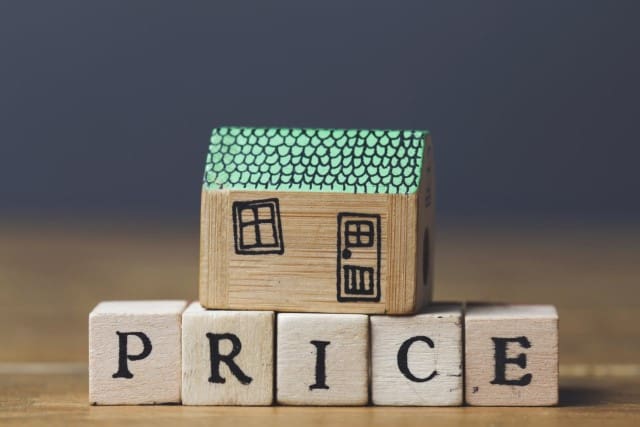
Pricing becomes especially important when selling a home near major construction because buyers may compare the property with similar homes that are not affected by nearby development. Overpricing can cause the listing to sit on the market longer, while pricing too aggressively below market value could unnecessarily reduce the seller’s potential proceeds. A comparative market analysis can help determine how comparable properties are performing and whether nearby construction appears to be influencing buyer demand. Sellers should consider current market conditions, the property’s condition, the severity of the construction impact, and the potential long-term benefits of the project when establishing an asking price. Strategic pricing can position the property competitively while giving buyers a compelling reason to consider it despite temporary construction inconveniences.
Be Transparent About Construction Conditions
Transparency is one of the most important principles when selling a property near major construction. Sellers should avoid minimizing significant issues or making unsupported claims about when construction will end, because buyers are likely to conduct their own research and inspections. Providing accurate information about known construction activity can establish trust and reduce the risk of misunderstandings later in the transaction. Your real estate professional can also help you understand which property disclosures may be required and how to communicate relevant information appropriately. Honest communication does not mean emphasizing every negative detail; instead, it means presenting the facts clearly while putting the construction issue into the broader context of the property’s value.
Highlight the Home’s Strongest Features
A successful listing should make the property about more than the construction project next door. Professional photography, thoughtful staging, compelling listing copy, and accurate property descriptions can draw attention to features buyers value, such as updated kitchens, spacious floor plans, outdoor living areas, energy-efficient improvements, garages, attractive lots, or desirable neighborhood amenities. If construction is visible from the property, photographs should still present the home accurately while emphasizing its best spaces and features. Sellers should also highlight conveniences that remain available despite nearby construction, such as shopping, schools, parks, commuting routes, and community amenities. The goal is to create a complete picture of the property so prospective buyers can evaluate the temporary inconvenience against the home’s overall benefits.
Use Marketing to Reach the Right Buyers
Targeted real estate marketing can be particularly valuable when selling a home near major construction. Instead of attempting to attract every possible buyer, sellers and their agents can focus marketing efforts on people who may appreciate the property’s location, price point, amenities, or future potential. Digital advertising, search-optimized listing descriptions, social media marketing, email campaigns, professional photography, video tours, and virtual tours can expand exposure beyond traditional listing platforms. Marketing materials should avoid hiding construction while strategically emphasizing the home’s advantages and the potential benefits of the surrounding development. Reaching buyers who understand the local market can increase the likelihood of attracting prospects who are comfortable evaluating a property based on both its current condition and future potential.
Explain Potential Long-Term Benefits
Major construction projects are not always negative for nearby homeowners, and sellers should understand whether the completed development could increase the area’s appeal. New transportation infrastructure may improve commuting options, while commercial projects can introduce restaurants, shopping, entertainment, and services closer to residential neighborhoods. Large redevelopment projects may also contribute to infrastructure improvements, new public spaces, or increased investment in an area. Sellers should distinguish between confirmed project benefits and speculation, using reliable information rather than promising future appreciation. When supported by credible facts, explaining the potential long-term advantages can help buyers view construction as part of a broader neighborhood transformation rather than simply as a temporary inconvenience.
Make Showings Easy and Comfortable

Construction can make property showings more challenging, particularly when nearby roads are congested or construction activity is loud during certain hours. Sellers should work with their real estate agent to schedule showings during periods when construction activity is less disruptive whenever possible. Keeping the home clean, bright, organized, and comfortable can help buyers focus on the property’s interior rather than outside distractions. Small improvements such as decluttering, fresh landscaping, updated lighting, and neutral staging can make a meaningful difference in how buyers experience the property. Creating the best possible showing environment allows prospective buyers to see the home’s strengths even when the surrounding neighborhood is undergoing temporary changes.
Work With an Experienced Real Estate Agent
Hiring an experienced real estate agent can be especially beneficial when selling a home near a major construction project because the agent can help evaluate market conditions, comparable sales, buyer concerns, pricing, marketing, and negotiations. A knowledgeable local agent may understand how similar construction projects have affected nearby properties and can help position the home appropriately in the current market. The agent can also help develop listing language that is informative and compelling without unnecessarily drawing attention away from the property’s strengths. During negotiations, an experienced professional can help sellers evaluate offers based on price, contingencies, financing, timing, and other terms rather than focusing exclusively on the buyer’s concerns about construction. Having professional guidance throughout the process can make selling a home near major development more organized, strategic, and manageable.
Prepare for Buyer Negotiations
Buyers who are concerned about construction may request a lower price, seller concessions, repairs, or other favorable terms. Sellers should anticipate these negotiations before listing the property and determine which terms are most important to them. Understanding the property’s market position can help sellers distinguish between reasonable buyer concerns and attempts to negotiate based on exaggerated perceptions of the construction impact. A strong listing strategy, accurate pricing, and effective communication can give sellers more leverage when multiple buyers show interest. Ultimately, the best offer is not always the one with the highest purchase price, so sellers should evaluate the complete package of financial and contractual terms.
Consider the Timing of Your Sale
Timing can influence the experience of selling a home near major construction. If construction is expected to reach its most disruptive phase soon, sellers may need to weigh whether listing immediately makes more sense than waiting for conditions to improve. On the other hand, delaying a sale solely because of construction could mean missing favorable market conditions or waiting through a project that takes longer than expected. Review the construction timeline alongside local inventory, buyer demand, seasonal trends, mortgage conditions, and comparable sales. A real estate professional can help you compare the potential advantages and disadvantages of different listing timelines so you can make a decision based on your financial and personal goals.
Turn Construction Challenges Into Selling Opportunities
Selling a home near major construction projects does not have to be a disadvantage if the property is priced correctly, marketed effectively, and presented with accurate information. Construction may create temporary challenges, but it can also signal investment, infrastructure improvements, new amenities, or future neighborhood growth. The key is to understand the project, communicate honestly, emphasize the home’s strongest features, and anticipate buyer objections before they become obstacles. Sellers who approach the situation strategically can create a more compelling value proposition and avoid allowing construction concerns to dominate the entire sales process. With careful preparation and professional guidance, homeowners can confidently navigate the market and pursue the best possible outcome for their property.
Conclusion
Selling a home near major construction projects requires more preparation than a typical home sale, but it is entirely possible to attract qualified buyers and achieve a successful transaction. Researching the project, understanding its impact, pricing strategically, and maintaining transparency can help establish buyer confidence. Strong photography, targeted marketing, comfortable showings, and clear communication can further shift attention toward the home’s value and potential. Working with an experienced real estate agent provides another important advantage by bringing local market knowledge and negotiation expertise to the process. With the right strategy, sellers can address construction concerns directly while positioning their property as an attractive opportunity in a changing neighborhood.
#RealEstate #SellingAHome #HomeSellingTips #RealEstateMarketing #ConstructionProjects #HomeValue #RealEstateAgent #PropertyValue #HomeSeller #RealEstateTips
Expert Assistance:
To reach out to Richard for expert assistance in the Decatur & Atlanta markets, reach out here.
You can also ask Richard for a copy of his contribution to the best-selling book Top Dollar – by completing the form linked here.