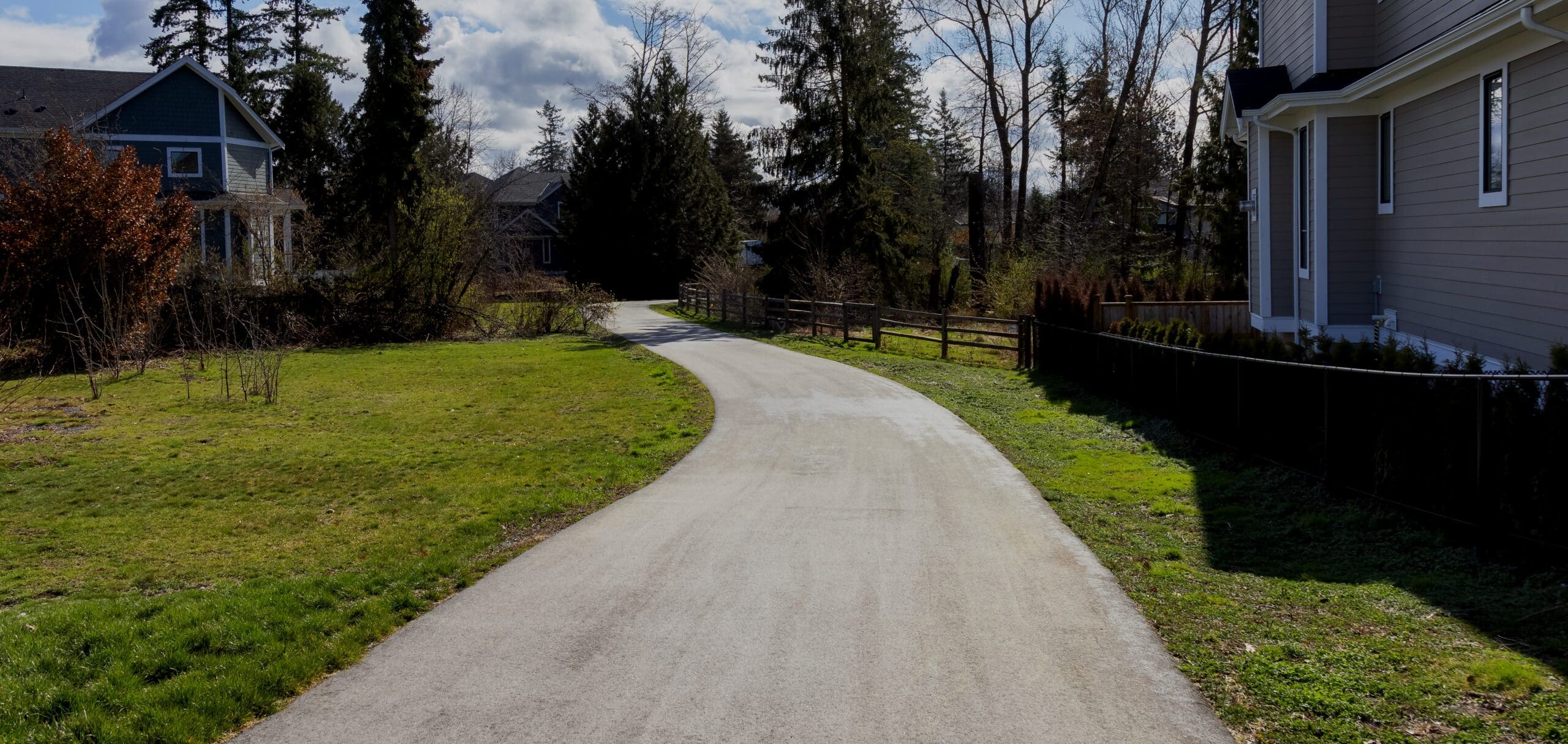
Buying a home with a shared driveway can be a practical choice, but it also creates responsibilities that buyers should understand before closing. A shared driveway is typically used by two or more property owners to access their homes or other portions of their properties. Unlike a private driveway serving only one property, a shared driveway can involve agreements concerning maintenance, repairs, access, and expenses. The specific rights and obligations can vary significantly depending on local laws, property records, and written agreements. Understanding these details before purchasing can help buyers avoid unexpected disputes and costs after moving into the home.
Check Who Owns the Driveway
One of the first things buyers should determine is who legally owns the shared driveway. In some situations, the driveway may be located entirely on one property while neighboring owners have legal rights to use it. In other situations, the driveway may cross multiple parcels, with each property owner owning a portion of the access route. Property deeds, surveys, title documents, and recorded agreements can help clarify ownership and usage rights. Buyers should make sure they understand exactly which portion of the driveway is associated with the property they are considering.
Review Any Easements
An easement can give someone the legal right to use a portion of another person’s property for a specific purpose, such as accessing a home. Shared driveways frequently involve access easements, making it important for buyers to review any easements associated with the property. The language of an easement may establish who can use the driveway, what activities are permitted, and how maintenance responsibilities are handled. Buyers should carefully review recorded easement documents with their real estate and legal professionals before purchasing the property. Understanding an easement in advance can prevent confusion about access rights and property boundaries later.
Determine Who Pays for Maintenance
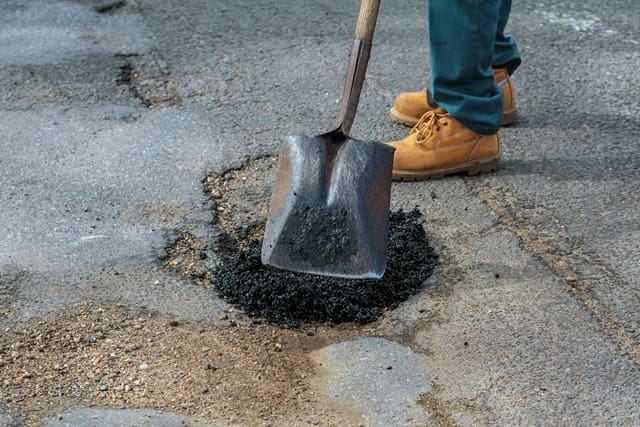
Driveway maintenance can become one of the biggest concerns when multiple property owners share access. Buyers should find out whether there is a written agreement explaining how costs for resurfacing, pothole repairs, drainage work, snow removal, or other maintenance are divided. Some agreements split expenses equally, while others allocate costs according to usage, ownership percentages, or another formula. Buyers should also ask whether any major repairs have been completed recently or are expected in the near future. Knowing the potential financial responsibilities can help buyers estimate the true cost of owning the property.
Ask About Previous Driveway Disputes
A history of disagreements can provide important information about how a shared driveway arrangement works in practice. Buyers should ask whether previous owners have experienced conflicts involving parking, access, maintenance, landscaping, deliveries, or property improvements. A driveway may appear straightforward during a showing while having a complicated history between neighboring property owners. Reviewing available agreements and discussing known issues with the appropriate professionals can provide additional context. Buyers should pay particular attention to unresolved disputes or informal arrangements that are not clearly documented.
Look Closely at the Driveway Condition
The physical condition of a shared driveway deserves careful attention during the home-buying process. Buyers should look for cracks, potholes, erosion, drainage problems, standing water, damaged pavement, and areas where the driveway may be deteriorating. They should also consider whether the driveway is wide enough for emergency vehicles, moving trucks, construction equipment, and routine deliveries when appropriate. If significant repairs appear necessary, buyers should determine who would be responsible for paying for them. A professional inspection or evaluation may be worthwhile when the driveway condition raises concerns.
Understand Snow, Ice, and Weather Responsibilities
Weather-related maintenance can become an important issue for properties with shared driveways, particularly in areas that experience significant winter weather. Buyers should determine who is responsible for clearing snow, treating ice, removing storm debris, or addressing damage caused by severe weather. Even in warmer regions, heavy rain, flooding, erosion, and drainage problems can affect shared access roads. A written agreement may provide specific instructions for handling these responsibilities. Buyers should understand how weather-related maintenance is handled rather than assuming neighbors will automatically divide the work.
Review Restrictions on Property Improvements
A shared driveway can sometimes affect plans for future property improvements. Homeowners may need to consider driveway access when planning fences, gates, landscaping, garages, additions, detached structures, or other projects. Easements and local regulations may limit where improvements can be placed or how access must be maintained. Buyers should investigate whether their intended plans could conflict with existing access rights before purchasing. This is particularly important for buyers who already have plans for significant renovations or outdoor improvements..
Consider Access During Everyday Life

Shared driveways can affect more than simply getting a vehicle from the street to the garage. Buyers should consider how frequently the driveway is used by neighboring households, guests, delivery drivers, contractors, and service providers. They should also determine whether there are restrictions involving parking, turning around, guest vehicles, trailers, or recreational equipment. A narrow shared driveway may become especially challenging if multiple households need to use it at the same time. Thinking about everyday access before purchasing can help buyers determine whether the arrangement fits their lifestyle.
Pay Attention to Insurance and Liability
Insurance and liability considerations can be more complicated when multiple property owners use the same driveway. Buyers should ask appropriate professionals whether existing agreements address responsibility for accidents, property damage, or maintenance-related issues. Homeowners insurance policies may also contain provisions relevant to access routes and liability, depending on the circumstances. Buyers should not assume that another property owner’s insurance will cover an incident involving the shared driveway. Discussing these questions with an insurance professional can help clarify potential coverage concerns.
Ask Questions During the Due Diligence Period
The due diligence period can provide an important opportunity to investigate a shared driveway before committing to the purchase. Buyers can review title information, surveys, easements, maintenance agreements, property disclosures, and other relevant documents during this stage. They can also raise questions about costs, access, repairs, and disputes with the appropriate professionals. If something in the documentation is unclear, buyers should seek clarification before deadlines expire. Addressing concerns early is generally easier than discovering a significant access problem after closing.
Shared Driveways Do Not Have to Be a Deal Breaker
A shared driveway is not automatically a problem for a home buyer, especially when ownership, access, maintenance, and financial responsibilities are clearly documented. Many homeowners successfully use shared driveways for years without significant disagreements. The key is understanding the arrangement before purchasing rather than relying on verbal explanations or assumptions. Buyers should evaluate both the legal documents and the physical condition of the driveway as part of their due diligence. A well-understood shared driveway arrangement can make ownership much more predictable.
Conclusion: Know the Shared Driveway Before You Buy
A shared driveway can influence property access, maintenance expenses, privacy, future improvements, and relationships with neighboring property owners. Buyers should investigate ownership, easements, maintenance agreements, repair responsibilities, access rules, and potential disputes before closing on a home. They should also examine the physical condition of the driveway and consider how it fits their daily needs. Working with a real estate agent and consulting appropriate legal, title, insurance, and inspection professionals can help buyers investigate the arrangement thoroughly. By understanding the shared driveway before purchasing, buyers can make a more informed decision about whether the property is right for them.
#SharedDriveway #HomeBuyingTips #RealEstateTips #HomeBuyer #PropertyEasement #RealEstateAdvice #BuyingAHome #HomeOwnership #PropertyAccess #DueDiligence