Smart home technology has become an increasingly important consideration for home buyers, property investors, and real estate professionals. Modern buyers are often looking for homes that provide convenience, security, energy efficiency, and seamless connectivity. At the same time, investors recognize that desirable smart home features can make properties more attractive to renters and future buyers. From smart thermostats to advanced security systems, technology can help a property stand out in a competitive real estate market. Understanding which smart home upgrades deliver the most practical benefits can help buyers and investors make informed decisions while identifying features that may contribute to long-term property appeal.
Smart Lighting Creates Convenience and Energy Savings
Smart lighting systems can transform the way homeowners interact with their properties. Buyers may appreciate features such as automated schedules, motion activation, remote controls, and voice commands that make everyday tasks easier. Smart lighting can also help homeowners manage energy consumption by allowing lights to be turned off automatically when rooms are unoccupied. Investors can use attractive lighting technology as part of a broader strategy to modernize rental homes and differentiate them from competing properties. Because smart bulbs, switches, and dimmers can often be installed without extensive remodeling, lighting is one of the more accessible ways to introduce smart home technology.
Smart Locks Are Popular With Buyers and Rental Property Investors
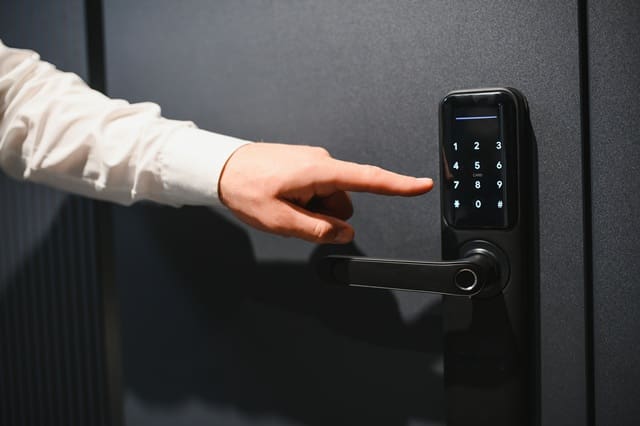
Smart locks provide another feature that can appeal to both homeowners and investors. Depending on the system, residents can use smartphone apps, keypads, temporary codes, or other approved methods instead of traditional keys. This technology can make everyday access more convenient while allowing homeowners to manage entry remotely. For investors and property managers, smart locks may simplify approved access for maintenance professionals, contractors, or tenants while reducing the need to distribute physical keys. Buyers should still evaluate the security, reliability, privacy practices, and backup access options of any smart lock before considering it a major advantage.
Smart Appliances Add Modern Functionality
Smart appliances can provide a combination of convenience, automation, and connectivity that appeals to technology-focused buyers. Refrigerators, ovens, washers, dryers, dishwashers, and other appliances may offer features such as remote monitoring, alerts, customized settings, and maintenance notifications. These features can make a kitchen or laundry area feel more modern and technologically advanced. Investors may find smart appliances useful when marketing higher-end rental properties where modern amenities can help attract tenants. However, buyers should consider the age and condition of the appliances, replacement costs, subscription requirements, and compatibility with other systems before assigning significant value to smart appliances.
Smart Water Technology Can Help Protect a Property
Smart water monitoring systems are gaining attention because they address an issue that can cause significant property damage. Leak detectors and connected water sensors can notify homeowners when unusual moisture or water activity is detected. Some advanced systems can monitor water consumption and, depending on the equipment, automatically shut off the water supply when a serious leak is identified. This can be particularly attractive to investors who want to reduce the risk of expensive water-related damage in rental properties. For homeowners and buyers, smart water technology can provide another layer of property protection while supporting more informed household water management.
Smart Home Hubs Make Technology Easier to Manage
A collection of smart devices becomes more useful when those devices can communicate through a compatible ecosystem or centralized control system. Smart home hubs and compatible platforms can allow homeowners to manage lighting, thermostats, security devices, locks, entertainment systems, and other connected features from a single interface. Buyers may find a cohesive smart home setup more appealing than a property filled with unrelated devices that require multiple applications. Investors should consider compatibility and long-term support when evaluating technology installed in an investment property. A well-integrated system can make smart features feel like a natural part of the home rather than a collection of disconnected gadgets.
Smart Security Systems Add Convenience and Peace of Mind
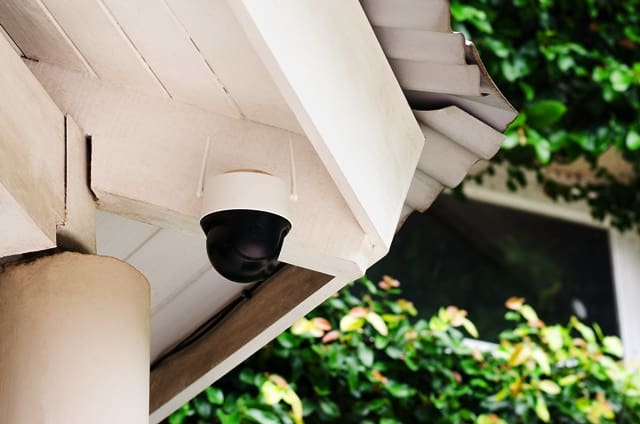
Home security technology is another major attraction for today’s buyers and investors. Smart cameras, video doorbells, motion sensors, smart locks, and connected alarm systems can provide homeowners with greater visibility into what is happening around their properties. Many systems allow users to receive alerts, view cameras, lock doors, and monitor activity remotely. For investors, security features can be particularly useful in rental properties because they may enhance the property’s overall appeal and provide convenient monitoring capabilities when permitted and appropriately configured. A well-integrated smart security system can therefore serve as both a lifestyle feature and a practical technology upgrade.
Smart Home Features Can Increase Property Appeal
Smart technology does not automatically guarantee a higher property value, but desirable features can improve how buyers perceive a home. Properties with useful technology may stand out in online listings, open houses, and buyer comparisons when the features are presented clearly. Energy efficiency, security, convenience, and property protection are particularly valuable themes because they address practical homeowner concerns rather than simply offering novelty. Investors can also evaluate smart home technology as part of a larger property improvement strategy designed to attract quality tenants and remain competitive in the rental market. The key is choosing features that provide meaningful benefits instead of installing expensive technology solely for marketing purposes.
Hiring a Real Estate Agent Can Help Buyers and Investors Evaluate Smart Features
Working with a knowledgeable real estate agent can make it easier for buyers and investors to determine which smart home features actually matter in a particular market. An experienced agent can help clients compare properties, identify desirable amenities, understand local buyer expectations, and evaluate how technology fits into the overall appeal of a home. Real estate agents can also help sellers highlight smart features effectively in listing descriptions, marketing materials, photographs, and showings. For investors, an agent familiar with the local rental and resale market can provide valuable perspective on whether certain upgrades are likely to attract buyers or tenants. Professional guidance can help clients focus their money and attention on improvements that support their broader real estate goals.
Smart Thermostats Improve Comfort and Energy Efficiency
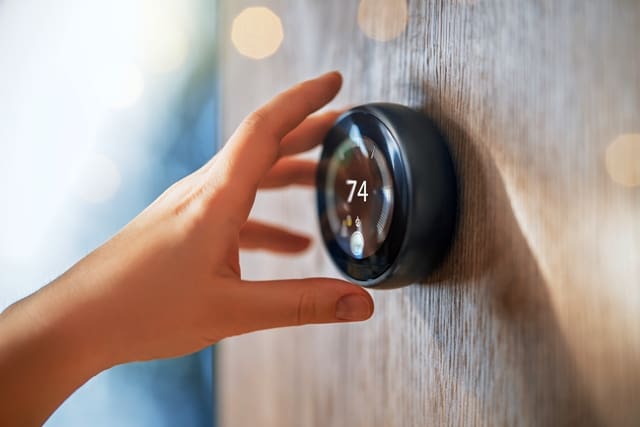
Smart thermostats are among the most appealing smart home features because they combine convenience with potential energy savings. These devices can learn household schedules, adjust temperatures automatically, and allow homeowners to control heating and cooling remotely through a smartphone. Buyers may appreciate the ability to manage indoor comfort without constantly adjusting a traditional thermostat. Investors can also benefit because energy-efficient features may make rental properties more appealing to tenants who want greater control over utility usage. When evaluating a home, a smart thermostat can be a relatively simple feature that adds modern functionality without requiring a major renovation.
Energy-Efficient Technology Is Especially Attractive to Investors
Energy efficiency can be an important factor when investors evaluate smart home upgrades. Connected thermostats, smart lighting, energy monitors, and efficient appliances can potentially help occupants manage energy consumption while adding modern amenities to a property. Investors should evaluate the actual costs and expected benefits of each upgrade rather than assuming that every smart device will produce a meaningful financial return. Documentation, installation quality, warranties, and operating costs can also affect the long-term usefulness of technology. When smart features support both tenant convenience and responsible property management, they may become a more compelling component of an investment strategy.
Privacy and Compatibility Should Be Part of the Buying Decision
Smart home technology offers convenience, but buyers should not overlook privacy, cybersecurity, compatibility, and maintenance considerations. Connected devices may collect information about household activity, usage patterns, or property access, making it important to understand how data is handled. Buyers should also determine whether existing devices are compatible with their preferred technology ecosystem and whether the products continue to receive software and security updates. Investors should consider what happens when tenants change, devices fail, subscriptions expire, or manufacturers discontinue products. Evaluating these issues before purchasing a property can prevent an impressive collection of smart devices from becoming an expensive technology headache.
Which Smart Home Features Offer the Best Return on Investment?
The best smart home upgrades are generally those that solve practical problems and appeal to a broad group of potential buyers or renters. Smart thermostats, security systems, video doorbells, smart locks, leak detection devices, and efficient lighting can provide a combination of convenience, security, and property management benefits. Investors should compare installation expenses with the potential impact on rental demand, tenant satisfaction, maintenance, and future resale appeal. Homeowners should also consider whether a technology upgrade improves their everyday experience rather than focusing exclusively on potential resale value. A strategic approach to smart home improvements can produce more meaningful benefits than installing every new connected device available.
Conclusion: Smart Technology Can Give Properties a Competitive Advantage
Smart home features are becoming an increasingly recognizable part of modern real estate, particularly as buyers and investors place greater value on convenience, security, energy efficiency, and connectivity. The most appealing technologies are those that provide practical benefits while remaining easy to use and maintain. Smart thermostats, security systems, lighting, locks, appliances, water monitoring, and integrated home platforms can all contribute to a property’s modern appeal when selected thoughtfully. Investors should evaluate smart technology based on tenant demand, operating considerations, durability, and potential resale benefits rather than treating technology as a guaranteed increase in property value. By understanding which smart home features buyers and investors love, real estate professionals can better position properties and help clients make smarter purchasing and investment decisions.
#SmartHome #SmartHomeFeatures #RealEstateInvesting #HomeBuyers #RealEstateTechnology #SmartHomeTechnology #PropertyInvestment #RealEstateTips #EnergyEfficiency #HomeSecurity #RealEstateMarketing