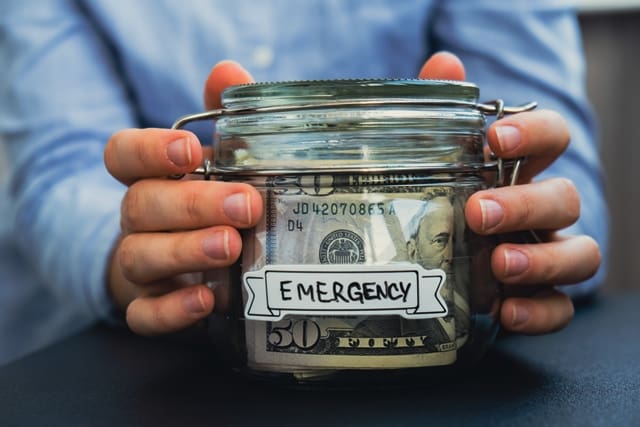
Building an emergency fund is one of the most important steps toward financial stability, yet many people are unsure how much they should actually save. Unexpected expenses like medical bills, home repairs, or job loss can quickly derail your finances if you are unprepared. Having a clear savings goal allows you to handle these situations with confidence rather than stress. In today’s uncertain economy, a well-funded emergency account is no longer optional—it is essential. This guide will break down how much you should save, how to get started, and how to maintain your financial safety net over time.
Why an Emergency Fund Matters
An emergency fund serves as your financial cushion when life throws unexpected challenges your way. Without one, you may be forced to rely on credit cards or loans, which can lead to long-term debt and financial strain. This type of savings provides peace of mind, allowing you to focus on solving the problem instead of worrying about money. It also helps you maintain your long-term financial goals, such as buying a home or investing, without interruption. Ultimately, an emergency fund gives you control over your finances instead of letting unexpected events control you.
How Much Should You Save

The general rule of thumb is to save three to six months’ worth of living expenses in your emergency fund. However, the exact amount depends on your lifestyle, job stability, and financial responsibilities. If you have a stable income and minimal expenses, three months may be sufficient, while those with variable income or dependents should aim closer to six months or more. It is important to calculate your essential monthly costs, including housing, utilities, food, and insurance, to determine your target number. Starting with a smaller goal, such as $1,000, can help you build momentum before working toward a fully funded emergency reserve.
Strategies to Build Your Emergency Fund
Saving a large amount of money can feel overwhelming, but breaking it into manageable steps makes it achievable. Start by setting a monthly savings goal and treating it like a non-negotiable bill. Automating transfers to a separate savings account can help you stay consistent and avoid the temptation to spend. Cutting back on non-essential expenses, even temporarily, can accelerate your progress significantly. Additionally, using windfalls like tax refunds, bonuses, or gifts can give your emergency fund a major boost.
Where to Keep Your Emergency Savings
Choosing the right place to store your emergency fund is just as important as building it. You want your money to be easily accessible in case of urgent need, but still earning some interest. High-yield savings accounts are a popular choice because they offer better returns than traditional accounts while maintaining liquidity. Avoid investing your emergency fund in stocks or volatile assets, as market fluctuations could reduce your funds when you need them most. Keeping your savings separate from your everyday spending account also helps prevent accidental use.
Maintaining and Growing Your Fund

Once your emergency fund is established, it is important to maintain and periodically reassess it. Life changes such as a new job, growing family, or increased expenses may require you to adjust your savings target. Make it a habit to review your fund at least once a year to ensure it still meets your needs. If you need to use the fund, prioritize rebuilding it as soon as possible. Consistency and discipline are key to keeping your financial safety net strong over time.
Conclusion
An emergency fund is a cornerstone of financial health, providing security, flexibility, and peace of mind during uncertain times. While the recommended savings amount may vary, the most important step is to start and remain consistent. By building and maintaining a dedicated fund, you protect yourself from unexpected financial setbacks and stay on track toward your larger goals. Whether you are saving for a home, planning investments, or simply seeking stability, an emergency fund is essential. Take action today to strengthen your financial future and gain confidence in your ability to handle whatever comes your way.
#EmergencyFund #FinancialPlanning #MoneyManagement #SaveMoney #PersonalFinance #WealthBuilding #FinancialSecurity #RealEstateTips #HomeBuying #SmartSaving