

Data centers have become an increasingly visible part of the modern real estate landscape as demand for cloud computing, artificial intelligence, streaming, and digital services continues to grow. For home buyers, purchasing a property near one of these large facilities can present both potential advantages and important concerns. A nearby data center may contribute to local employment, infrastructure investment, and economic growth, but it can also bring construction activity, increased traffic, noise, and questions about future development. The impact can vary significantly depending on the size of the facility, its location, surrounding zoning, and how close the home is to the property. Before buying a home near a data center, buyers should evaluate the property beyond its appearance and purchase price to understand how the facility could affect daily life and long-term property value.
Understand What a Data Center Is
A data center is a specialized facility that houses computer servers, networking equipment, storage systems, backup power systems, and extensive cooling infrastructure. Modern data centers can range from relatively small facilities to enormous campuses occupying hundreds of acres. Larger facilities may require substantial electrical infrastructure, backup generators, cooling equipment, security systems, and utility connections to operate continuously. While much of the computing activity happens indoors, the supporting infrastructure can be noticeable to nearby residents. Understanding the size, function, operating schedule, and planned expansion of a nearby data center is an important first step when evaluating a home purchase.
Consider the Potential Impact on Property Values
One of the biggest questions for home buyers is whether living near a data center could affect property values. There is no universal answer because the impact depends on factors such as distance, visibility, noise, traffic, surrounding development, local zoning, and buyer preferences. A data center located in an established industrial area may have a very different effect from one built immediately adjacent to a residential neighborhood. Economic investment and new infrastructure could potentially benefit an area, while undesirable industrial activity could make some homes less appealing to future buyers. If resale value is an important consideration, buyers should research comparable properties and examine how similar nearby developments have influenced the local real estate market.
Investigate Noise and Equipment
Noise is one of the most important issues to investigate before purchasing a home near a data center. Data centers often rely on cooling equipment, ventilation systems, transformers, backup generators, and other mechanical infrastructure that may produce continuous or intermittent sounds. Emergency generators may also be tested periodically, creating noise that residents may notice even when the facility is operating normally. Buyers should visit the property at different times of day and, when possible, listen from both inside and outside the home. A quiet house during a weekend showing may provide a very different experience from the same property during weekday operations or equipment testing.
Look at Traffic and Construction Plans
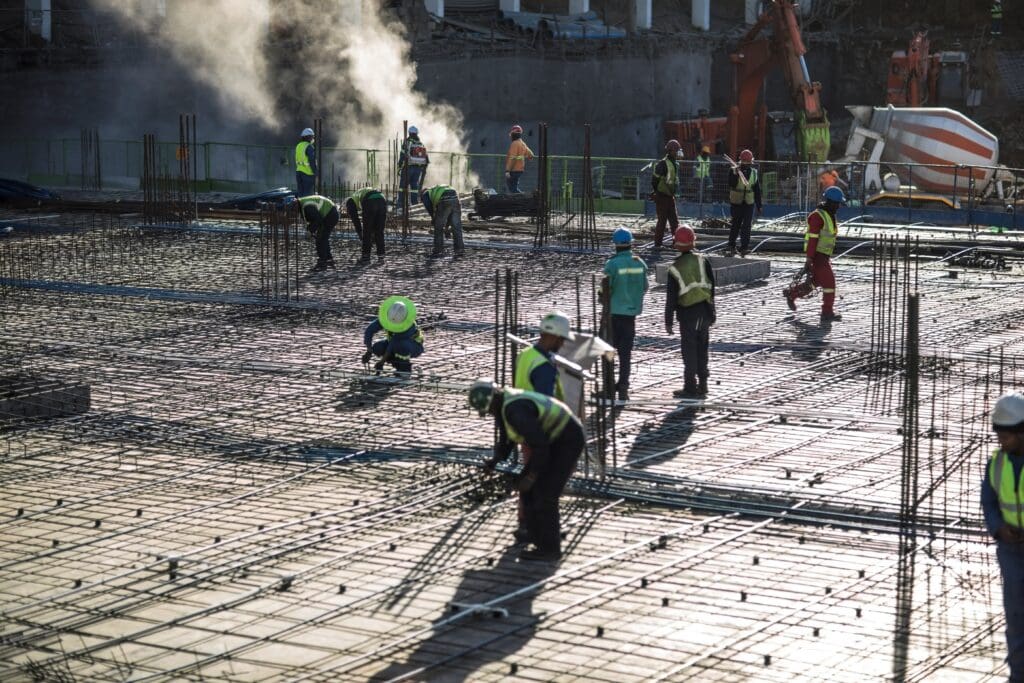
A large data center can generate significant construction traffic while the facility is being built or expanded. Depending on the project’s size, nearby residents could experience construction vehicles, road closures, utility work, increased worker traffic, and temporary changes to neighborhood access. Once the facility is operational, employee traffic may be less noticeable than construction activity, but service vehicles and ongoing maintenance operations can still affect surrounding roads. Buyers should investigate current development applications and planned expansions rather than focusing only on the data center that exists today. Understanding what could be built nearby in the next five, ten, or twenty years can provide a much clearer picture of the property’s long-term environment.
Research Electricity and Infrastructure
Data centers can require substantial amounts of electricity and supporting infrastructure, which may lead to new substations, transmission lines, utility upgrades, or other infrastructure projects. These improvements can sometimes benefit the broader community by increasing utility capacity and supporting economic development. However, new infrastructure may also change the visual character of an area or introduce equipment that homeowners did not anticipate when purchasing their properties. Buyers should review local planning documents and speak with utility providers when significant infrastructure projects are proposed near the neighborhood. Asking these questions before buying can help prevent an unexpected surprise after closing.
Examine Zoning and Future Development
Zoning information can be one of the most valuable resources for a buyer considering a home near a data center. A property that currently has an attractive view may be located near land that is zoned for commercial, industrial, utility, or large-scale development. Future zoning changes could potentially allow additional data centers, warehouses, substations, roads, or other infrastructure to be constructed nearby. Buyers should review municipal planning maps, zoning classifications, development applications, and comprehensive plans before making an offer. Knowing what can legally be developed around a property is often just as important as knowing what is there today.
Evaluate Environmental and Quality-of-Life Concerns
Home buyers should also investigate environmental and quality-of-life considerations associated with nearby industrial facilities. Depending on the facility and location, these considerations can include backup generators, fuel storage, water usage, cooling systems, lighting, stormwater management, and other operational requirements. Buyers should rely on official environmental records and local regulatory information rather than rumors or social media discussions when evaluating these issues. It is also wise to consider how comfortable you would be living near the facility if you planned to remain in the home for many years. A property that works financially may not be the right choice if its surrounding environment does not match your expectations for privacy, quiet, or neighborhood character.
Visit the Property More Than Once
Never make a decision about a home near a data center based on a single showing. Visit the neighborhood during the morning, afternoon, evening, and weekend if possible to experience different traffic patterns and noise levels. Pay attention to roadway congestion, lighting, equipment sounds, truck traffic, construction activity, and how the facility looks from the property. Talking with nearby homeowners can also provide useful insight into conditions that may not be obvious during a short real estate showing. Multiple visits can help you distinguish between temporary construction inconveniences and permanent characteristics of the neighborhood.
How Hiring a Real Estate Agent Can Help

Working with an experienced real estate agent can make the process of evaluating a home near a data center significantly easier. A knowledgeable agent can help buyers identify comparable properties, research neighborhood trends, review publicly available development information, and recognize potential factors that could influence future resale value. An agent familiar with the local market may also know whether additional industrial or residential development is planned nearby. They can help buyers ask better questions during inspections, negotiations, and due diligence without relying solely on the information provided in a listing. Most importantly, a real estate agent can help you evaluate the property as both a home and a long-term investment while keeping your personal priorities in focus.
Compare the Benefits With the Drawbacks
Buying near a data center is not automatically a bad real estate decision, because these facilities can bring meaningful economic activity to surrounding communities. New employment opportunities, infrastructure investment, tax revenue, and commercial development may strengthen an area’s economy over time. On the other hand, increased development, industrial activity, noise, traffic, and utility infrastructure may reduce the appeal of certain properties for some buyers. The right decision ultimately depends on the specific property, the distance from the facility, the characteristics of the data center, and your tolerance for potential changes. Buyers should compare the home’s price and benefits with both the current conditions and the possible long-term drawbacks before moving forward.
Conclusion
Buying a home near a data center requires more research than simply determining whether you like the house and neighborhood. Buyers should investigate noise, traffic, zoning, future development, utility infrastructure, environmental considerations, and potential effects on property values before making an offer. It is equally important to visit the property at different times and learn as much as possible about planned expansions or nearby projects. A data center could become a positive economic influence in one community while creating quality-of-life concerns in another. By conducting thorough due diligence and working with an experienced real estate professional, buyers can make a more informed decision about whether a home near a data center is the right fit for their lifestyle and long-term real estate goals.
#RealEstate #HomeBuying #DataCenters #RealEstateInvesting #HomeBuyers #PropertyValues #RealEstateTips #BuyingAHome #NeighborhoodResearch #RealEstateMarket

For a copy of our home buying process, please fill out the form on this page. The guide will be emailed immediately.
If you are looking for assistance in the metro Atlanta area, please reach out to us. We would love the opportunity to help you with your home purchase or sale.
If you are in another part of the country, we may be able to refer you to an agent in your market.
