
A freshly renovated home can be incredibly appealing to buyers, especially when it features new flooring, modern kitchens, updated bathrooms, and a clean, move-in-ready appearance. However, not every renovated property has received the same level of care behind the scenes as it has received on the surface. Some homes are purchased, renovated, and placed back on the market in a surprisingly short amount of time, creating the possibility that important repairs were rushed, skipped, or covered up. Learning how to tell if a home was flipped too quickly can help buyers distinguish between a thoughtfully renovated property and one that received a cosmetic makeover designed primarily for resale. Before falling in love with new cabinets and fresh paint, buyers should investigate the home’s renovation history, permits, workmanship, systems, and overall condition.
What Does It Mean When a Home Is Flipped Too Quickly?
A house flip typically involves purchasing a property, making improvements, and reselling it for a profit, and many legitimate investors complete this process professionally. The concern is not necessarily that a property has been flipped, but that the renovation may have been completed too quickly or without sufficient attention to underlying problems. A rushed house flip can involve cosmetic improvements that make a property look substantially newer while leaving electrical, plumbing, roofing, drainage, structural, or HVAC problems unresolved. In some cases, contractors may have worked under aggressive deadlines that resulted in shortcuts, poor installation, or inadequate finishing work. Buyers should therefore focus less on how new a house looks and more on whether the renovation appears to have been completed carefully and comprehensively.
Check the Property’s Recent Sales History
One of the easiest ways to investigate a potential flip is to examine the property’s recent sales history. If the home was purchased only a few months before being listed again at a significantly higher price, that can be a strong indication that it was flipped. A short ownership period does not automatically mean there is a problem, because experienced investors can complete high-quality renovations quickly when they have reliable contractors and a well-planned scope of work. However, a rapid resale should encourage buyers to investigate what work was actually performed during that period. Comparing previous listing photographs with current photographs can also reveal whether the renovation involved substantial improvements or primarily cosmetic changes.
Hire a Real Estate Agent to Help Evaluate a Flipped Home

Hiring a knowledgeable real estate agent can give buyers an important advantage when evaluating a recently renovated property. An experienced agent can help research the property’s sales history, compare previous listing information, identify unusual pricing changes, and ask the listing side informed questions about renovations. Agents can also help buyers understand market conditions and determine whether the property’s asking price makes sense compared with similar homes that have recently sold. Most importantly, a real estate agent can help coordinate inspections, review available disclosures, and guide buyers through the negotiation process when renovation concerns arise. While an agent cannot replace a qualified home inspector or specialized contractor, professional real estate guidance can help buyers ask better questions and make a more informed purchasing decision.
Look Closely at the Quality of the Renovations
New finishes can make almost any property look impressive during a showing, but buyers should examine the workmanship rather than simply admiring the design. Look for uneven flooring, inconsistent grout lines, crooked cabinets, gaps around trim, poorly installed doors, sloppy caulking, and paint overspray on fixtures or flooring. These details may seem minor, but several workmanship problems throughout the house can indicate that the renovation was completed under pressure. Buyers should also inspect areas that are less visible, including inside cabinets, around plumbing fixtures, behind appliances, and in unfinished portions of garages or basements. A quality renovation should generally show evidence of careful installation throughout the property, not just in the rooms photographed for the listing.
Pay Attention to New Paint and Flooring
Fresh paint and new flooring are among the most common ways flippers create a dramatic visual transformation without necessarily addressing expensive underlying issues. While these improvements can certainly add value, they can also make it more difficult for buyers to notice signs of previous damage. Fresh paint may cover water stains, cracks, smoke damage, or other evidence of past problems, while new flooring can conceal damaged subfloors or uneven surfaces. Walk through the home slowly and look for unusual transitions, soft spots, buckling, uneven areas, or suspiciously fresh finishes in locations where older problems might have existed. If the entire property appears brand new but the renovation timeline was extremely short, buyers should ask what was replaced and what was simply covered or refreshed.
Investigate Building Permits and Renovation Records
Permits can provide valuable clues about the scope and quality of renovations performed on a property. Depending on local requirements, significant electrical, plumbing, structural, mechanical, or other construction work may require permits and inspections. Buyers should ask whether permits were obtained for major renovations and determine whether available records match the work advertised in the listing. A home that appears to have undergone extensive renovations but has little documentation may deserve additional scrutiny. Local building departments, property records, or other municipal resources may help buyers determine whether permits were issued for recent improvements.
Examine the Electrical and Plumbing Systems
Cosmetic renovations can be relatively inexpensive compared with major electrical or plumbing upgrades, which is one reason these systems deserve special attention in a flipped home. Open electrical panels, exposed plumbing areas, accessible crawl spaces, attics, and mechanical rooms may provide clues about whether older systems were properly updated. Buyers should be cautious about unusual wiring, overloaded electrical panels, amateur-looking connections, inconsistent plumbing materials, leaks, or water pressure problems. Modern light fixtures and attractive faucets do not necessarily indicate that the home’s underlying systems are modern or properly installed. A professional home inspection can provide a much better assessment of these components than a visual walkthrough alone.
Check the Roof, HVAC System, and Major Components
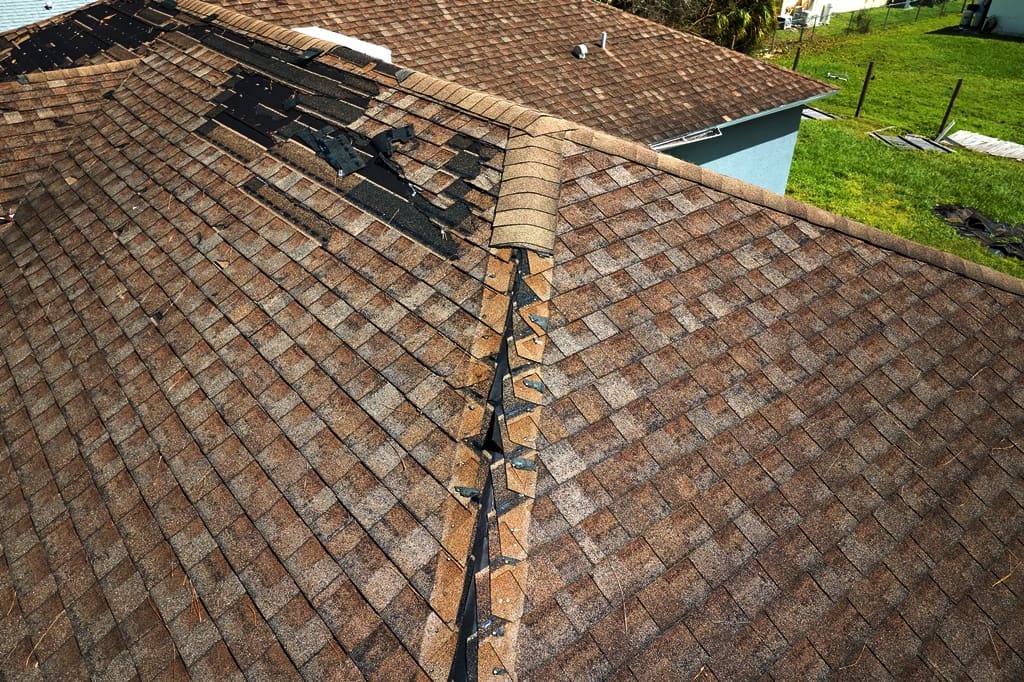
A home can have a beautiful kitchen and luxurious bathrooms while still containing aging major systems that could require expensive repairs. Ask about the age and condition of the roof, HVAC equipment, water heater, windows, appliances, foundation, and other significant components. Major systems are often excluded from home flipping due to expense. If a seller or listing indicates that the property was extensively renovated, determine whether these systems were actually replaced, repaired, or simply left in place. A quick flip can become expensive for a buyer when cosmetic improvements are new but critical infrastructure is nearing the end of its useful life. Documentation such as invoices, warranties, service records, and installation information can help verify claims about recent upgrades.
Look for Signs of Cosmetic Cover-Ups
A rushed flip may rely heavily on cosmetic improvements that make problems less obvious to prospective buyers. Strong air fresheners, excessive staging, strategically positioned furniture, new wall coverings, and fresh paint can sometimes distract attention from areas that deserve closer inspection. Buyers should not assume these tactics are evidence of wrongdoing, but they should pay attention when multiple elements seem designed to discourage detailed examination. Check behind furniture when possible, look beneath sinks, inspect ceilings and walls, and observe whether certain rooms or areas appear unusually different from the rest of the property. The goal is not to become suspicious of every renovation, but to make sure the property’s appearance is supported by evidence of quality work.
Compare the Listing Photos With Older Photos
Historical listing photographs can be one of the most useful tools for evaluating a recently renovated property. Older photographs may reveal the home’s original condition and help buyers determine exactly what changed during the flip. Look for evidence of previous water damage, outdated electrical fixtures, damaged flooring, wall cracks, roof deterioration, or other conditions that are no longer visible. Comparing before-and-after images can also help buyers determine whether the renovation was extensive or primarily cosmetic. If major visual changes occurred in only a few months, buyers should ask for documentation explaining how the work was completed and what contractors or professionals were involved.
Be Careful With Extremely Short Renovation Timelines
Speed itself is not necessarily a red flag, but an unusually compressed renovation timeline can justify additional questions. Professional investors may have crews that can renovate a property efficiently, particularly when the work is limited to predictable cosmetic improvements. Problems arise when a property appears to have undergone major structural, mechanical, electrical, plumbing, and cosmetic renovations in an implausibly short period. Buyers should consider whether enough time appears to have been available for proper inspections, permitting, construction, curing, testing, and final quality control. If the timeline seems aggressive, ask for a detailed renovation history and supporting documentation rather than relying solely on the finished appearance.
Ask Questions About Who Completed the Work
Understanding who performed the renovations can provide additional insight into the quality of a flipped property. Buyers can ask the seller or listing representative which contractors completed major projects and whether receipts, warranties, permits, and other documentation are available. Professional renovation work should ideally leave a paper trail that helps establish what was completed and when. Be particularly cautious when major improvements are described vaguely, such as simply saying that the property was “fully renovated” without explaining what that means. A detailed renovation record can give buyers much greater confidence than a marketing description filled with words such as “updated,” “modernized,” or “like new.”
Don’t Skip the Home Inspection

A home inspection is especially valuable when purchasing a recently renovated property because new finishes can make defects more difficult for an untrained buyer to recognize. Buyers should hire a qualified inspector and encourage a thorough evaluation of accessible structural, electrical, plumbing, HVAC, roofing, drainage, and other components. An inspection is not a guarantee that every hidden defect will be discovered, but it can identify many issues that are easy to overlook during a showing. Buyers may also want specialized inspections when the property presents potential concerns involving the foundation, sewer line, chimney, roof, mold, pests, or other specific systems. Spending money on appropriate inspections before closing can be far less expensive than discovering significant defects after taking ownership.
Understand That a Fast Flip Is Not Automatically a Bad Home
It is important for buyers to avoid assuming that every quickly flipped house is poorly renovated. Some investors have experienced renovation teams, strong project management systems, and the resources necessary to complete high-quality work efficiently. The real issue is whether the speed of the renovation appears consistent with the scope of work and whether the finished property has been properly documented and inspected. Buyers should evaluate the evidence rather than making a decision based solely on the property’s resale timeline. A fast flip with excellent workmanship, appropriate permits, professional inspections, and reliable documentation may be a better purchase than a slower renovation with hidden problems.
Watch for the Biggest Red Flags Before Making an Offer
Several warning signs together should encourage a buyer to slow down before making an offer on a flipped property. These may include a very short ownership period, a dramatic price increase, missing renovation documentation, questionable workmanship, unexplained fresh finishes, outdated major systems, missing permits, and reluctance to provide information about the renovation. One red flag does not necessarily mean a property is defective, but multiple concerns deserve serious attention. Buyers should resist the temptation to overlook problems simply because the kitchen is beautiful or the house photographs exceptionally well online. Taking additional time to consult your real estate agent and to investigate the property can help prevent an attractive flip from becoming an expensive ownership headache.
Conclusion: Look Beyond the Fresh Paint
Knowing how to tell if a home was flipped too quickly can help buyers look beyond attractive finishes and evaluate the property more objectively. A successful renovation should involve more than new paint, trendy fixtures, updated flooring, and stylish countertops because the home’s underlying systems and structural components matter just as much. Buyers should investigate the property’s sales history, renovation timeline, permits, workmanship, major systems, and available documentation before committing to a purchase. Professional inspections and guidance from an experienced real estate agent can provide additional protection when a property’s renovation history raises questions. Ultimately, the goal is not to avoid every flipped home, but to identify whether the renovation represents genuine value or simply a polished appearance hiding problems underneath.
#RealEstate #HomeBuying #HouseFlipping #FlippedHomes #HomeInspection #RealEstateTips #HomeBuyerTips #PropertyInvestment #HomeRenovation #RealEstateInvesting