
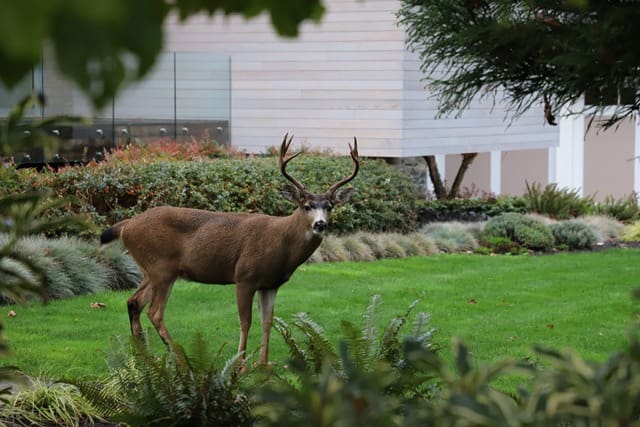
Wildlife can be an enjoyable part of living near wooded areas, parks, lakes, and other natural spaces, but animals can also create unexpected challenges for homeowners. From squirrels and raccoons entering attics to deer damaging landscaping, wildlife can affect your property in ways that range from inconvenient to expensive. Understanding common wildlife problems can help homeowners identify risks before they become significant property damage. It can also help you make informed decisions about landscaping, home maintenance, and preventative measures. Whether you are buying, selling, or maintaining a home, knowing how wildlife can impact your property is an important part of responsible homeownership.
Common Wildlife Problems Around Homes
Many types of wildlife can find residential properties attractive because homes provide food, water, shelter, and protection from predators. Squirrels, raccoons, opossums, bats, birds, rodents, and other animals may enter attics, crawl spaces, garages, chimneys, or sheds in search of a safe place to live. Some animals can damage insulation, wiring, roofing materials, siding, vents, and other parts of the home while creating nests or searching for food. Wildlife may also leave droppings, odors, parasites, and other signs that can make an area unpleasant or potentially hazardous. Regularly inspecting vulnerable areas of your property can help you recognize wildlife activity before it causes extensive damage.
Wildlife Damage to Your Home
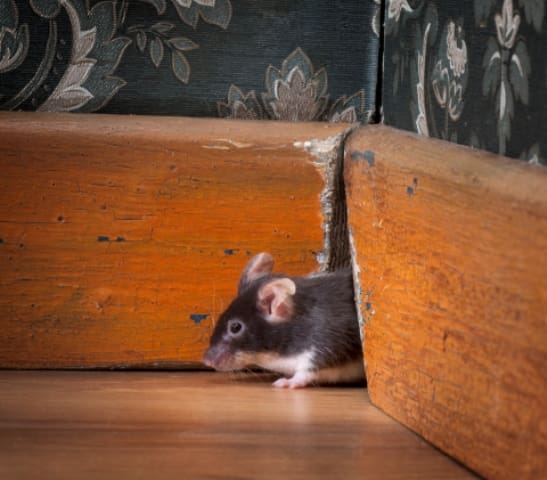
Wildlife can cause surprisingly costly damage when animals gain access to a house. Rodents and squirrels may chew electrical wiring, while raccoons can tear through roofing materials or damage vents to reach an attic. Birds may build nests inside chimneys, vents, gutters, or other openings, potentially restricting airflow or creating maintenance concerns. Animals that live inside walls or ceilings can also create scratching, nesting, and movement noises that may indicate an infestation. Addressing entry points quickly can help reduce the possibility of larger repair bills and protect important components of your home.
How Wildlife Can Affect Landscaping
Your landscaping can also become a target for wildlife, particularly when your property contains plants, fruit trees, gardens, bird feeders, or accessible water sources. Deer can browse on shrubs and flowers, while rabbits and other animals may damage vegetable gardens and young plants. Certain wildlife may dig through mulch, disturb flower beds, or create burrows around foundations and retaining walls. Fallen fruit and unsecured garbage can attract animals and encourage them to return regularly. Choosing wildlife-resistant plants, securing outdoor food sources, and maintaining your yard can help minimize unwanted wildlife activity.
Wildlife and Property Safety Concerns
Wildlife encounters can sometimes create safety concerns for homeowners, pets, and children. Animals that feel threatened may become defensive, particularly when they are protecting nests, young animals, or food sources. Wildlife can also carry parasites or diseases, making it important to avoid direct contact with unfamiliar or aggressive animals. Homeowners should never assume that an animal found inside a house will simply leave on its own because frightened animals may behave unpredictably. If wildlife has entered your home or appears injured, aggressive, or unusually active, contacting an appropriate wildlife professional is generally safer than attempting to handle the animal yourself.
Signs That Wildlife May Be Living on Your Property
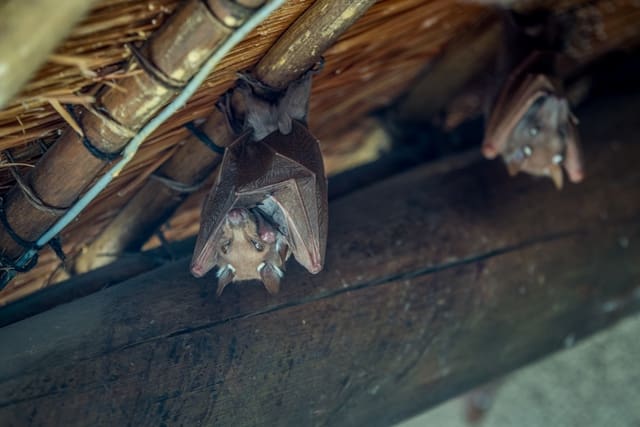
Recognizing the warning signs of wildlife activity can help homeowners address problems before they become severe. Scratching sounds in walls or ceilings, unusual odors, damaged screens, torn vents, droppings, nesting materials, and unexplained holes can all indicate that an animal has found a way onto the property. Homeowners may also notice disturbed mulch, damaged plants, tracks, chewed materials, or recurring activity around garbage cans and outdoor structures. Seasonal changes can make wildlife activity more noticeable because animals may seek warmer shelter during colder months or nesting locations during spring and summer. Investigating these signs promptly can help identify potential entry points and prevent additional damage.
Preventing Wildlife From Entering Your Home
Wildlife prevention begins with making your property less attractive and less accessible to animals. Inspect the roof, soffits, vents, chimney, foundation, crawl spaces, doors, and windows for openings that could provide access. Damaged screens and loose vents should be repaired, while appropriate barriers can be used to protect vulnerable openings. Homeowners should also keep garbage containers securely closed, avoid leaving pet food outdoors, and clean up fallen fruit from trees. Preventative maintenance is often less expensive and less disruptive than repairing extensive wildlife damage after an infestation has developed.
How Wildlife Can Affect Property Value
Wildlife problems can potentially influence a property’s condition, marketability, and perceived value, particularly when animals have caused visible or structural damage. Buyers may become concerned when they discover damaged insulation, chewed wiring, roof openings, animal odors, or evidence of an infestation during a home inspection. Even when the underlying problem has been resolved, sellers may need documentation showing that repairs and wildlife removal were completed properly. A well-maintained property with preventative measures in place can provide greater confidence to prospective buyers. Addressing wildlife-related problems before listing a home can therefore be an important part of preparing a property for the real estate market.
Wildlife Considerations for Home Buyers
Home buyers should pay attention to wildlife-related conditions when evaluating a property, especially when purchasing a home near wooded areas, lakes, parks, open land, or other natural habitats. During a showing, buyers can look for damaged vents, gaps around the roofline, droppings, nests, damaged landscaping, or signs of animals around exterior structures. A professional home inspection can provide additional insight into potential maintenance and repair concerns. Buyers should also consider whether the property’s landscaping, garbage storage, drainage, and exterior construction could encourage wildlife activity. Understanding these factors before purchasing can help buyers budget for preventative maintenance and make more informed decisions.
When to Address Wildlife Problems Before Selling
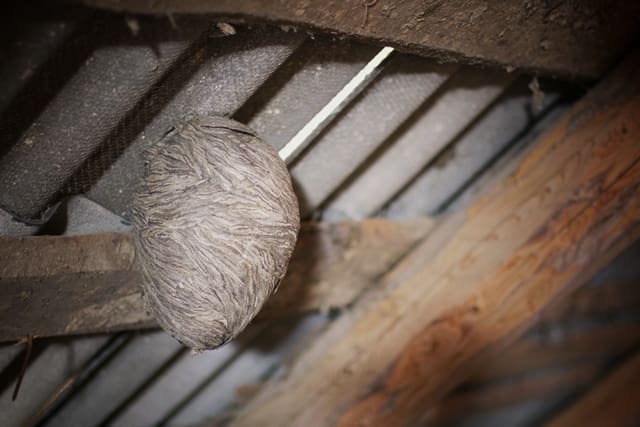
Homeowners planning to sell should consider addressing known wildlife problems before listing the property. Visible damage, persistent odors, damaged landscaping, or evidence of animals inside the home can distract buyers from the property’s positive features and potentially lead to difficult negotiations. Resolving problems early also gives homeowners time to obtain professional documentation, complete repairs, and maintain records that may be useful during the transaction. Sellers should avoid simply concealing evidence because problems discovered during an inspection can create additional questions and delays. There could also be safety concerns when the home is being toured or inspected. A proactive approach can make the property easier to market and give prospective buyers greater confidence in its condition.
Protecting Your Property From Wildlife Damage
Protecting your property from wildlife requires a combination of routine maintenance, smart landscaping, and early intervention. Homeowners should regularly inspect exterior openings, trim vegetation away from the house, maintain roofing and siding, and keep outdoor food sources secured. Motion-activated lighting, appropriate fencing, secure trash storage, and wildlife-resistant landscaping may also help discourage unwanted visitors. It is important to use humane and legally appropriate wildlife-management practices because regulations and recommended methods can vary by location and species. Consistent prevention can reduce the likelihood that wildlife will turn a minor property concern into a major repair project.
Conclusion: Managing Wildlife and Protecting Your Home
Wildlife can add natural beauty to a neighborhood, but it can also affect a property’s maintenance needs, landscaping, safety, and marketability. Homeowners who understand common wildlife behaviors can take practical steps to reduce access and prevent unnecessary damage. Buyers should consider wildlife activity when evaluating a home’s condition, while sellers can benefit from resolving known problems before listing their property. Regular inspections, preventative maintenance, and professional assistance when necessary can help protect both the home and its long-term value. By taking wildlife concerns seriously and addressing them early, homeowners can enjoy their property’s natural surroundings while reducing the risks that wildlife can create.
#WildlifeAndHomes #PropertyMaintenance #Homeownership #RealEstateTips #HomeValue #HomeMaintenance #WildlifeDamage #PropertyProtection #HomeSellingTips #HomeBuyingTips
