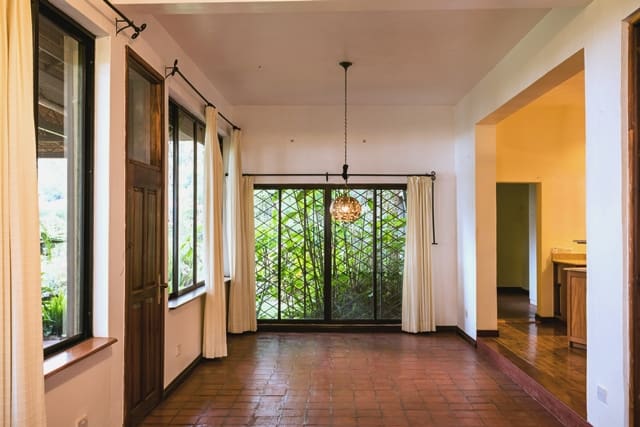
When homeowners prepare to sell, it may seem logical that removing furniture will make a home look larger. However, an empty house can actually feel smaller, colder, and less inviting to potential buyers. Without furniture and décor, buyers may have difficulty understanding the scale and purpose of each room. Strategic home staging provides visual reference points that help buyers imagine how they could use the space. Understanding why empty homes feel smaller than furnished ones can help sellers and real estate professionals create more appealing listings that attract attention and encourage stronger buyer interest.
Furniture Helps Define the Size of a Room
Furniture gives buyers important visual clues about a home’s dimensions. A properly sized sofa, dining table, bed, or area rug establishes scale and helps the eye understand how much usable space is available. When a room is completely empty, buyers may struggle to determine whether their furniture will fit comfortably or whether the space is smaller than expected. Furnishings create reference points that make room proportions easier to understand. As a result, a thoughtfully furnished home can actually appear more spacious and functional than an identical empty property.
Empty Rooms Can Feel Cold and Uninviting
An unfurnished home often lacks the warmth and personality that make buyers feel emotionally connected to a property. Bare floors, vacant walls, and completely open rooms can create an echoing, unfinished atmosphere during a showing. Buyers may focus more on what is missing instead of noticing the home’s best features. Furnished rooms provide texture, color, and visual interest that can make a property feel comfortable and welcoming. Creating an inviting atmosphere is particularly important because buyers often make emotional judgments about a home before they begin analyzing its practical features.
Staging Shows Buyers How to Use the Space
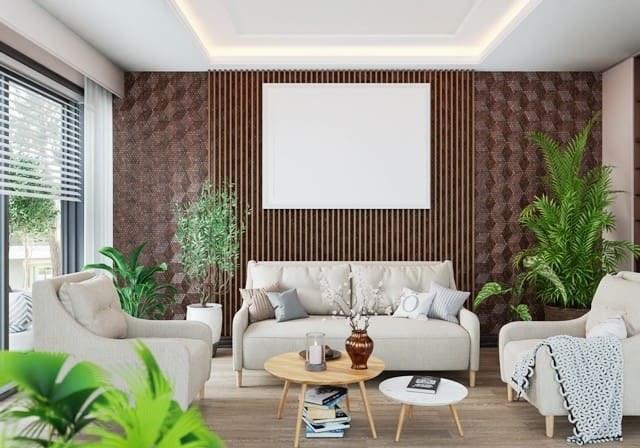
One of the biggest advantages of home staging is that it demonstrates the purpose of each room. An empty room may leave buyers wondering whether it should be used as a bedroom, office, sitting area, playroom, or additional living space. Properly selected furniture removes that uncertainty by showing a clear and practical function. Staging can also demonstrate that multiple furniture arrangements are possible without overcrowding the room. When buyers can easily visualize themselves living in the property, they may be more likely to remember it positively after the showing.
Strategic Furniture Placement Can Make Rooms Look Larger
The goal of staging is not to fill every available space with furniture. In fact, too much furniture can make a home feel cramped and difficult to navigate. Professional staging focuses on selecting appropriately scaled pieces and positioning them to create clear pathways and emphasize desirable architectural features. Leaving enough open space around furniture allows rooms to breathe while still giving buyers helpful visual references. Strategic furniture placement can therefore create a stronger sense of spaciousness than simply removing everything from a room.
Area Rugs and Accessories Create Visual Boundaries
Large open rooms can sometimes feel surprisingly small when they are completely empty because there are no visual boundaries defining different areas. Area rugs, seating arrangements, lighting, artwork, and carefully selected accessories can establish distinct zones within a larger space. A rug beneath a seating group can visually identify a living area, while a dining table can demonstrate where meals and entertaining could take place. These design elements give buyers a better understanding of how the room functions. When used thoughtfully, they can make a property feel organized, spacious, and purposeful rather than vacant.
Empty Homes Can Distort Buyers’ Perception of Scale
People do not always estimate room dimensions accurately when there are no objects available for comparison. An empty bedroom, for example, may look surprisingly narrow because buyers have no bed, nightstand, or dresser to provide a familiar sense of scale. Conversely, a furnished bedroom immediately communicates how much space is available around a typical bed. This visual context can make it easier for buyers to understand the actual proportions of the room. Staging is especially valuable in photographs and virtual listings, where buyers often make their first impressions before visiting the property.
Hiring a Real Estate Agent Can Improve Your Staging Strategy
Hiring an experienced real estate agent can help homeowners determine whether staging is appropriate and which improvements are likely to provide the greatest marketing benefit. A knowledgeable agent can evaluate the property from a buyer’s perspective and identify rooms that may benefit from furniture, updated décor, or selective decluttering. Agents can also recommend reputable staging professionals, photographers, and other vendors when specialized assistance is needed. Their understanding of local buyer preferences and current real estate trends can help sellers avoid spending money on unnecessary improvements. By combining market knowledge with an effective marketing strategy, a real estate agent can help position a home to make a stronger impression on potential buyers.
Professional Photography Benefits From Furnished Spaces
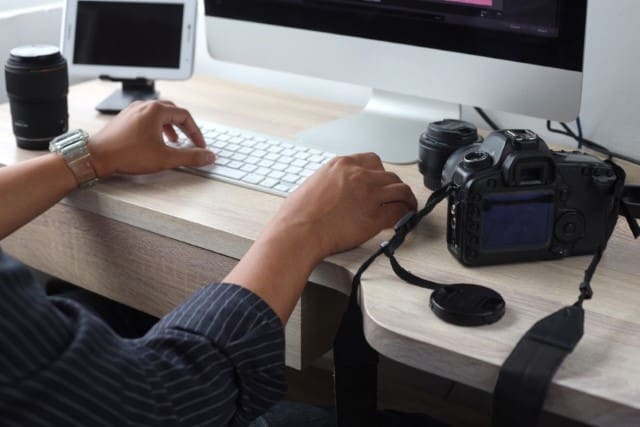
Furniture and staging can also improve real estate photography by creating stronger visual compositions. Empty rooms may photograph as large blank areas with little depth, character, or focal interest. Furnishings provide lines, layers, textures, and points of focus that can make listing photos more engaging. Because online buyers often scroll through dozens of property listings, visually appealing photographs can help a home stand out. Combining effective staging with professional real estate photography can give sellers a significant marketing advantage in a competitive market.
Not Every Room Needs Full-Scale Staging
Sellers do not necessarily need to completely furnish every room to make a home feel larger and more appealing. In some cases, staging only the most important living areas can provide a strong visual impact while controlling costs. The living room, kitchen, primary bedroom, and dining area are often useful spaces to prioritize because buyers frequently use them to imagine daily life in the property. Smaller rooms can sometimes benefit from minimal furnishings that communicate their purpose without making them feel crowded. A targeted staging strategy can create the appearance of a cohesive, functional home without unnecessary expense.
Virtual Staging Can Help Empty Homes Stand Out Online
Virtual staging offers another option for homeowners selling vacant properties. Digital furniture can be added to listing photographs to demonstrate how rooms might look when furnished. While virtual staging should accurately represent the property’s dimensions and clearly comply with applicable listing requirements, it can help online buyers understand an unfamiliar space. It is particularly useful when a vacant home has attractive architecture but lacks visual warmth in photographs. Sellers and agents should consider combining virtual staging with accurate descriptions so buyers understand what they are actually seeing.
Make Empty Homes Feel Larger With Smart Staging
The perception of space is influenced by much more than square footage. Furniture provides scale, defines room functions, creates visual boundaries, and gives buyers a clearer understanding of how they can use the property. An empty home may technically contain the same amount of space as a furnished home, but it can feel smaller because buyers have fewer visual cues to interpret that space. Strategic staging can make rooms feel more balanced, functional, comfortable, and memorable. For homeowners preparing to sell, understanding the psychology behind furnished versus empty spaces can turn staging from an optional decoration into an important real estate marketing strategy.
Conclusion
Empty homes can feel smaller than furnished ones because buyers rely on visual reference points to understand scale, proportion, and functionality. Carefully selected furniture helps demonstrate how rooms can be used while creating warmth and visual structure throughout the property. Staging can also strengthen listing photography and help potential buyers form a more positive first impression online. Homeowners who are unsure whether staging is worthwhile can work with a real estate professional to develop a strategy based on the property’s layout, target buyers, and local market conditions. By presenting a home in a way that makes its space easy to understand and imagine, sellers can create a more compelling property marketing experience.
#RealEstate #HomeStaging #RealEstateMarketing #HomeSellingTips #RealEstateTips #StagedHomes #SellingAHome #HomeValue #RealEstatePhotography #PropertyMarketing
Expert Assistance:
To reach out to Richard for expert assistance in the Decatur & Atlanta markets, reach out here.
You can also ask Richard for a copy of his contribution to the best-selling book Top Dollar – by completing the form linked here.