
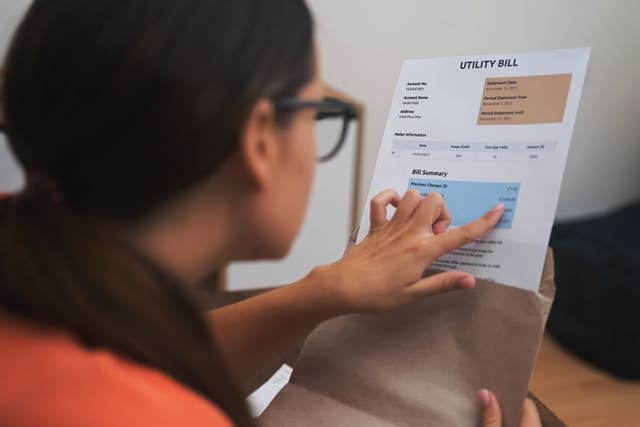
When searching for a home, it is easy to focus on the purchase price, mortgage payment, property taxes, and homeowners insurance. However, there is another important expense that buyers sometimes overlook: monthly utility bills. Electricity, natural gas, water, sewer, trash collection, and internet service can add hundreds of dollars to the cost of owning a home each month. These expenses can vary significantly depending on the property’s size, age, construction, location, and energy efficiency. A home that initially appears affordable may become more expensive to maintain once recurring utility costs are included in the household budget. Understanding these expenses before making an offer can help buyers make more informed decisions and avoid unexpected financial pressure after moving in.
Understand the True Monthly Cost of Homeownership
One of the biggest mistakes buyers can make is evaluating a home based solely on its mortgage payment. The actual cost of homeownership includes several recurring expenses that can substantially affect a household’s finances. Utility bills should be included alongside property taxes, insurance, maintenance, and other monthly obligations when determining affordability. For example, two homes with similar purchase prices and mortgage payments may have very different operating costs because of differences in insulation, heating systems, square footage, and water usage. Buyers who calculate these expenses before purchasing can develop a more realistic monthly budget and determine whether a particular property fits their financial goals. Looking at the complete cost of ownership rather than the asking price alone can prevent unpleasant surprises after closing.
Request Previous Utility Bills Before Making an Offer
One of the simplest ways to understand a home’s ongoing expenses is to request copies of previous utility bills from the seller. Reviewing 12 months of statements, when available, can provide a clearer picture of seasonal variations in electricity, gas, water, and other services. Heating costs may increase during colder months, while air conditioning can significantly raise electricity bills during the summer. Buyers should ask whether the reported amounts reflect typical occupancy because a previous owner who traveled frequently or maintained a different thermostat setting may have had unusually low expenses. A real estate agent can help buyers request this information from the seller and identify questions that deserve clarification before moving forward. Although past bills cannot guarantee future costs, they offer valuable insight into what living in the property may actually cost.
Evaluate the Home’s Energy Efficiency

Energy efficiency plays a major role in determining how much homeowners spend on electricity and heating throughout the year. Features such as insulated walls, energy-efficient windows, sealed doors, modern appliances, and properly maintained HVAC systems can help reduce unnecessary energy consumption. Older homes may have outdated insulation, drafty windows, or inefficient heating and cooling equipment that increases monthly expenses. Buyers should also pay attention to the home’s energy rating or any available energy audit, which may reveal opportunities for improvement. A real estate agent can help identify features worth investigating and recommend that buyers consult qualified professionals when energy efficiency concerns arise. Evaluating these details before purchasing can help buyers estimate whether a property will require additional investments to improve comfort and reduce operating costs.
Consider the Age and Condition of Heating and Cooling Systems
Heating and cooling systems are among the largest contributors to residential energy consumption, making their age and condition important considerations during a home search. An older HVAC system may operate less efficiently than a newer model, potentially resulting in higher electricity or natural gas bills. Buyers should ask about the system’s installation date, maintenance history, recent repairs, and overall performance. A professional home inspector or qualified HVAC technician can evaluate the equipment and identify potential concerns that may not be obvious during a showing. An experienced real estate agent can help buyers understand the importance of investigating major systems and coordinate questions or inspection requests during the transaction. If an aging system needs replacement shortly after closing, the additional expense could significantly affect the buyer’s financial plans.
Pay Attention to Water Usage and Plumbing Efficiency
Water bills are another important expense that should not be overlooked when comparing potential homes. Properties with large lawns, swimming pools, irrigation systems, multiple bathrooms, or older plumbing fixtures may have higher water consumption than buyers initially expect. Leaking faucets, running toilets, outdated toilets, and inefficient showerheads can also contribute to unnecessary expenses over time. Buyers should ask about average water and sewer charges and determine whether irrigation or outdoor water usage is included in the reported amounts. During the inspection process, a qualified professional can identify plumbing problems, visible leaks, and other conditions that may increase water costs. Understanding the property’s water usage can help buyers distinguish between normal household expenses and potential problems that may require attention.
Investigate Heating Fuel and Utility Service Options
Not every home uses the same combination of utility services, and those differences can affect monthly expenses. Some properties rely on natural gas for heating, cooking, and water heating, while others use electricity, propane, or heating oil. Buyers should determine which services are available, whether the property has access to public utilities, and whether any systems require separate fuel deliveries or maintenance. Rural properties may also rely on private wells and septic systems instead of municipal water and sewer services, introducing different maintenance responsibilities and potential expenses. A real estate agent familiar with the local market can help buyers understand which utility arrangements are common in an area and identify questions to ask about service availability. Comparing these options before purchasing can help buyers avoid overlooking costs associated with a property’s location or infrastructure.
Consider How Home Size and Layout Affect Utility Costs
A home’s square footage can have a significant impact on monthly utility expenses, but size is not the only factor that matters. Larger properties generally require more energy to heat, cool, and illuminate, particularly when they have high ceilings, multiple stories, or expansive windows. An open floor plan may also create different heating and cooling demands than a home with smaller, separated rooms. Buyers should consider whether they genuinely need all the space they are purchasing and whether the property’s layout supports efficient temperature control. A real estate agent can help buyers compare homes with similar features and point out differences that may influence long-term ownership costs. Choosing a home that meets household needs without excessive unused space may provide opportunities to keep utility expenses more manageable.
Research Utility Costs in the Neighborhood
Utility expenses can vary from one community to another, even when homes have similar characteristics. Local electricity providers, natural gas rates, water authorities, sewer charges, and municipal service fees can all influence monthly household expenses. Some neighborhoods may also have additional costs for services such as private trash collection, community irrigation, or other shared infrastructure. Buyers should research the providers serving a property and ask about available rate plans, service fees, and connection charges. An experienced real estate agent who understands the local market can help buyers identify which utility providers serve particular neighborhoods and where additional information may be available. Comparing these expenses across different communities can reveal meaningful differences that may influence the final home-buying decision.
Look for Features That Can Lower Monthly Utility Bills

Certain home features can help reduce utility expenses and make everyday living more affordable. Programmable or smart thermostats, LED lighting, Energy Star appliances, efficient water heaters, and well-insulated attics can contribute to lower energy consumption. Solar panels may also reduce electricity expenses, although buyers should investigate ownership arrangements, financing agreements, maintenance requirements, and potential roof considerations before assigning value to them. Landscaping can make a difference as well, particularly when native plants and efficient irrigation systems reduce outdoor water requirements. Buyers should evaluate these features as part of the property’s overall condition rather than assuming that newer construction automatically guarantees lower utility bills. Identifying cost-saving improvements can help buyers recognize homes that offer long-term financial advantages beyond their initial purchase price.
Include Utility Expenses in Your Home-Buying Budget
Once buyers have gathered information about utility costs, the next step is incorporating those expenses into a realistic monthly budget. Start by estimating electricity, natural gas, water, sewer, trash, internet, and any other recurring services required for the property. Consider seasonal increases rather than relying exclusively on an average monthly amount, since winter heating and summer cooling can create significant fluctuations. It is also wise to leave room in the budget for future rate increases, equipment maintenance, and unexpected repairs that could affect household expenses. A real estate agent can help buyers compare the financial considerations of different properties and guide them through decisions when one home offers a lower purchase price but higher estimated operating costs. This broader financial perspective makes it easier to select a property that remains comfortable and affordable over the long term.
Why an Experienced Real Estate Agent Matters When Comparing Home Expenses
Evaluating utility bills and long-term operating expenses requires more than simply reviewing a few monthly statements. An experienced real estate agent understands that affordability extends beyond the mortgage payment and can help buyers ask the right questions before committing to a property. Agents familiar with the local market may recognize differences in utility providers, common construction practices, neighborhood infrastructure, and features that influence household expenses. They can also help buyers identify potential concerns that deserve further investigation, such as aging HVAC equipment, outdated windows, or unusually high reported utility costs. While agents do not replace home inspectors, energy auditors, or utility professionals, they can coordinate important conversations and help buyers understand when additional expertise is needed. Having professional representation throughout the transaction can make it easier to evaluate competing properties, negotiate when appropriate, and avoid overlooking expenses that could affect the enjoyment and affordability of a new home.
Make Utility Bills Part of Every Home Comparison
Comparing utility expenses across multiple properties can help buyers make decisions based on more than appearance, square footage, or asking price. Consider creating a simple comparison that includes estimated monthly electricity, gas, water, sewer, trash, and other recurring service costs for each home. Add information about insulation, windows, appliances, HVAC equipment, and other energy-related features to identify which properties may be more economical to operate. If utility information is unavailable, ask the seller for historical statements or contact the appropriate service providers to understand typical costs in the area. Your real estate agent can help organize these questions and evaluate how the information fits into the overall purchase decision. A thoughtful comparison makes it easier to recognize the difference between a home that is inexpensive to purchase and one that is genuinely affordable to own.
Make a Smarter Home-Buying Decision by Looking at the Full Picture
Buying a home is one of the largest financial decisions most people will make, so understanding the complete cost of ownership is essential. Utility bills may seem like relatively small expenses compared with a mortgage, but they can add up considerably over months and years. Reviewing historical bills, evaluating energy efficiency, checking major systems, and researching local utility providers can help buyers avoid unexpected financial burdens. These steps also provide a better understanding of how a home’s construction, size, and features may affect everyday living expenses. Working with an experienced real estate agent can help buyers ask better questions, investigate potential concerns, and compare properties with greater confidence. By making utility bills part of the home search from the beginning, buyers can choose a property that supports both their lifestyle and their long-term financial goals.
#RealEstateTips #HomeBuyingTips #HomeSearch #UtilityBills #CostOfHomeownership #HomeBuyingBudget #EnergyEfficiency #EnergyEfficientHomes #HomeownershipCosts #RealEstateAdvice #FirstTimeHomebuyers #SmartHomeBuying #HomeInspection #MonthlyExpenses #BuyingAHome

For a copy of our home buying process, please fill out the form on this page. The guide will be emailed immediately.
If you are looking for assistance in the metro Atlanta area, please reach out to us. We would love the opportunity to help you with your home purchase or sale.
If you are in another part of the country, we may be able to refer you to an agent in your market.
